The same castle, abbey or country house can be a peaceful hour or a shuffling queue depending entirely on when you arrive. Heritage sites concentrate their visitors into predictable windows, and shifting a visit by two hours or four weeks changes the experience more than anything else within your control.
What is the quietest time of day?
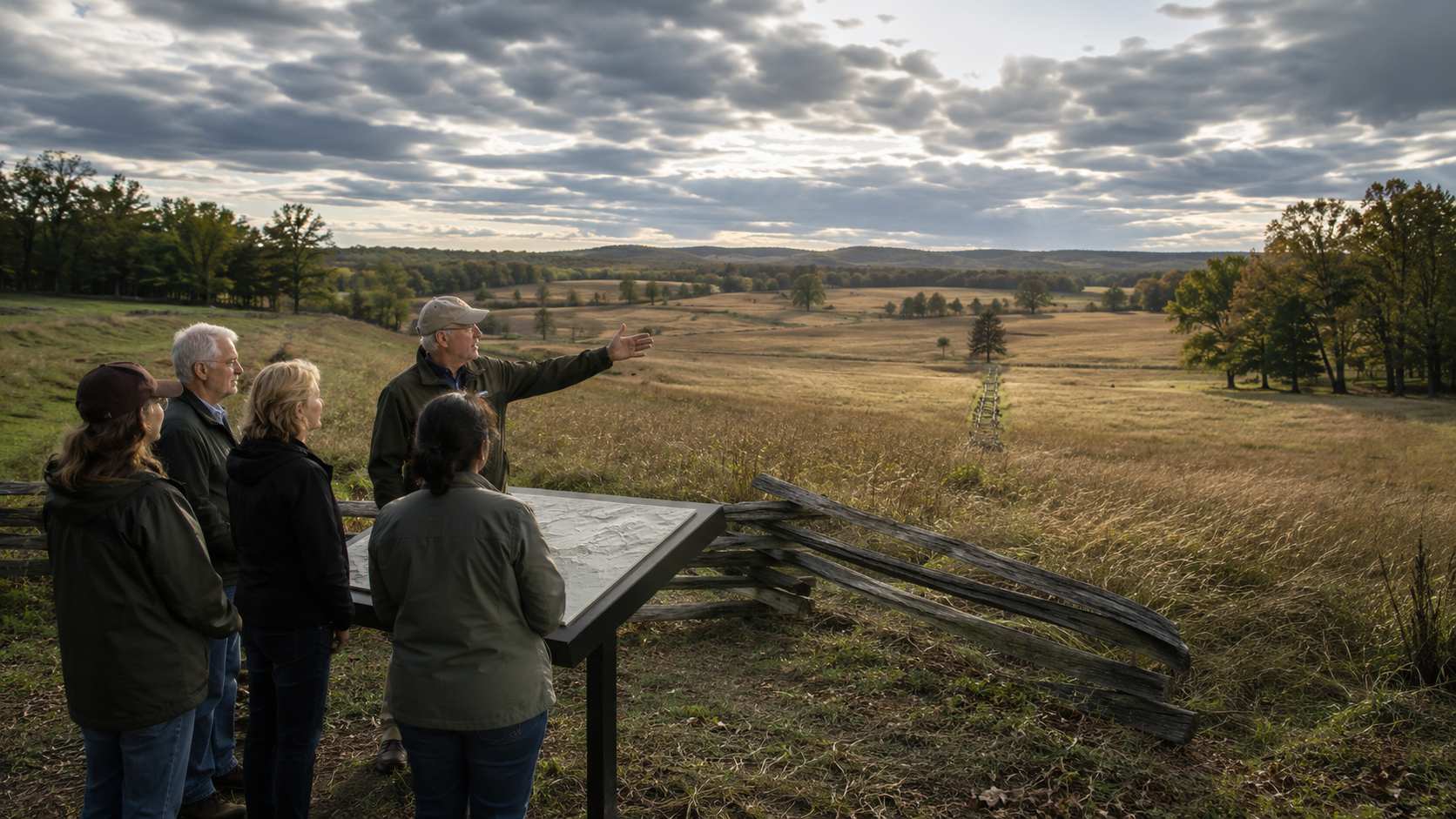
The first hour after opening and the last hour before closing. Coach parties and day visitors arrive from mid morning and leave by mid afternoon, so the ends of the day belong to whoever turns up.
The last hour has an additional advantage at ruins and gardens, since low afternoon light is considerably better for photographs than midday sun.
Which days are busiest?
Weekends and school holidays, with bank holiday Mondays the peak. A Tuesday or Wednesday outside the holidays can be almost empty at a site that queues on a Saturday.
Wet days are quieter at outdoor sites and busier at indoor ones, which is worth using in both directions.
Which months are best?
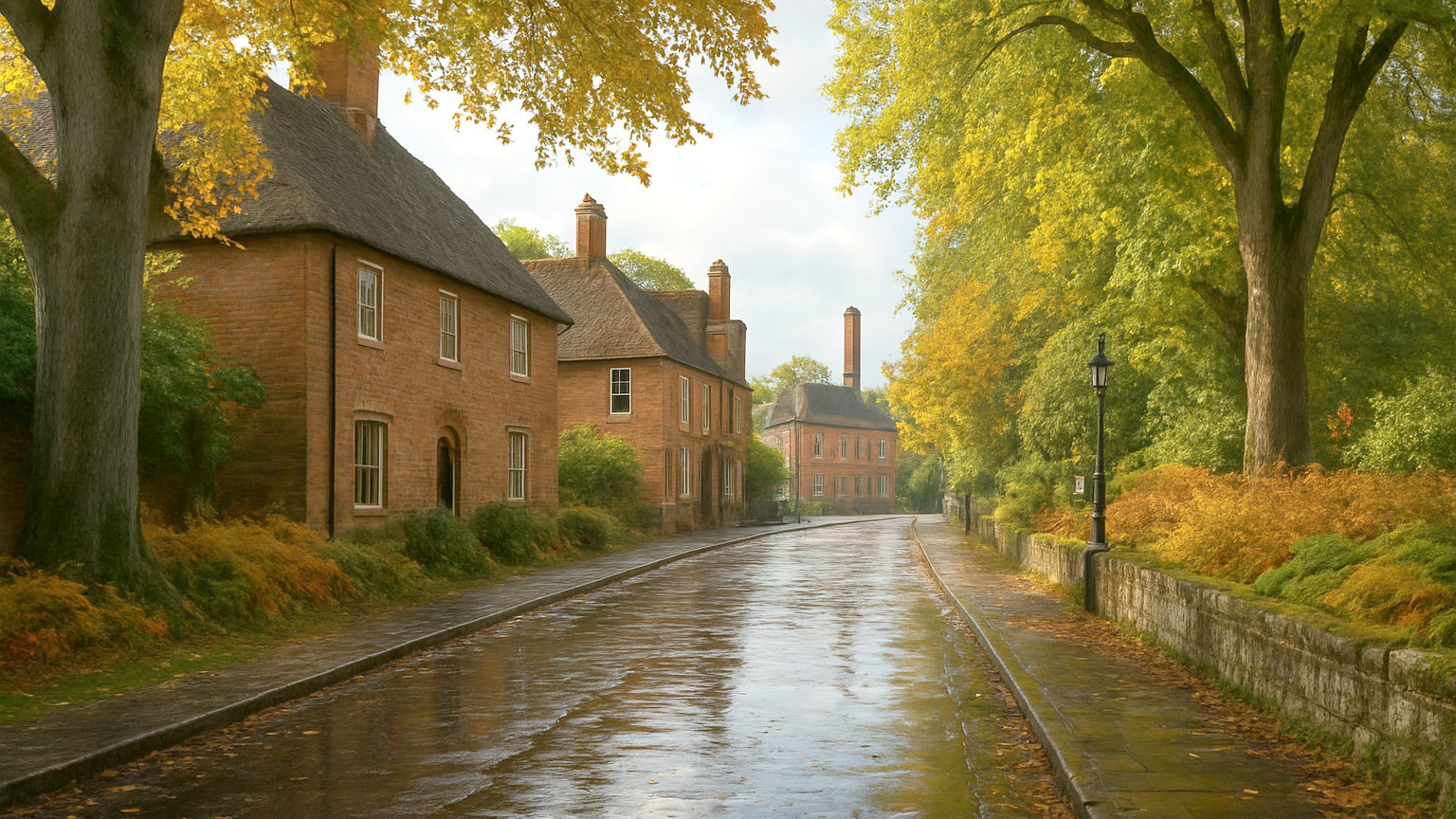
Late April to early June, and September to October. Everything is open, gardens are at their best at one end and the colour is at the other, and the crowds are much lighter than July and August.
March and November are quieter still, with the caveat that some sites have reduced hours and gardens are bare.
What closes in winter?
A great deal. Many houses close entirely from November to March, since heating and staffing a country house for a handful of visitors is uneconomic. Smaller sites often close or open only at weekends.
Unstaffed ruins generally remain accessible year round, and the major sites stay open with reduced hours. Always check the specific property rather than assuming, since a long drive to a locked gate is a poor afternoon.
Is winter worth it at all?
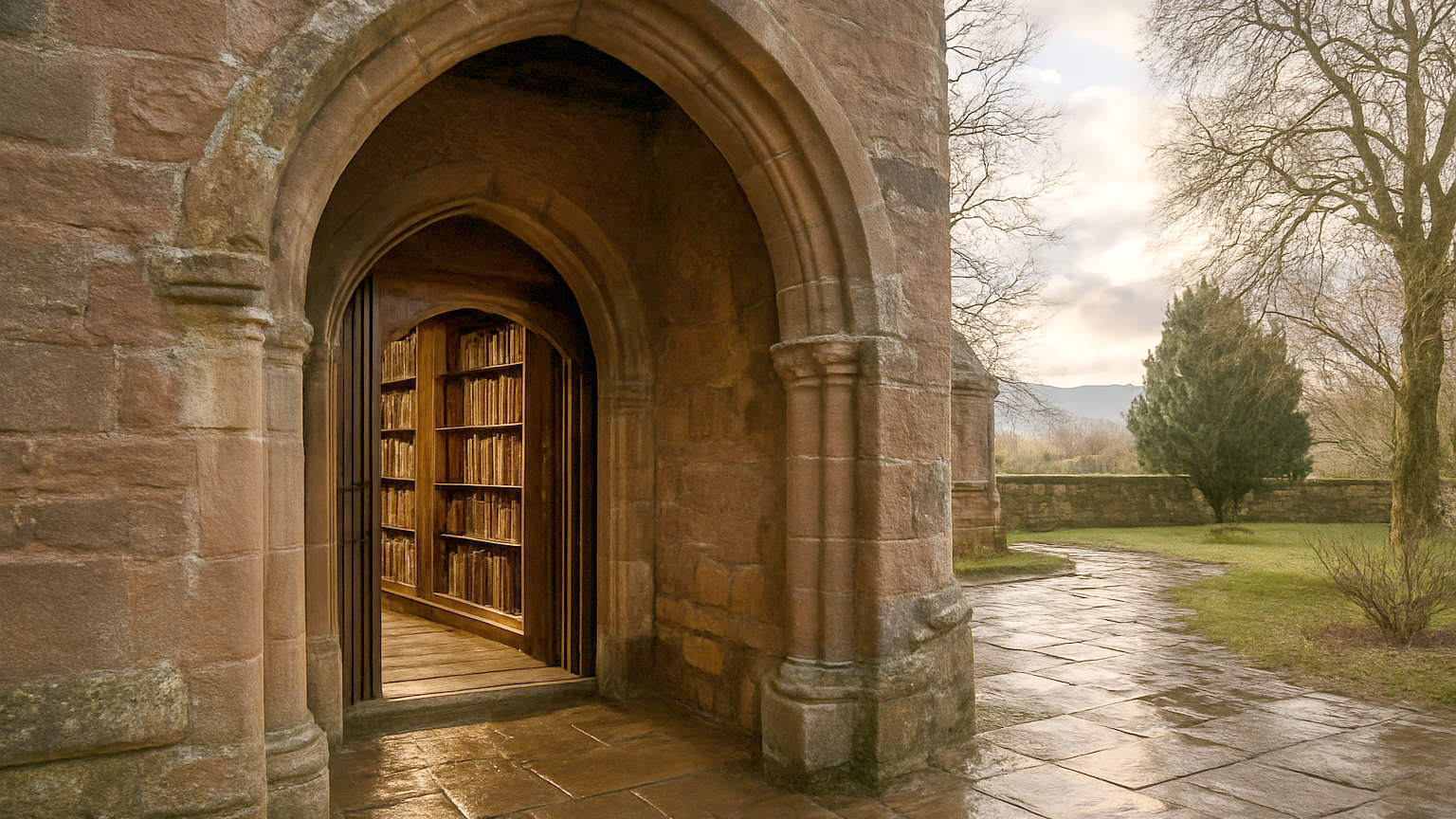
At ruins, very much so. Bare trees open up views, low sun rakes across masonry, frost and mist suit abbeys and castles, and you frequently have the place to yourself.
Many houses also run Christmas openings through December with decorations, which is a distinct experience and popular enough to need booking.
What about gardens specifically?
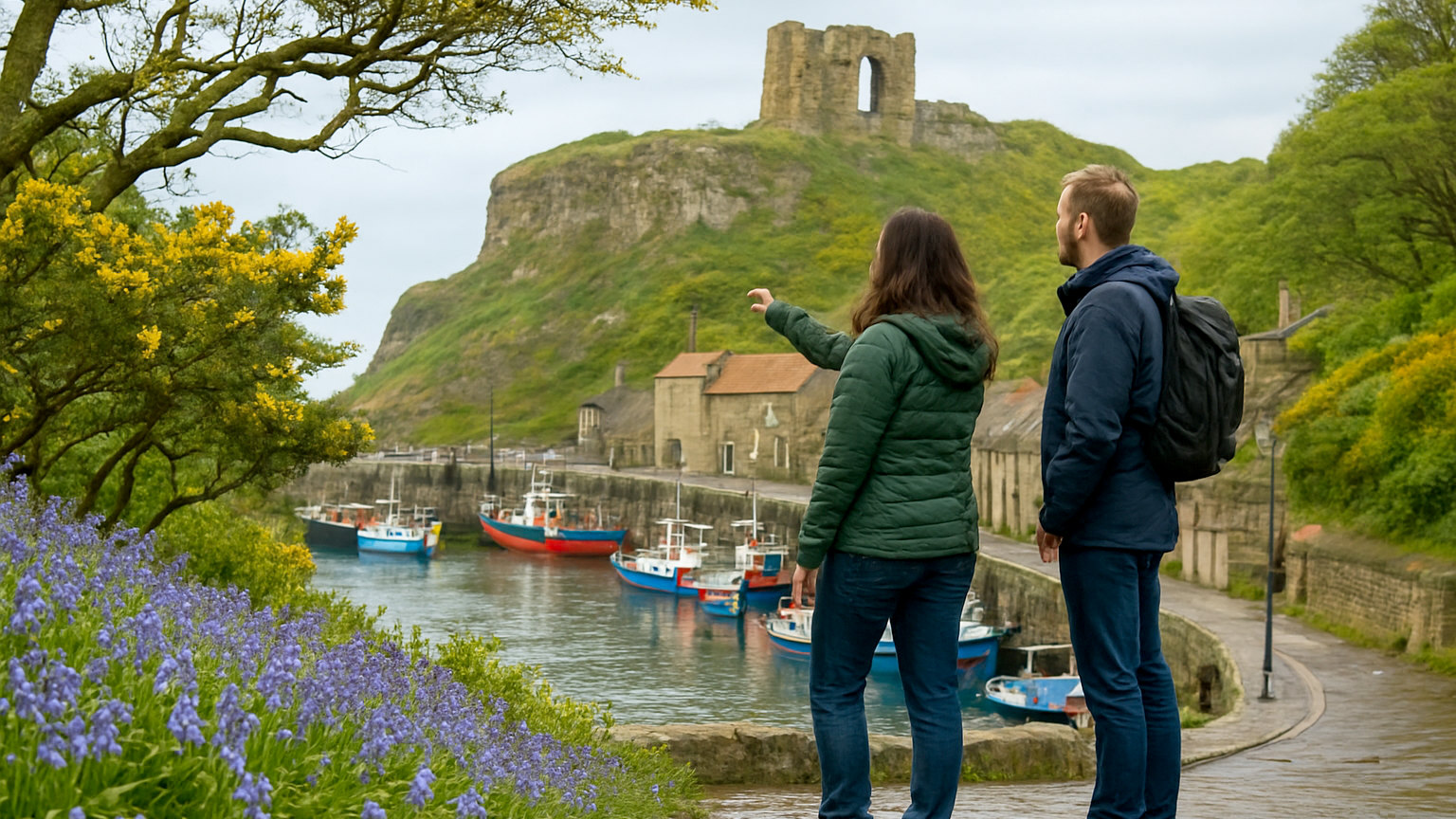
They have their own calendar. Snowdrops in February, daffodils in March, bluebell woods in late April and early May, roses in June, herbaceous borders in July and August, and colour in October.
A garden visited outside its season is a pleasant walk rather than the thing it was designed to be. Most properties publish what is looking good, which is worth checking before choosing a date.
Should you book in advance?
At the major sites, yes, and increasingly it is compulsory. Stonehenge, the Tower of London, Edinburgh Castle and several others operate timed entry, and arriving without a booking risks being turned away on a busy day.
Online tickets are usually cheaper than the gate price, so there is no advantage in leaving it.
How do events change things?
Substantially. Jousting, re enactments and open air theatre draw large numbers and change the character of a site completely, which is either the reason to go or the reason to choose another day.
Check the events calendar before booking. Some properties also close parts of the house for private hire, weddings and filming.
What is the single best adjustment?
Arrive at opening, midweek, outside school holidays, in May or September. That combination gives you a site operating normally with a fraction of its peak visitors.
Almost nobody does it, which is precisely why it works.
What about school holidays specifically?
They set the peaks and they differ across the four nations, which is worth using. Scottish schools break earlier in summer and return in mid August, so late August is noticeably quieter north of the border than south of it. English half terms in February, late May and October produce short sharp spikes at every major site. Travelling in the week immediately before or after any of them gives near identical conditions with a fraction of the visitors.