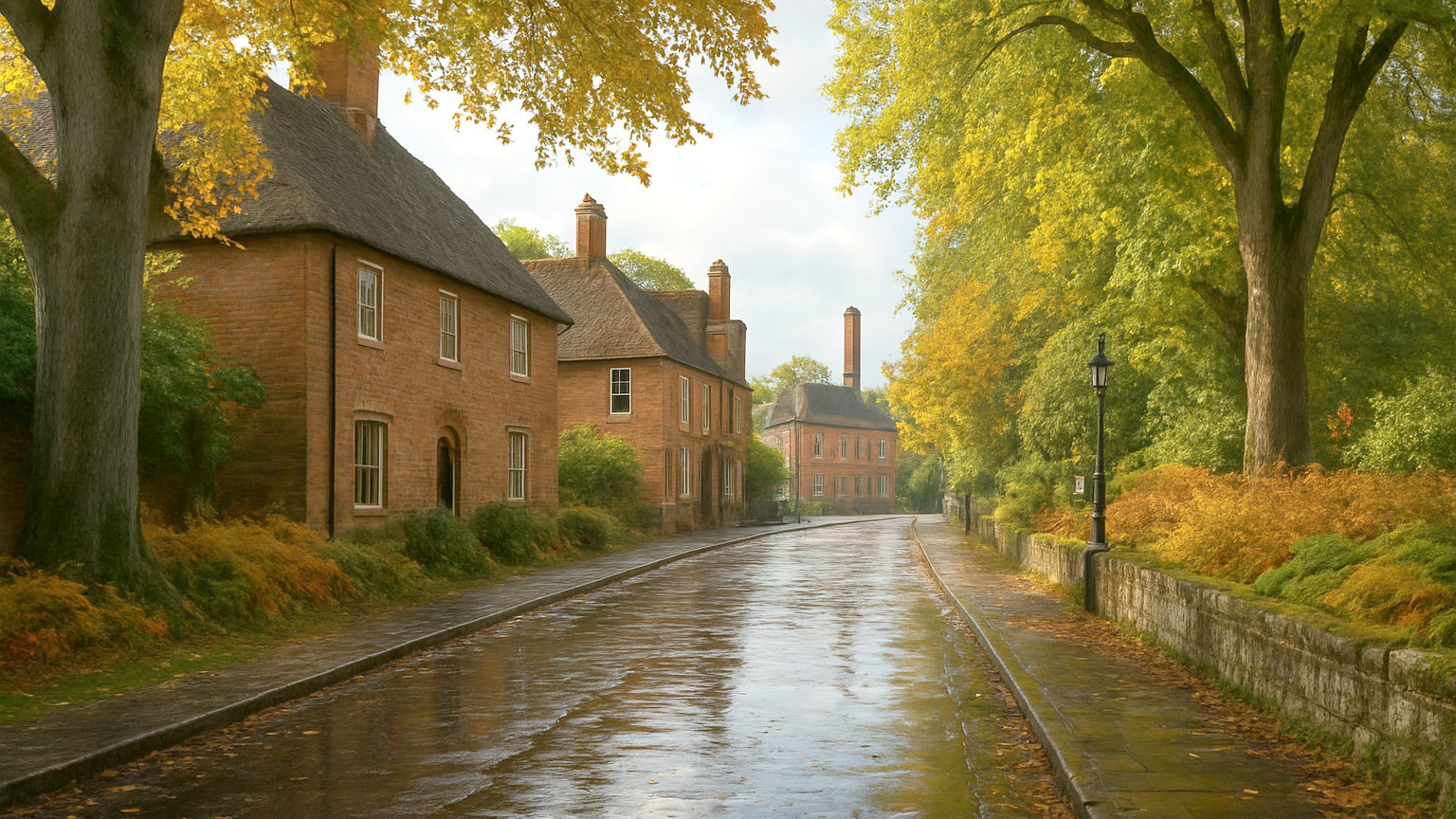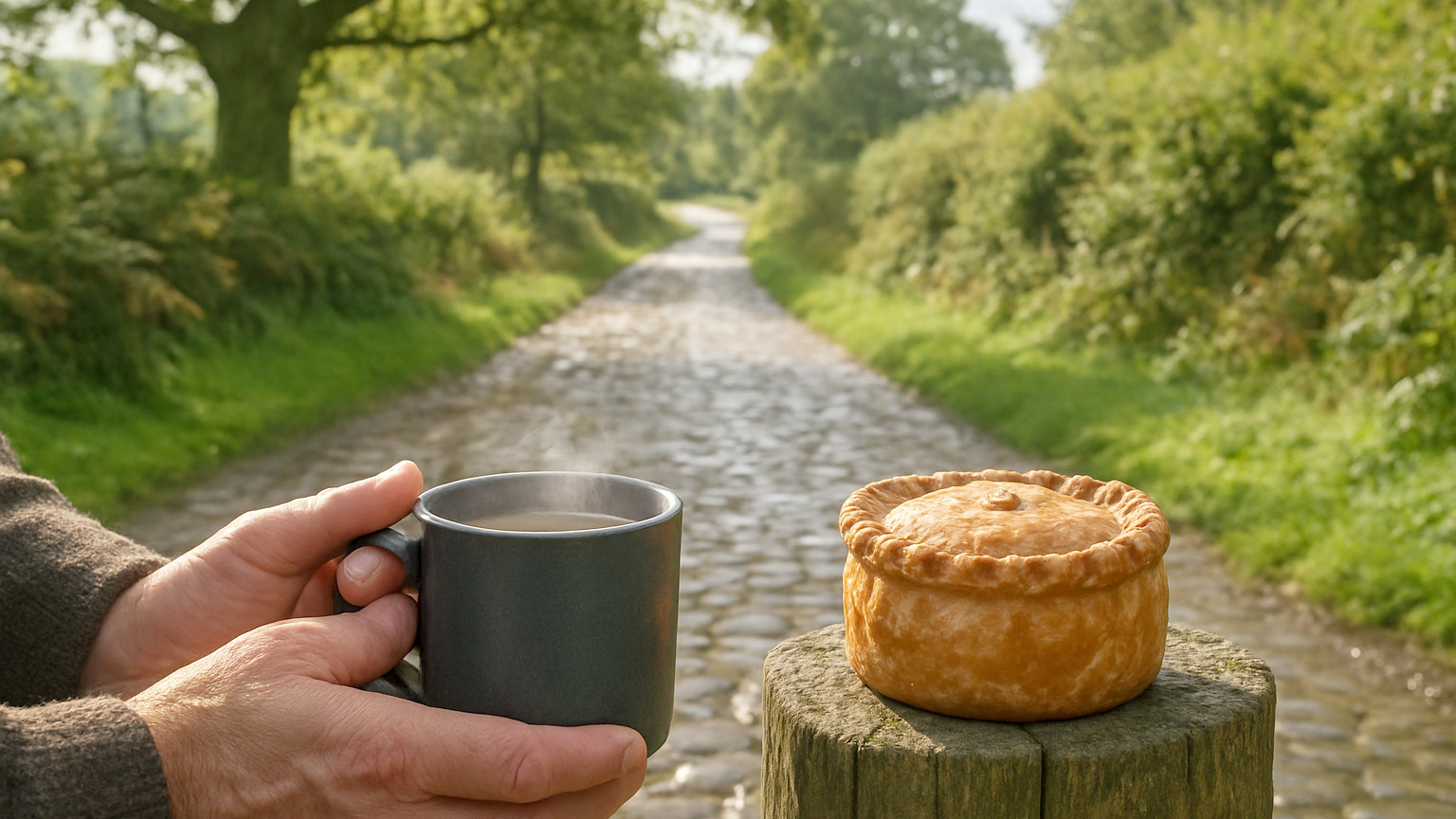
British food has a stronger regional identity than its reputation abroad suggests. A good many dishes belong to a specific county or town, several are legally protected, and eating them where they come from is generally a considerable improvement on the version sold everywhere else.
What should you eat in the south west?
A Cornish pasty, which has protected status and a defined recipe: beef, potato, swede and onion, crimped on the side rather than the top. The crimp was reputedly a handle for miners with dirty hands, though that story is disputed.
Also clotted cream, which is its own protected product, and a cream tea. Whether jam or cream goes on first is a genuine and cheerfully maintained disagreement, with Cornwall putting jam first and Devon cream first.
What is the north known for?
Lancashire hotpot, lamb and onion under sliced potato, slow cooked. Eccles cakes and Chorley cakes, which are different and locals will tell you how. Bury black pudding, sold from market stalls.
In Yorkshire, the pudding, properly served as a first course with gravy rather than alongside the meat. Forced rhubarb from the triangle between Wakefield, Leeds and Morley, grown in dark sheds and harvested by candlelight.
What about the Midlands?
Melton Mowbray pork pie, which has protected status and is made with uncured pork so the filling is grey rather than pink, in a hand raised crust that bows outwards.
Stilton, made in only a small number of dairies across three counties and, curiously, not permitted to be made in the village of Stilton itself. Bakewell pudding, which is not the almond topped tart sold nationally as a Bakewell tart.
What should you eat in Wales?
Cawl, a slow cooked lamb and vegetable broth that is the national dish in all but name. Welsh rarebit, which is a savoury cheese sauce on toast rather than cheese on toast.
Bara brith, a fruited tea bread. Glamorgan sausage, a vegetarian cheese and leek croquette. Laverbread, a seaweed preparation traditionally fried with bacon and cockles for breakfast, which divides opinion sharply.
What about London and the south east?
Pie and mash with liquor, a parsley sauce, served in a small number of surviving traditional shops in east and south London. Jellied eels, which is very much an acquired taste and increasingly rare.
Whitstable oysters in Kent, Bath buns and Sally Lunn buns in Somerset, and Chelsea buns, which were invented in London and are now made everywhere.
Which are genuinely worth the detour?
A pasty in Cornwall from a shop that makes its own. A pork pie in Melton Mowbray from one of the traditional makers. Fish and chips at a good coastal chip shop. A Sunday roast in a proper pub.
These are all substantially better at source than elsewhere, which is not true of every regional dish. Some travel perfectly well.
What has changed recently?
British food has improved enormously over the past thirty years, driven by better sourcing, a revived interest in regional produce and a generation of chefs cooking native ingredients seriously.
The old stereotype of British cooking is a good forty years out of date, though it survives internationally. Farm shops, food markets and pub kitchens are where the change is most visible.
Where do you find the real thing?
Independent bakers, butchers and chip shops rather than chains, and pubs where the menu is short and changes. Farm shops and covered markets in the relevant county.
A useful signal is a queue of local people at lunchtime, which is more reliable than any listing.
What should you not expect?
That every pub serves everything. Regional dishes are regional, and asking for cawl in Kent or a Melton pie in Cornwall will get you a supermarket version at best.
Plan around the geography and eat what the place you are in is actually good at, which is the whole point of regional food.