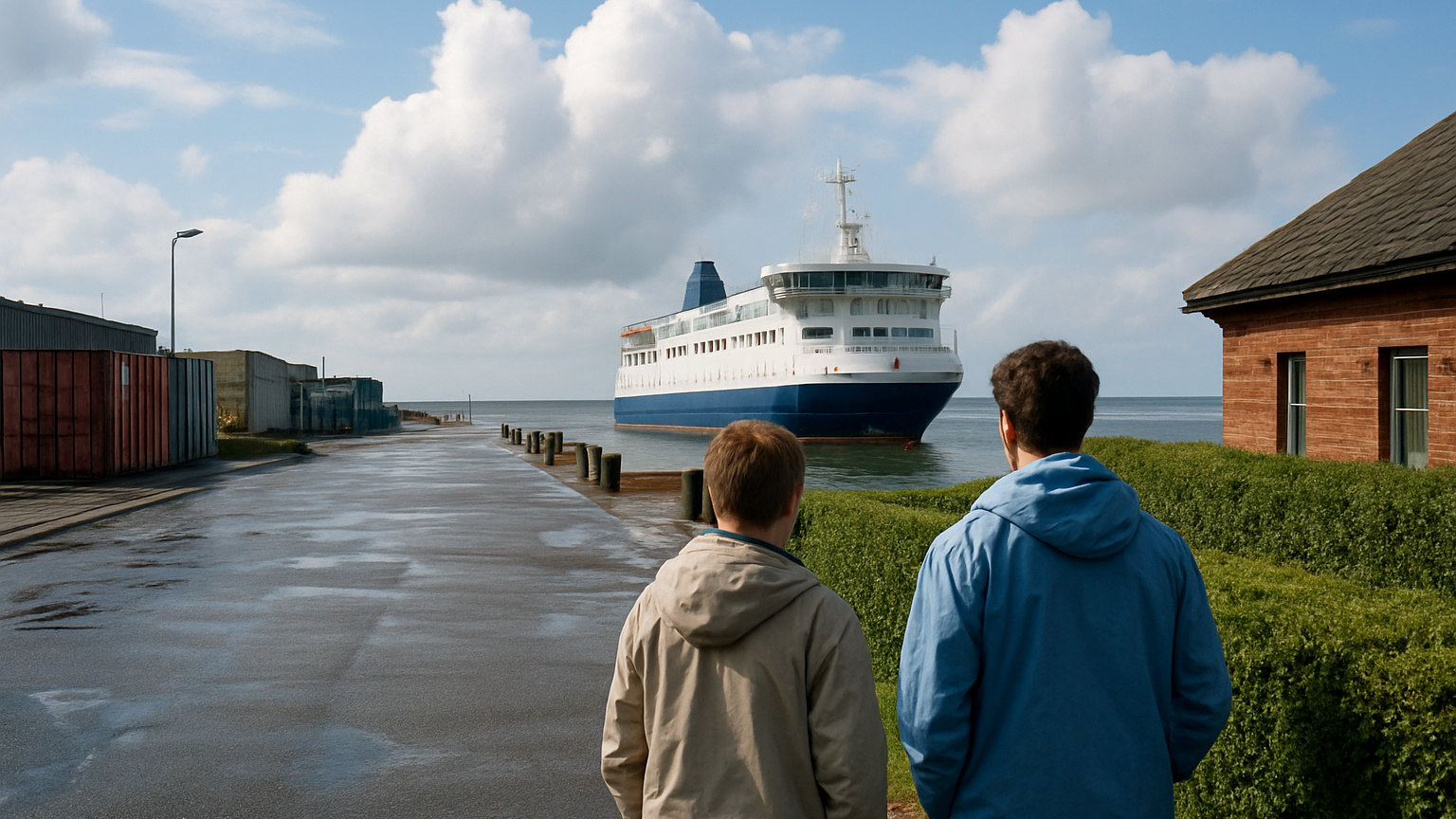
Britain is served by an extensive network of ferry routes, connecting it to Ireland and continental Europe and linking the mainland to its islands. For anyone taking a vehicle, they are frequently the only option and often the most practical one.
What are the main routes to France?
Dover to Calais and Dunkirk are the shortest and most frequent, taking around ninety minutes with sailings throughout the day and night. These carry the bulk of vehicle traffic.
Longer western routes run from Portsmouth, Poole and Plymouth to Normandy and Brittany, taking anywhere from three hours to overnight. They cost more and land you considerably further west, which for a trip to western France saves a long drive.
What about the tunnel?
The vehicle shuttle through the Channel Tunnel takes around thirty five minutes from Folkestone to Calais, with frequent departures and no sea crossing, which suits anyone prone to seasickness.
You stay with your vehicle throughout. It is generally quicker than the ferry door to door and usually costs more.
Which routes serve Ireland?
To the Republic: Holyhead to Dublin, Fishguard and Pembroke to Rosslare, and Liverpool to Dublin. Crossings range from around two hours on fast craft to eight on the longer overnight routes.
To Northern Ireland: Cairnryan to Belfast and Larne, taking about two hours, and Liverpool to Belfast overnight.
What other continental routes exist?
Longer North Sea crossings from Hull to Rotterdam and Zeebrugge, Newcastle to Amsterdam and Harwich to the Hook of Holland, all overnight with cabins.
Plymouth and Portsmouth also serve northern Spain, which takes around a day and saves a very long drive through France.
Which domestic services matter?
The Isle of Wight from Portsmouth, Southampton and Lymington, with crossings of ten to forty five minutes. The Isle of Man from Heysham and Liverpool. The Channel Islands from Poole and Portsmouth.
The Isles of Scilly from Penzance, seasonally. And the extensive Scottish network serving the Hebrides and northern isles, which is a subject in itself.
How should you choose a route?
By where you are starting and finishing rather than by crossing time. A longer crossing that lands closer to your destination frequently beats a short one followed by six hours of driving.
Overnight crossings with a cabin turn the journey into accommodation, which for a long trip is a genuine saving of both time and a hotel night.
How far ahead should you book?
Vehicles need booking, and summer sailings on popular routes fill months ahead, particularly around school holidays. Foot passengers have more flexibility.
Fares vary substantially by date and time, with overnight and early morning sailings usually cheapest, exactly as with flights.
What should you know about check in?
Arrive well before the stated time, since vehicle loading closes early and latecomers are refused. Passport or identification is required on international routes and requested on domestic ones.
Border controls apply on international crossings and can add time at busy periods, particularly at Dover in peak season.
What about hire cars?
Most hire agreements restrict taking vehicles abroad or onto ferries without prior permission, and additional insurance may be required. Declare it when booking rather than at the port.
This is the most common way a ferry trip fails before it starts.
What are crossings like?
Short routes are functional, with seating, shops and food. Longer and overnight services have cabins, restaurants, bars and sometimes cinemas, and are closer to a small cruise than a bus.
Rough weather affects all of them, and sailings are cancelled in severe conditions. Take something for seasickness before boarding rather than after if you are prone to it.
What should you expect to pay?
Enormously variable, driven by route, date, vehicle size and how far ahead you book. Short Channel crossings booked early out of season are inexpensive; the same crossing on a summer Saturday costs several times as much. Longer routes with cabins are priced as accommodation plus transport. Foot passenger fares are a fraction of vehicle fares on every route.