Bury St Edmunds is a Suffolk market town built around the ruins of what was once one of the richest abbeys in Europe, and it has a brewery in the middle of it that has been working on the same site since the early nineteenth century. Food and drink are a substantial part of why people visit.
What is the market like?
Held on Wednesdays and Saturdays and among the largest in East Anglia, filling the streets around the Cornhill with produce, cheese, fish, plants and general goods.
Suffolk is serious farming country and the produce reflects it. Saturday is the bigger day and the town is busy with it.
What about the brewery?
A large brewery occupies a site in the town centre, brewing since 1799 and visible from several streets, with a visitor centre, tours and a shop.
Tours cover the brewing process and end in tasting. The tall brewhouse is a local landmark and the smell of malt across the town is a defining feature.
What is the smallest pub?
The Nutshell, a tiny bar in the centre with room for very few people at once, which claims to be the smallest public house in Britain.
Its ceiling is covered in banknotes and oddments. It is a genuine working pub rather than a museum piece and gets full immediately.
What is at the abbey?
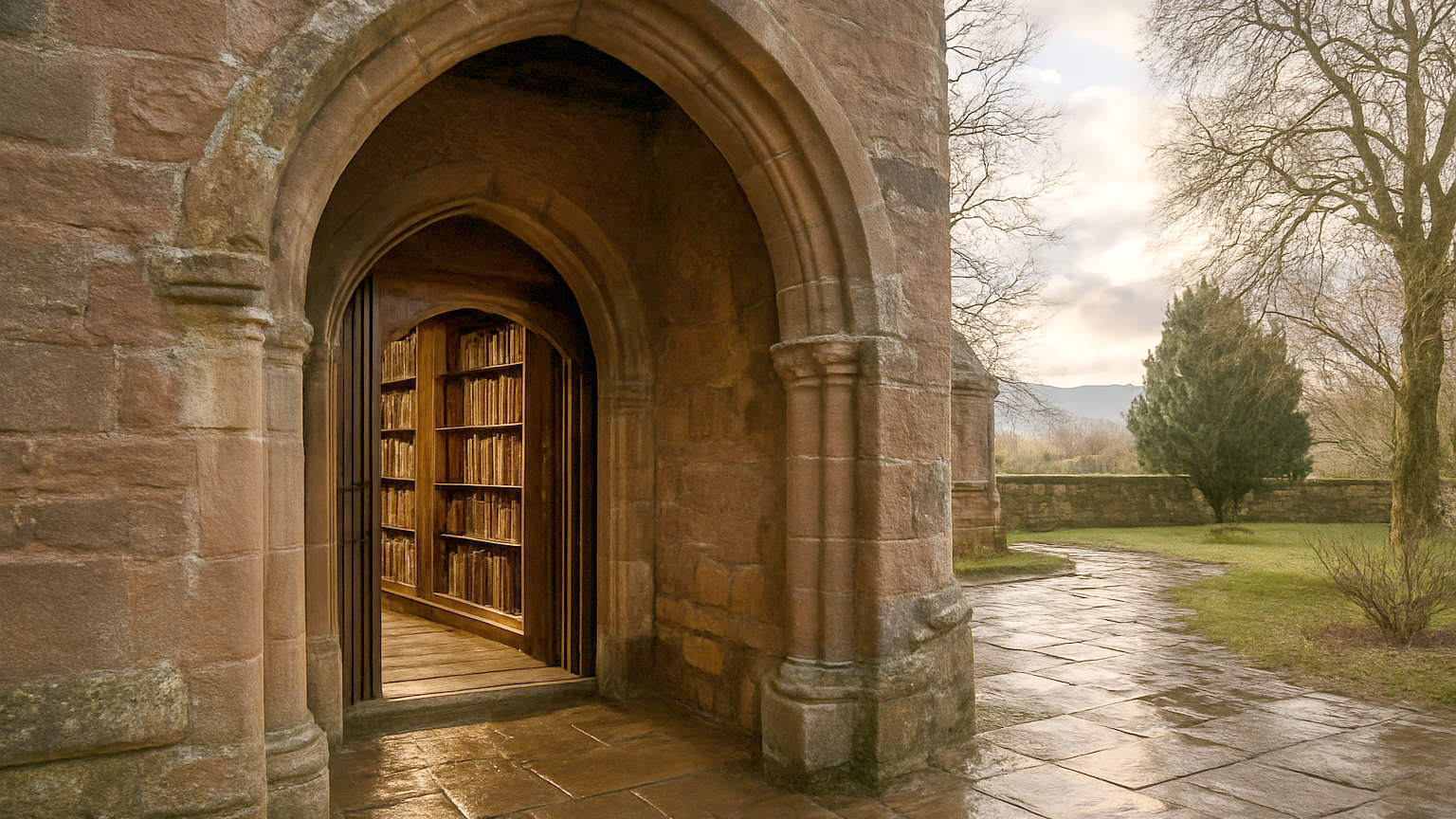
Ruins of an enormous Benedictine abbey that held the shrine of St Edmund, an Anglo Saxon king killed by Vikings, which made the town a major pilgrimage destination.
The ruins stand in the Abbey Gardens, a Victorian public park, free to enter, with two surviving gate towers of considerable scale.
What happened here in 1214?
Barons are said to have met at the abbey and sworn to force King John to accept a charter of liberties, which became Magna Carta the following year.
The town uses the phrase cradle of the law on its arms, and the association is a genuine part of local identity.
What Suffolk produce should you look for?
Cured pork and bacon, for which the county is well known, along with cheese, asparagus in spring and samphire from the coast in summer.
Suffolk also grows a substantial share of the barley used in British brewing, which is why the brewery is where it is.
Where should you eat?
The town has a good number of independent restaurants and pubs for its size, several in historic buildings around the Angel Hill and the abbey gate.
Booking at weekends is sensible, particularly on market days when the town fills.
What else is in the town?
A Regency theatre, one of very few surviving from the period and restored to its original form, which stages a full programme.
A cathedral, raised to that status in the twentieth century, with a tower completed in 2005 in traditional style.
What is nearby?
Ickworth, an unusual house built around an enormous rotunda, with parkland, a few miles south west.
Lavenham, a wool village of remarkable timber framed survival, half an hour away, and Cambridge around forty minutes.
How do you get there?
By train from Cambridge in around forty minutes and from Ipswich, with connections from London via either.
The station is a short walk from the centre and the town is entirely walkable.
When should you go?
A market day for the produce, and spring or early summer for the Abbey Gardens at their best.
A food and drink festival is held in the town, and the Christmas fair in late November fills the streets and draws very large numbers.
What about the surrounding villages?
Suffolk has a strong tradition of village pubs serving proper food, several within a short drive and a number with rooms. The Brecks to the north are heath and forest, unusual habitat with distinctive wildlife, and the coast is around an hour east. Sunday lunch in a village pub is among the better things the county offers.