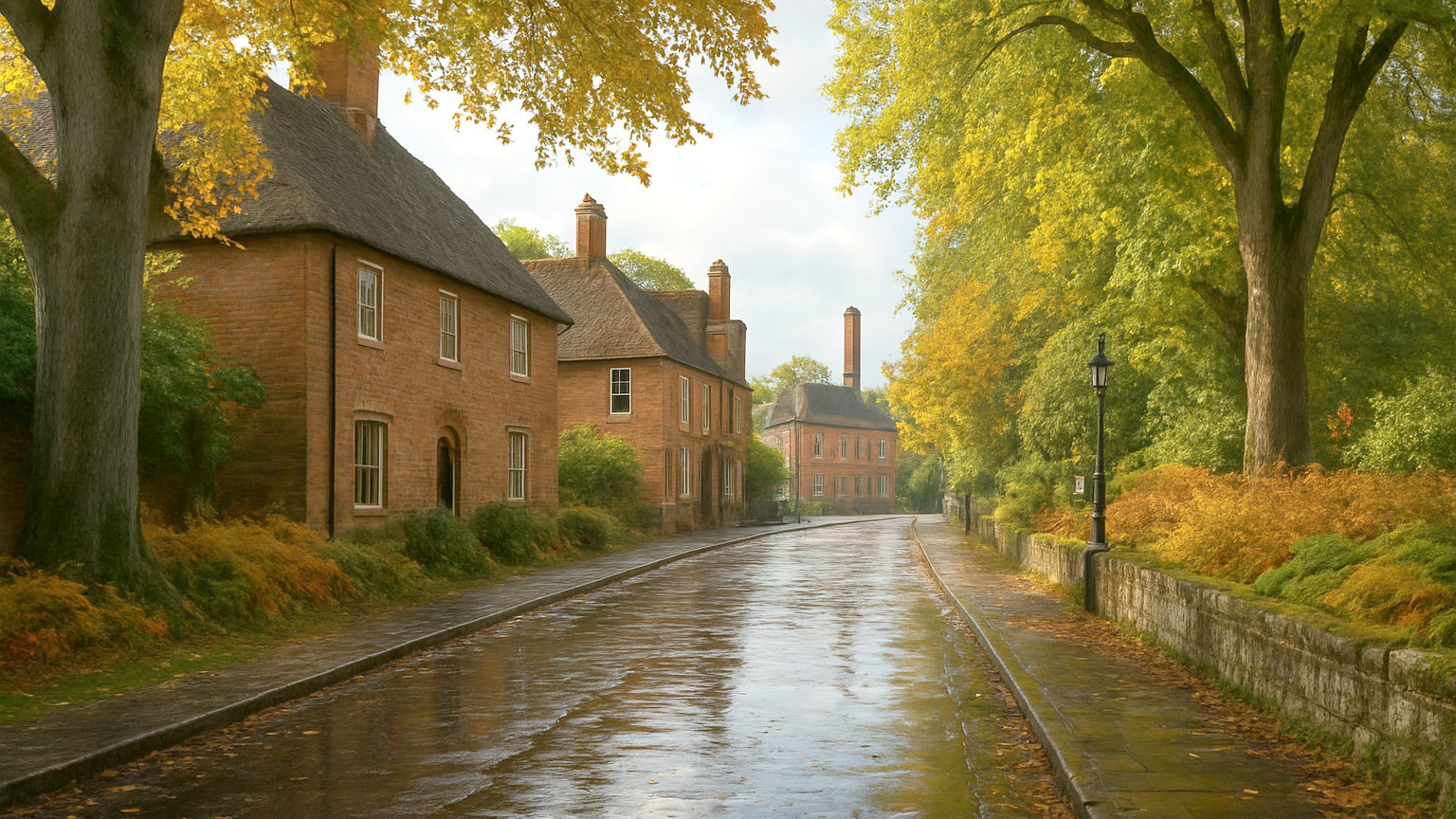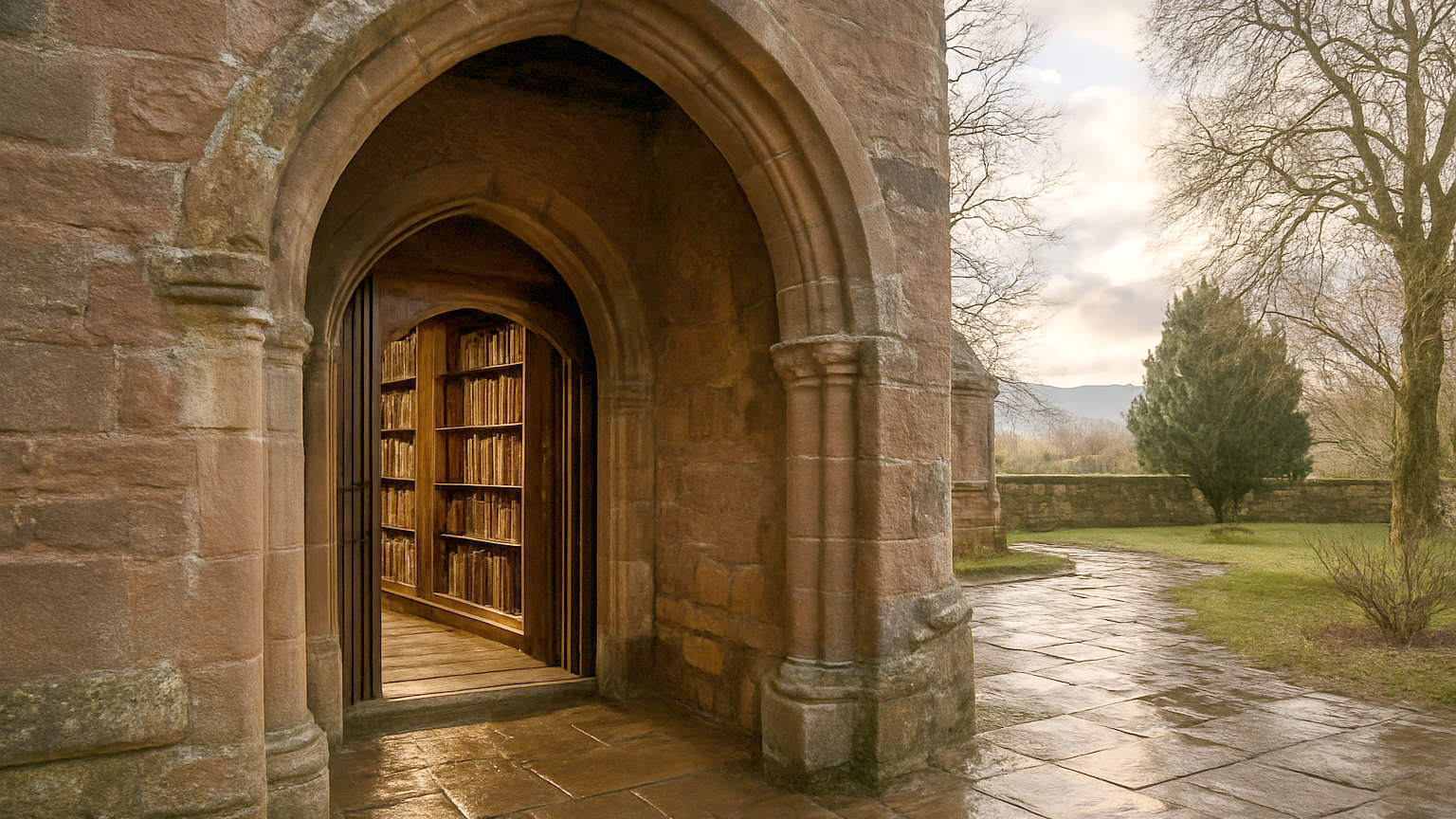
Canterbury Cathedral has the oldest continuous foundation in England, established in 597, and became one of the great pilgrimage destinations of medieval Europe after an archbishop was murdered in it. It remains the seat of the Archbishop of Canterbury and the mother church of the Anglican Communion.
What happened to Becket?
Thomas Becket was killed in the north west transept on 29 December 1170 by four knights who believed they were acting on the king's wishes, after a long dispute over the authority of church and crown.
He was canonised within three years. The spot is marked in the transept, now called the Martyrdom, with a sculpture of jagged swords on the wall above.
Where was the shrine?
In the Trinity Chapel behind the high altar, reached by broad steps worn into hollows by centuries of pilgrims approaching on their knees.
The shrine itself was destroyed in 1538 and the site is now marked by a single candle on bare stone, which is more affecting than any monument.
What is the crypt?
The largest Norman crypt in the world, built in the early twelfth century, with carved capitals of exceptional quality and wall paintings surviving in one chapel.
Becket's body lay here for fifty years before the shrine was built above. It is cool, dim and the oldest substantial part of the building.
What is Bell Harry?
The central tower, completed in the 1490s, with a fan vault inside that can be seen by standing beneath the crossing and looking straight up.
It is among the finest Perpendicular towers in England and dominates the city from every approach.
What glass survives?
Some of the oldest in the country, including panels from the twelfth century in the Ancestors of Christ series, which are among the earliest surviving stained glass anywhere.
The miracle windows record cures attributed to Becket and are extraordinary historical documents as well as art. Much of the glass was removed for safety during the Second World War, which saved it.
Who is buried there?
The Black Prince, eldest son of Edward the Third, whose tomb carries a copper effigy with replicas of his funeral achievements hanging above.
Henry the Fourth is the only monarch buried here, alongside his queen, and a great many archbishops.
What is in the cloisters?
A great cloister with hundreds of carved heraldic bosses recording the arms of families who paid for the rebuilding after a fire.
The surrounding monastic buildings survive unusually completely, including the chapter house with its barrel vaulted wooden ceiling and the water tower.
What is the wider World Heritage Site?
Three sites together: the cathedral, the ruins of St Augustine's Abbey a short walk away, and St Martin's Church, claimed as the oldest church in continuous use in the English speaking world.
All three can be seen in a day and the abbey in particular is quiet.
Does it charge?
Yes, for sightseeing, with concessions and free entry for those attending services. Anyone coming to pray enters without payment.
Charges and opening change, so check the cathedral's own site before travelling.
Can you attend a service?
Evensong is sung most days during term, lasts under an hour, is free and is open to anyone regardless of belief.
It is the best way to experience the building, since the quire is used as it was designed to be used.
When should you go?
Early morning or late afternoon, and outside the summer peak, when the cathedral receives very large numbers including school groups.
Winter weekdays are calm and the low light through the medieval glass is at its best.
What is the Corona?
A circular chapel at the extreme east end, built to hold the crown of Becket's head, which was struck off during the murder and kept as a separate relic. It has some of the finest thirteenth century glass in the building and is the furthest point of the pilgrim route through the church, which ran up one side, past the shrine and down the other.
One final practicality: the precinct is entered through a gatehouse from the city and there is a charge at that point, so the exterior of the west front is best seen from the gate before going through.