Castles ought to be the ideal family day out and frequently are not. The difference between a site that holds children for three hours and one that loses them at the ticket desk has little to do with historical importance and a great deal to do with whether there is anything to climb.
What actually keeps children interested?
Things you can go up, go down or go inside. Towers with stairs, wall walks, dungeons, tunnels and battlements are worth more than any interpretation panel.
Space to run also matters, which is why grounds and grassy baileys are as important as the building. And a trail or activity sheet, which most major sites now provide free.
Which castles deliver a full day?
Warwick, which combines a complete castle with towers to climb, birds of prey displays and costumed events, and is priced accordingly. Dover, with medieval tunnels and wartime tunnels beneath the cliffs.
Caerphilly, which is enormous, has a famously leaning tower and reproduction siege engines. Alnwick, with its gardens and a strong programme of activities. The Tower of London, which needs most of a day.
Which ruins work well?
The ones with a wall walk or a keep to climb. Conwy is outstanding for this, with almost the entire circuit walkable and eight towers. Carisbrooke on the Isle of Wight has a wall walk, a donkey powered well and a good museum.
Scarborough, Pembroke, Kenilworth and Framlingham all give children somewhere to get up high, which is the thing they remember.
What should you avoid with young children?
Sites that are largely earthworks, where there is nothing to see above waist height. Sites with extensive unguarded drops, which turn a visit into constant supervision.
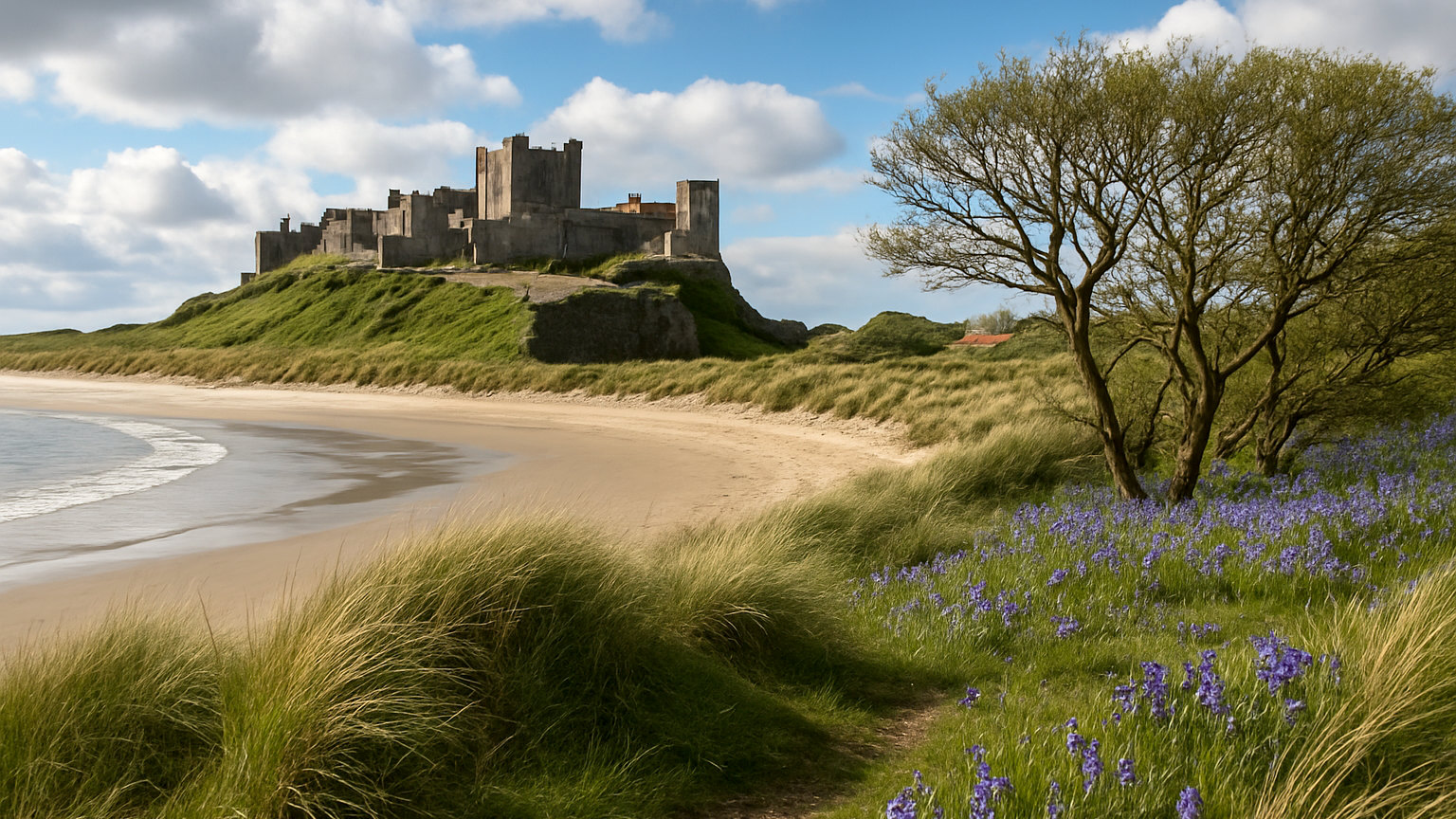
Also anywhere with a long approach walk and no facilities, unless everyone is up for it. Dunstanburgh is magnificent and a mile and a half each way from the car.
How long should you allow?
Two to three hours for most castles, which is generally when children have exhausted the climbing. A full day only at the largest sites with additional attractions.
Better to leave while everyone is still enjoying it than to extract full value from the ticket and finish with an argument in the gift shop.
What about events?
Worth planning around. Jousting, falconry, siege re enactments and living history days run through the summer at the larger sites and transform a visit for children.
Check the events calendar before choosing a date, since the same castle on an event day and an ordinary Tuesday are quite different propositions.
What should you take?
A picnic, since castle catering is expensive and often limited. Layers, because castles are cold, exposed and windy even in summer.
Sensible footwear for worn spiral stairs, and a torch for dungeons and tunnels, which children enjoy disproportionately.
Are memberships worth it for families?
Frequently, since family admission at a major castle is substantial and three or four visits usually covers an annual membership. Many sites will convert your admission into membership on the day.
Free parking at member car parks adds further value for families visiting coast and countryside as well.
What is the single best test?
Whether there is a tower you can climb. Almost every castle children rate highly has one, and almost every one they find dull does not.
Check for a wall walk, a keep with stairs or accessible battlements before choosing between two sites, and the day will generally look after itself.
What about the walk in?
Worth checking, because several of the most atmospheric castles involve a substantial approach on foot. Dunstanburgh is a mile and a half each way along the coast, which is a fine walk for older children and a considerable undertaking with a toddler and a pushchair. Where the approach is long, treat it as the day out rather than an obstacle, take a picnic and allow twice the time you would for a roadside site.