Cathedral entry arrangements vary considerably and change from time to time, which is why visitors arrive with the wrong expectation so often. Broadly, a minority charge admission, most ask for a donation, and every one of them admits anyone coming to pray or attend a service without payment.
Which cathedrals charge?
A minority, generally the most visited, where the numbers are large enough to require managed entry and the maintenance costs are correspondingly high.
Canterbury, York, Lincoln, Winchester, Ely and St Paul's have all charged in recent years, and Westminster Abbey charges though it is not a cathedral.
Which ask a donation?
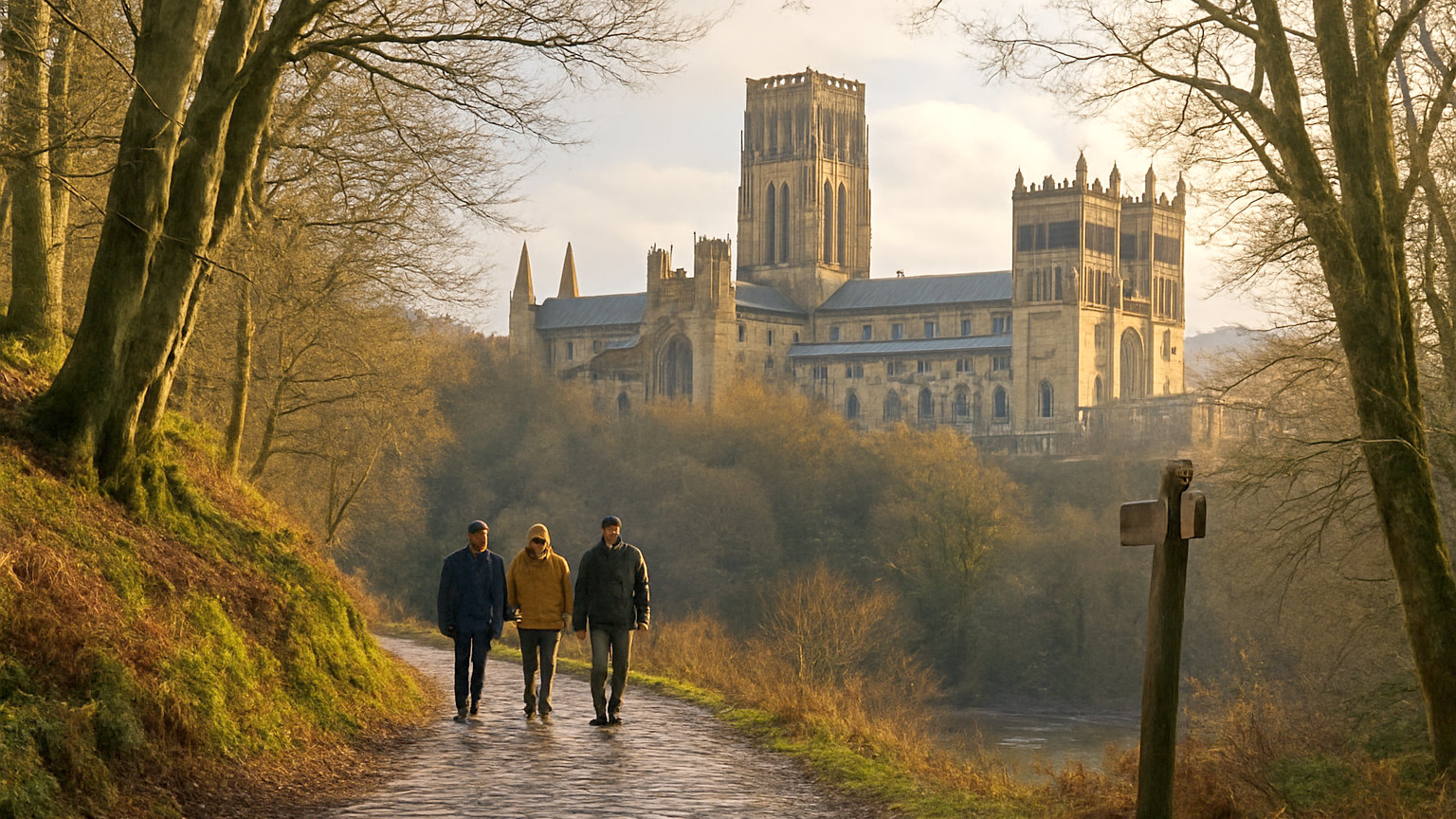
Most of the rest, with a suggested amount displayed at the door and no obligation, including Durham, Wells, Gloucester, Worcester, Norwich and a good many others.
Donations are the practical difference between a building being maintained and not, so paying the suggested figure if you can afford it is reasonable.
Can you always get in free?
To pray, yes, always, at any cathedral. Anyone attending a service enters without payment, and that includes evensong, which is sung daily in most of them.
Nobody will question your reasons. This is a genuine and long standing principle rather than a loophole, though attending a service to avoid a charge and then wandering off to sightsee is poor form.
What is charged separately?
Tower climbs, roof tours, exhibitions, treasuries and special access visits are almost always ticketed separately, whether or not general entry is charged.
Photography permits are occasionally required, and some cathedrals restrict photography entirely in certain areas.
Do local residents pay?
Frequently not. Several charging cathedrals admit residents of the city or diocese free, sometimes on production of proof of address.
Concessions for children, students and older visitors are usual, and family tickets are common.
Why do cathedrals need the money?
Because they receive very little public funding and the maintenance costs are enormous. A single major repair programme can run into many millions.
Most employ full time stonemasons and glaziers, and the largest run their own workshops, since the skills required are not widely available commercially.
Is there an annual pass?
Several charging cathedrals convert a day ticket into a year's admission if you ask, which is worth doing even if you do not expect to return.
Ask at the desk rather than assuming, since it is not always advertised.
What about Gift Aid?
UK taxpayers can usually add Gift Aid to a donation or admission, which increases its value to the cathedral at no cost to the donor.
Some cathedrals offer the annual pass in exchange for a Gift Aided ticket, which is where the two arrangements meet.
Do charges change?
Regularly. Several cathedrals have introduced, removed or restructured charges over the past decade, and the position after the pandemic shifted again.
Check the cathedral's own website before travelling rather than relying on a guidebook or a previous visit.
What else costs money?
Parking in cathedral cities, which is generally expensive, and the cafes and shops, which most cathedrals now run and which contribute meaningfully to the finances.
Buying a coffee or a guidebook is a straightforward way to support a building you have enjoyed.
What is the sensible approach?
Check the specific cathedral before you go, pay the donation if you can, and consider evensong, which costs nothing and is the better experience anyway.
Most of the finest cathedral interiors in Britain can be seen for a voluntary contribution, which is unusual internationally and worth appreciating.
What if you cannot afford it?
Say so. Cathedrals are not in the business of turning people away, and most will admit anyone who explains they cannot pay. Attending a service is free at every one of them, and several run free entry days or periods. The suggested donation is a suggestion rather than a barrier.
One final point: cathedrals are working churches first and visitor attractions second, and areas close at short notice for weddings, funerals, ordinations and civic services. That is not a failure of the arrangement; it is what the buildings are for.