Dover sits at the narrowest point of the Channel, which has made it the front door of England for two thousand years and given it a castle, a Roman lighthouse and a network of tunnels dug into the chalk. Most visitors pass straight through to the ferries and miss all of it.
Why is the castle important?
It was called the key of England for good reason, guarding the shortest crossing, and it has been continuously fortified from the Iron Age through to the Cold War.
The Great Tower built for Henry the Second has been presented as it might have looked in his reign, with colour, hangings and furniture rather than bare stone.
What are the wartime tunnels?
A network cut into the cliff beneath the castle, expanded during the Second World War, from which the evacuation of Dunkirk was directed in 1940.
Guided tours cover the command centre and an underground hospital, and they are among the best presented historic sites in Britain. Book ahead in season.
What is the Roman lighthouse?
A pharos standing within the castle grounds, built in the first or second century, and among the tallest surviving Roman structures anywhere in Britain.
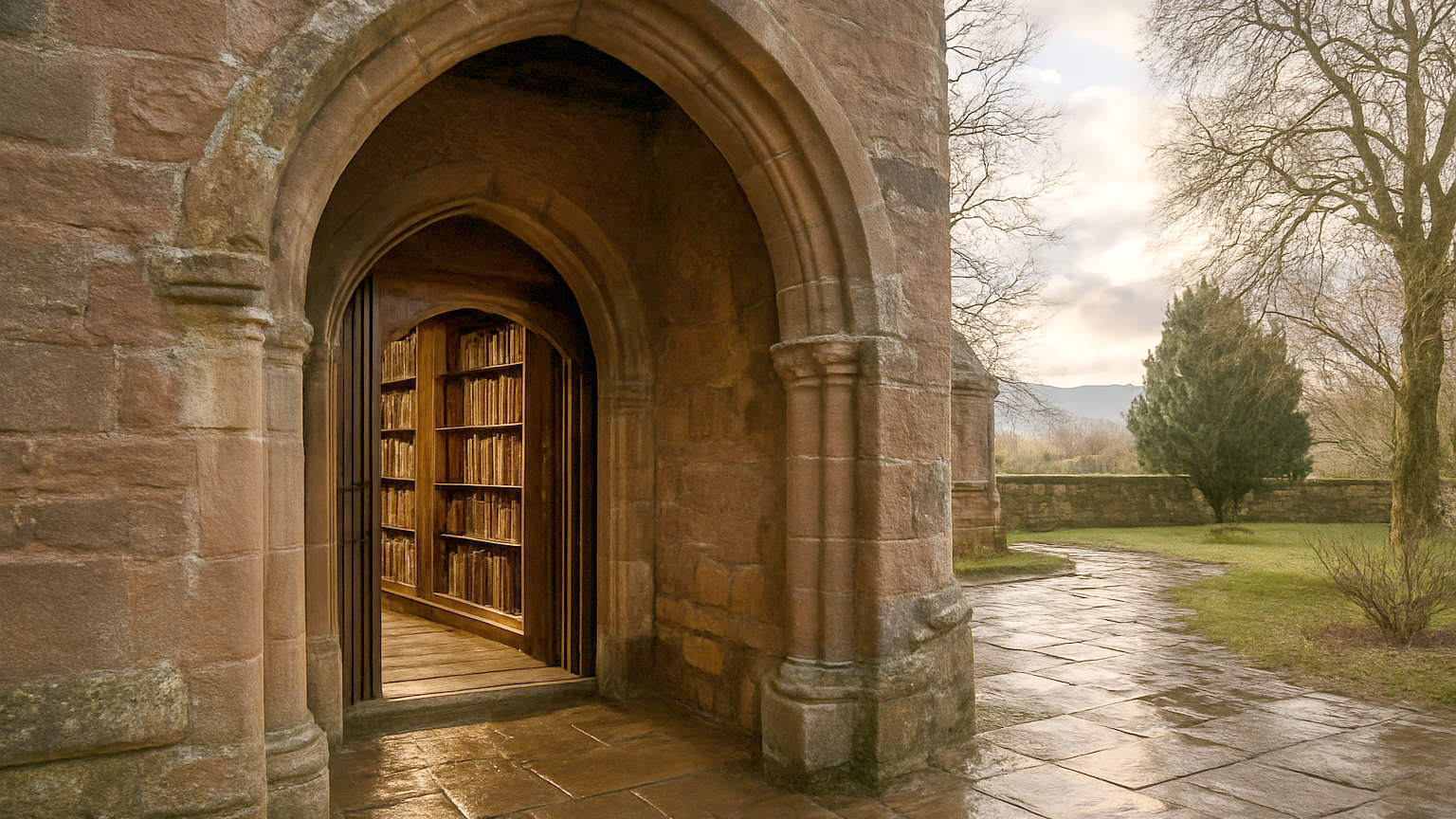
Beside it stands an Anglo Saxon church still in use, so the two together span most of the site's history in a few metres.
What about the white cliffs?
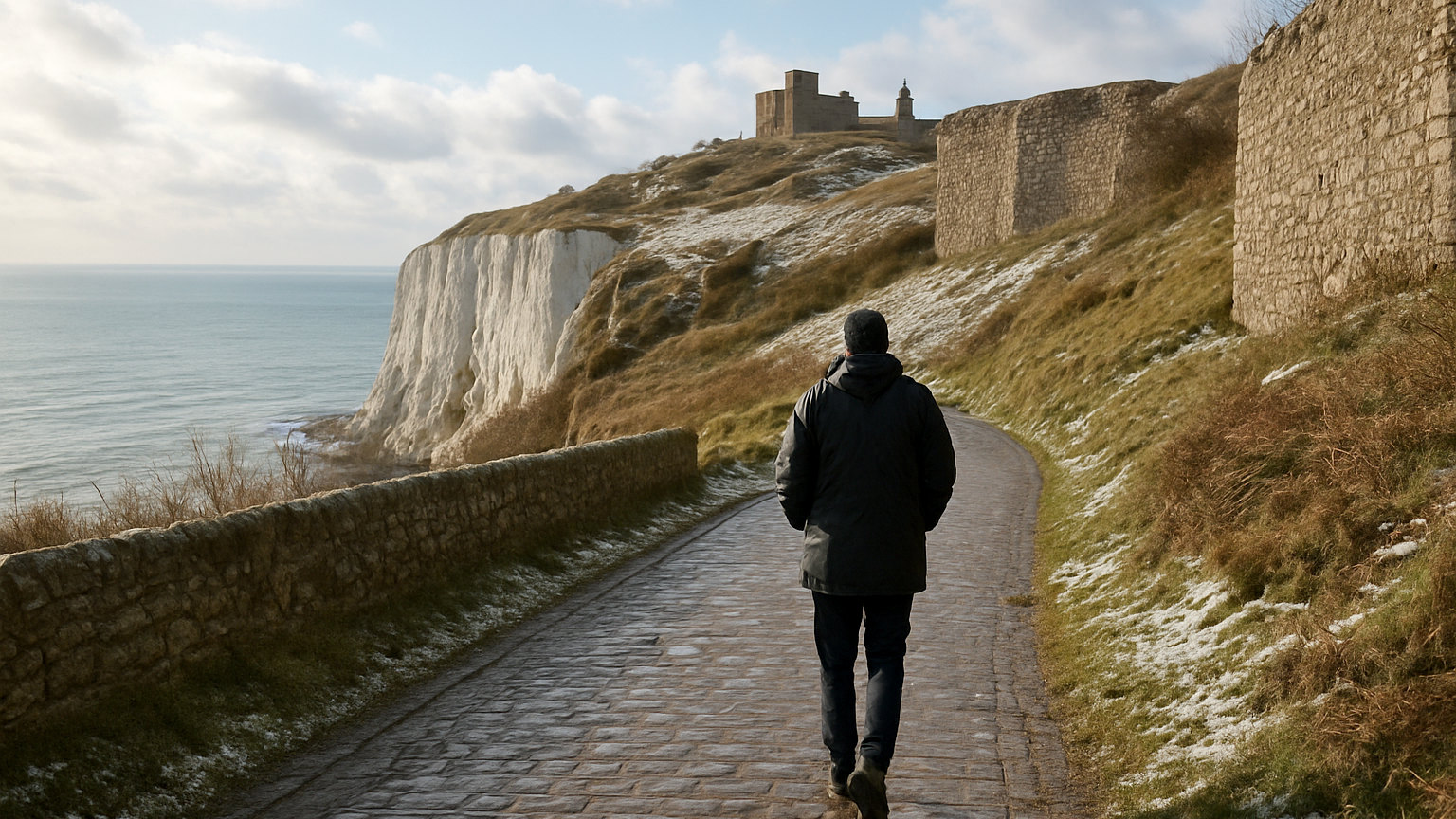
Chalk cliffs running east from the port, with a clifftop path giving views across to France on a clear day, and open access land maintained by a conservation charity.
Stay well back from the edge. The chalk is unstable, falls happen without warning and the overhanging turf conceals where solid ground ends.
What is South Foreland?
A Victorian lighthouse on the cliffs a couple of miles from the town, reached on foot along the clifftop, where the first ship to shore radio transmission was made.
It is open seasonally with tours to the lamp room, and the walk out is the best on this stretch of coast.
What is Samphire Hoe?
A piece of land at the foot of the cliffs created from spoil excavated during the construction of the Channel Tunnel, now a nature reserve with a sea wall walk.
It is entered through a tunnel under the railway and is unlike anywhere else on the coast, being an entirely artificial landscape now colonised by chalk grassland plants.
Is there anything Roman in the town?
The Roman Painted House, the remains of a mansio or official guest house, with painted wall plaster surviving in place and an underfloor heating system.
It opens on limited days and is a genuinely remarkable survival in the middle of a modern town centre.
What is the port like?
One of the busiest ferry ports in Europe, with sailings to Calais and Dunkirk, and a separate cruise terminal in the western docks.
The town has struggled economically and the seafront has seen recent investment. Visitors arriving by ferry frequently form an unfair impression from the approach roads.
What is nearby along the coast?
Deal, with another Tudor artillery castle and a pier, and Walmer Castle with gardens. St Margaret's Bay below the cliffs.
Sandwich, a remarkably preserved medieval town that was once a major port and is now two miles inland after the harbour silted up.
How do you get there?
By train from London St Pancras on the high speed line in around an hour, or on the slower classic route from Charing Cross and Victoria.
The castle is a steep climb from the town, and a bus runs up from the seafront in season.
How long do you need?
A full day for the castle and tunnels alone, which most visitors underestimate, and two nights to add the cliffs, the lighthouse and Deal.
It works well as a base for east Kent, with Canterbury half an hour away.
What should you know about arriving by ferry?
The port sits directly below the castle and the approach roads are functional rather than scenic, which gives many travellers a poor first impression of England. Anyone with a few hours before a sailing can reach the castle, the seafront or the cliffs easily, and doing so is a far better use of the wait than the terminal.