Britain has one of the densest concentrations of prehistoric monuments in Europe, much of it older than the Egyptian pyramids and a good deal of it freely accessible in fields. Several of the finest sites receive a fraction of the visitors that a medieval castle attracts, and a number cost nothing at all.
Which are the essential sites?
Stonehenge, which needs no introduction and does need booking. Avebury a short distance away, which is arguably more rewarding: a vastly larger circle with a village inside it, free to walk around at any hour.
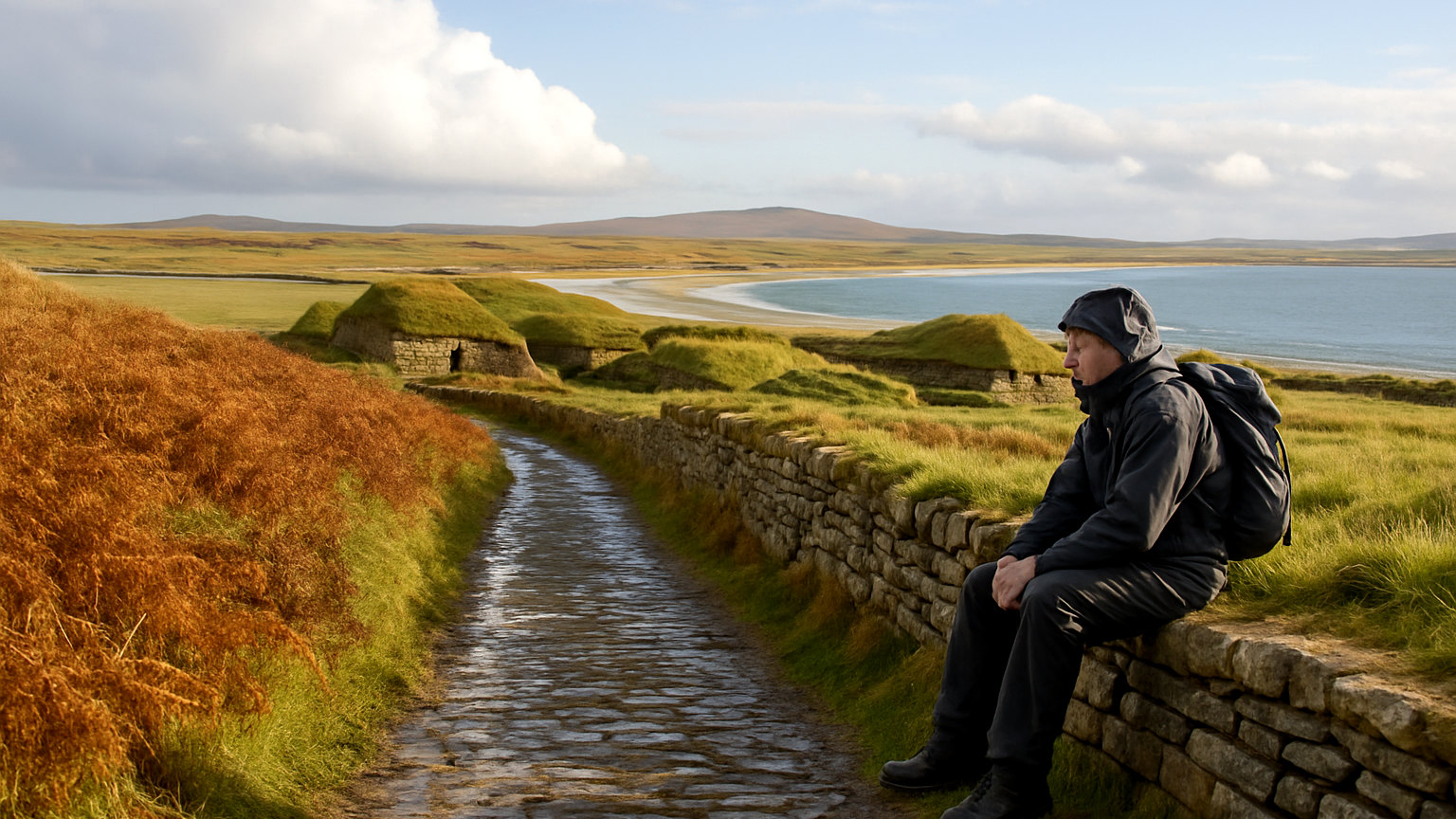
Skara Brae and the Ring of Brodgar in Orkney, part of a World Heritage Site that includes the chambered tomb at Maeshowe. Callanish on Lewis, a cross shaped setting of tall stones above a loch.
Why is Avebury often preferred to Stonehenge?
Because you can walk among the stones and touch them, which at Stonehenge you cannot except on special access visits. Avebury is also free, open at any time and considerably larger, enclosing part of a village within its bank and ditch.
Stonehenge remains extraordinary and the visitor centre is good. The two are twenty miles apart and best seen on the same trip, along with Silbury Hill and West Kennet Long Barrow nearby.
What are chambered tombs?
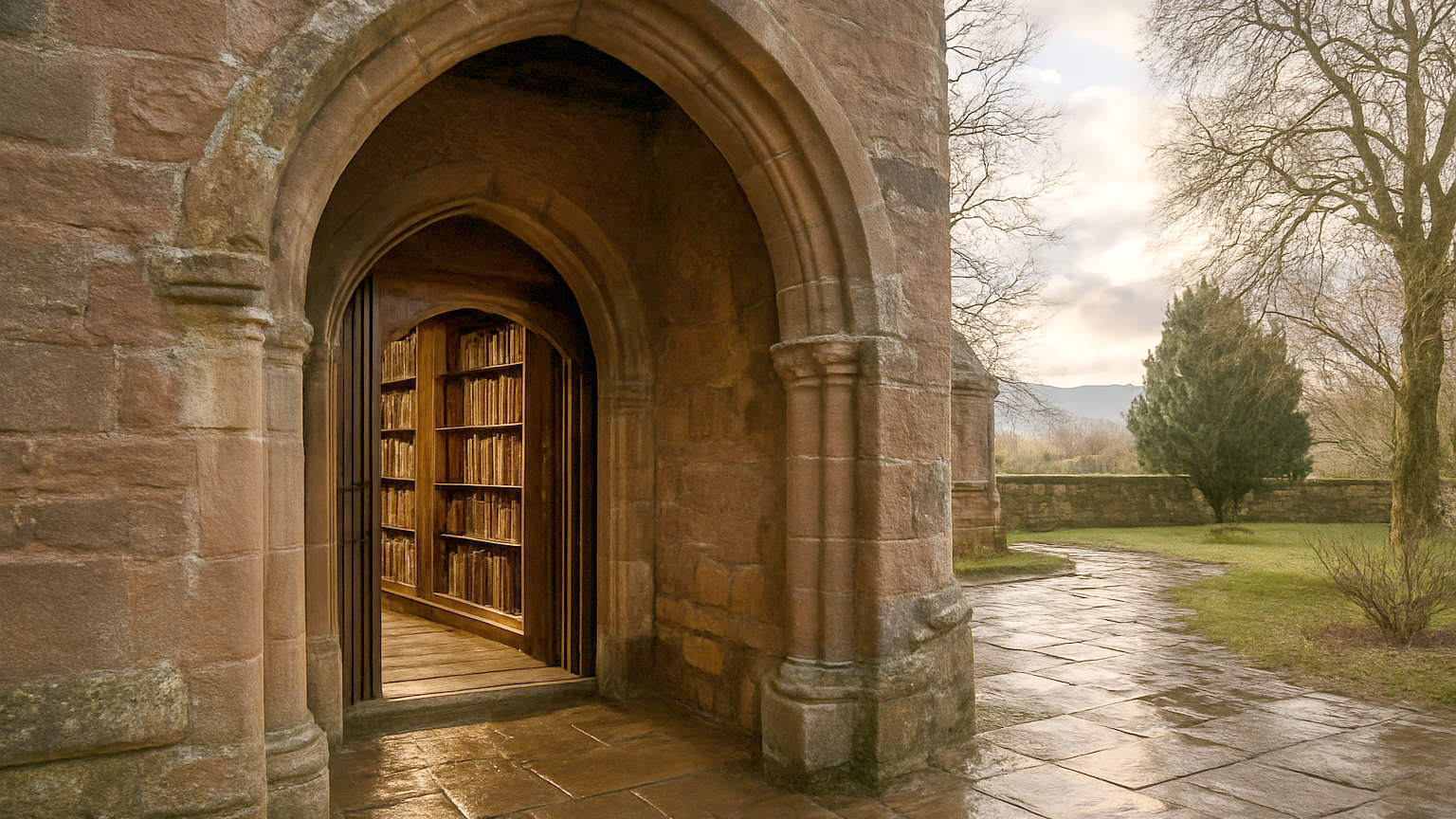
Neolithic burial monuments built of large stones and covered with earth, in which remains were placed communally over generations. Many are now exposed, with the covering mound eroded away, leaving the stone chamber visible.
West Kennet in Wiltshire can be entered. Maeshowe in Orkney is the finest, aligned so the midwinter sun shines down the entrance passage, and holds Norse runic graffiti carved by Vikings who broke in centuries later.
Which stone circles are worth seeking out?
Castlerigg in the Lake District, set in a natural amphitheatre of fells and free to visit. The Rollright Stones on the Oxfordshire border. Stanton Drew in Somerset, the third largest in Britain and almost unvisited.
In Scotland, the recumbent stone circles of Aberdeenshire are a distinct regional type. In Cornwall, the Hurlers and Merry Maidens sit on open moor.
What about hill figures?
The Uffington White Horse in Oxfordshire is the oldest, a stylised figure cut into chalk and dated to the Bronze Age, maintained by scouring for three thousand years.
The Cerne Abbas Giant and the Long Man of Wilmington are later and more contested in date. All are best seen from a distance, which is a common surprise for visitors who walk up to them.
What were these places for?
Honestly, we do not fully know, and any site telling you confidently what a stone circle was for is overstating the evidence. Astronomical alignments are demonstrable at several sites, including midwinter sunset at Maeshowe and Newgrange.
Burial, gathering, ceremony and marking territory all seem to be involved to varying degrees. The uncertainty is part of the appeal rather than a gap to be filled with speculation.
When should you visit?
Early morning and evening, particularly at the free open sites, where you may have a stone circle entirely to yourself. Winter suits them, with low light and bare landscape.
The solstices draw large gatherings at Stonehenge and Avebury, which is either the reason to go or the reason to avoid those dates entirely.
Are they free?
Many are. Avebury, Castlerigg, Callanish, the Rollrights and a great many smaller sites are open access at no charge, often in fields with a lay by nearby.
Stonehenge, Skara Brae and Maeshowe are managed and charge, with Maeshowe requiring a booked guided tour.
What should you take?
Boots, since most sites are in fields and frequently muddy. A map, because several are poorly signed and some are a walk from any road.
Something to read about the site beforehand, since interpretation on the ground ranges from excellent to a single weathered panel.
How should you plan a trip around them?
By area rather than by site, since the monuments cluster. Wiltshire holds Stonehenge, Avebury, Silbury Hill and West Kennet within a few miles. Orkney concentrates four major sites in a small area. Lewis has Callanish and its satellite circles. Choosing one of these landscapes and spending two or three days in it gives a far better sense of the period than driving between isolated monuments in different counties.