The United Kingdom has more than thirty World Heritage Sites, which is a substantial number for a country of its size. The designation recognises outstanding universal value rather than visitor appeal, so some are single spectacular buildings and others are dispersed landscapes where there is no single place to go.
What does the designation actually mean?
That a site has been assessed as being of outstanding universal value and is protected accordingly. It brings no funding in itself and does not guarantee a visitor centre, a car park or anything to see in one place.
It is a conservation status rather than a tourism award, which is why some listed sites are magnificent days out and others are of interest chiefly to specialists.
Which are the most rewarding single sites?
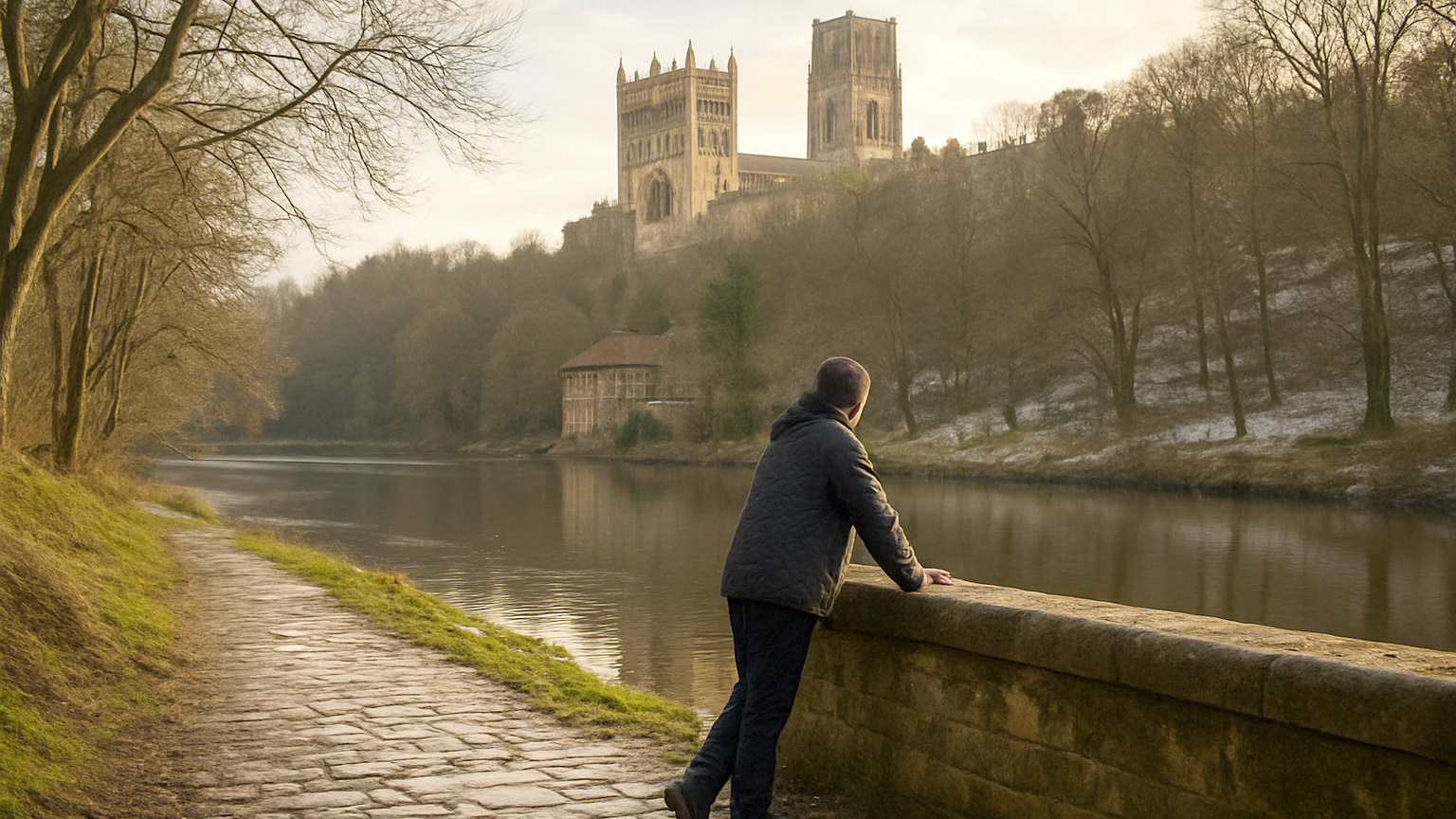
Durham Cathedral and Castle, together on a rock in a river loop, and among the finest Norman buildings in Europe. Blenheim Palace. The Tower of London. Canterbury Cathedral with St Augustine's Abbey and St Martin's Church.
Fountains Abbey with Studley Royal, which combines the largest monastic ruin in Britain with a designed water garden. Maritime Greenwich. The Royal Botanic Gardens at Kew.
Which are the best landscape sites?
The Heart of Neolithic Orkney, covering Skara Brae, Maeshowe and two stone circles within a few miles, which is the most concentrated prehistoric landscape in Britain.
Hadrian's Wall, part of a transnational Roman frontier listing, best experienced along the central crags. The Castles and Town Walls of King Edward in Gwynedd, comprising Caernarfon, Conwy, Harlech and Beaumaris.
Which are industrial?
Several, and they are among the more interesting. Ironbridge Gorge in Shropshire, where iron was first smelted with coke, now a group of separate museums. Blaenavon in south Wales, with ironworks and a colliery you can descend.
The Slate Landscape of Northwest Wales, covering quarries and villages around Blaenau Ffestiniog and Llanberis. New Lanark in Scotland, a model mill village. Saltaire in Yorkshire. Derwent Valley Mills in Derbyshire.
Which are hardest to visit as a single site?
The dispersed ones. Cornwall and West Devon Mining Landscape covers ten separate areas across two counties. The English Lake District is an entire national park.
The Great Spa Towns of Europe listing includes Bath as one of eleven towns across several countries. These are designations over regions rather than places with an entrance.
Has anywhere been removed?
Yes, and it is unusual enough to be worth knowing. Liverpool's Maritime Mercantile City was removed from the list in 2021 following development on the waterfront, making it one of only a small number of sites ever delisted.
The buildings are all still there and the waterfront remains one of the finest in Britain, which is a useful reminder that the designation and the experience are separate things.
Which suit a family visit?
Ironbridge, with several museums including a Victorian town recreation. Blaenavon, where the colliery tour is guided by former miners. The Tower of London.
The Jurassic Coast, where fossil hunting on the beach at Charmouth and Lyme Regis is free and reliably successful for children.
Are they busier because of the listing?
Usually, yes, and several report significant visitor increases after designation. Stonehenge, Bath and the Tower are among the busiest attractions in the country.
The industrial and landscape sites are considerably quieter, and the Welsh slate landscape in particular sees a small fraction of the visitors its interest warrants.
How should you plan a visit?
Check first whether the site is a building, a group or a region, which determines entirely how you approach it. For grouped sites, pick one or two components rather than attempting all of them.
Several are covered by heritage memberships, and the industrial sites frequently offer combined tickets valid for a year, which suits a return visit.
Which are the quietest?
The industrial and landscape listings, almost without exception. The Slate Landscape of Northwest Wales, Derwent Valley Mills, Saltaire and the Cornish mining areas all receive a small fraction of the visitors that Bath, Stonehenge or the Tower attract, despite being equally significant. For anyone who wants a World Heritage Site without a queue, these are consistently the best value and the most surprising.