Britain has an unusual density of literary festivals, several hundred a year, ranging from international events with global authors to weekends in small towns. They are among the more civilised things to plan a trip around, and most are cheap by festival standards.
What actually happens at one?
Individual events, usually an hour, in which an author talks about a book, is interviewed, and takes questions, followed by a signing. Panels, workshops and readings fill out the programme.
Tickets are sold per event rather than for the whole festival, so you build your own schedule and pay for what you attend.
Which is the biggest?
Hay on Wye in Powys, held in late May and early June, which grew from a small event into an international festival drawing major authors, politicians and thinkers over ten days.
The town has a permanent second hand book trade with several large shops, which gives the festival a natural home and makes the place worth visiting outside the festival too.
Which others are substantial?
Cheltenham in October, one of the oldest and largest. The Edinburgh International Book Festival in August, part of the wider Edinburgh festival month. Bath, Oxford, Ilkley and the Borders Book Festival at Melrose.
Wigtown in Dumfries and Galloway holds Scotland's national book town festival in autumn and is delightfully small and remote, which is precisely its appeal.
Are the smaller ones worth it?
Frequently more rewarding. Small festivals have shorter queues, more access to authors and a friendlier atmosphere, and the programming can be surprisingly strong.
Local festivals also tend to feature regional writers and subjects, which for a visitor gives a much better sense of a place than a national event would.
What about specialist festivals?
Several exist and are worth knowing about: crime writing festivals, poetry festivals, science and history events, children's book festivals and festivals of nature writing.
If you have a specific interest, a specialist festival delivers far more than a general one where your subject occupies two events out of two hundred.
When should you book?
As soon as the programme is released, which is typically two to three months ahead. Popular authors sell out within hours of the box office opening.
Members and friends of the festival usually get priority booking, which for the large festivals is worth joining if you attend regularly.
Where do you stay?
This is the practical difficulty at the rural festivals. Hay is a small town hosting an enormous event, and accommodation for miles around books out a year ahead at raised prices.
Camping and glamping fields operate at several festivals. Staying twenty or thirty miles away and driving in is common and usually the only realistic option booked late.
What is the atmosphere like?
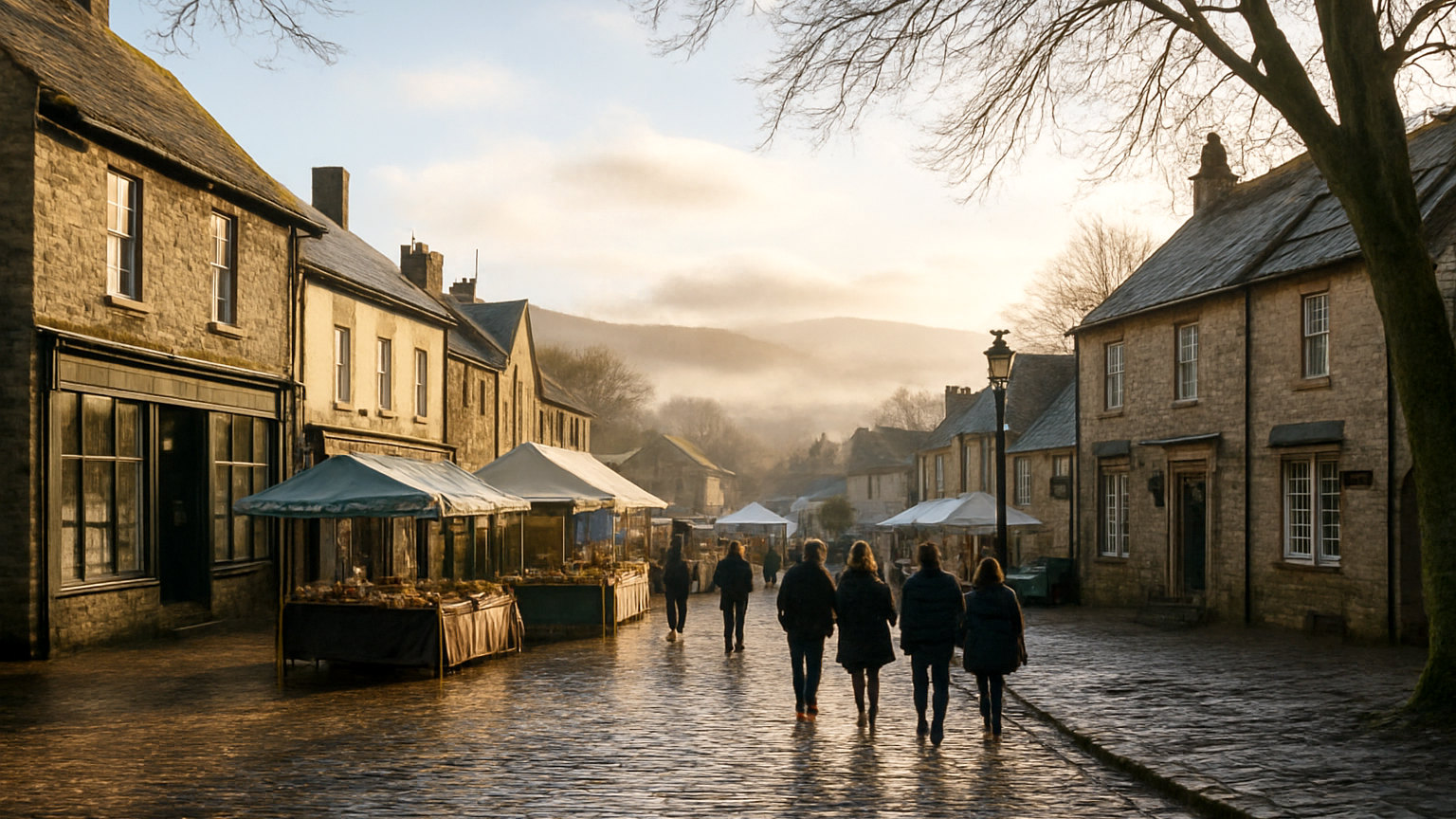
Relaxed and considerably more informal than people expect. Most take place in tents or halls with a festival site, food stalls, bookshops and somewhere to sit between events.
You do not need to have read the book, though the queue for signing suggests otherwise, and buying it at the festival bookshop is the usual approach.
Are they good for children?
Very. Most large festivals run substantial children's programmes with well known children's authors, illustration workshops and events aimed at specific ages.
These sell out fastest of all, particularly during school holidays, so book them before the adult events you want.
What else is there beyond the talks?
Most festivals run workshops on writing, publishing and illustration, which are usually small, bookable separately and considerably more useful than a talk if you write yourself. Several have late night events, music programmes and comedy. The festival bookshop is generally excellent, stocking the full backlist of every author appearing, and signed copies are available whether or not you attended the event.
One further point worth knowing: many festivals record their events and release them as podcasts or streamed video afterwards, sometimes free. If a session you wanted has sold out, or the festival is at the wrong end of the country, checking whether it will be published is worth a minute before giving up on it.