Britain runs several hundred music festivals a year, and they differ enormously in scale, atmosphere and who they suit. Choosing badly is expensive and uncomfortable for three days, so it is worth understanding the categories before buying a ticket.
What are the big greenfield festivals?
Large multi day events on farmland with camping, drawing tens or hundreds of thousands. Glastonbury is the best known and by a distance the largest, effectively a temporary city with a huge range of music, theatre, comedy and other performance.
Reading and Leeds, held simultaneously over the August bank holiday, skew younger and heavier. Download serves rock and metal, and several others cover dance and electronic music.
Which are the mid sized ones?
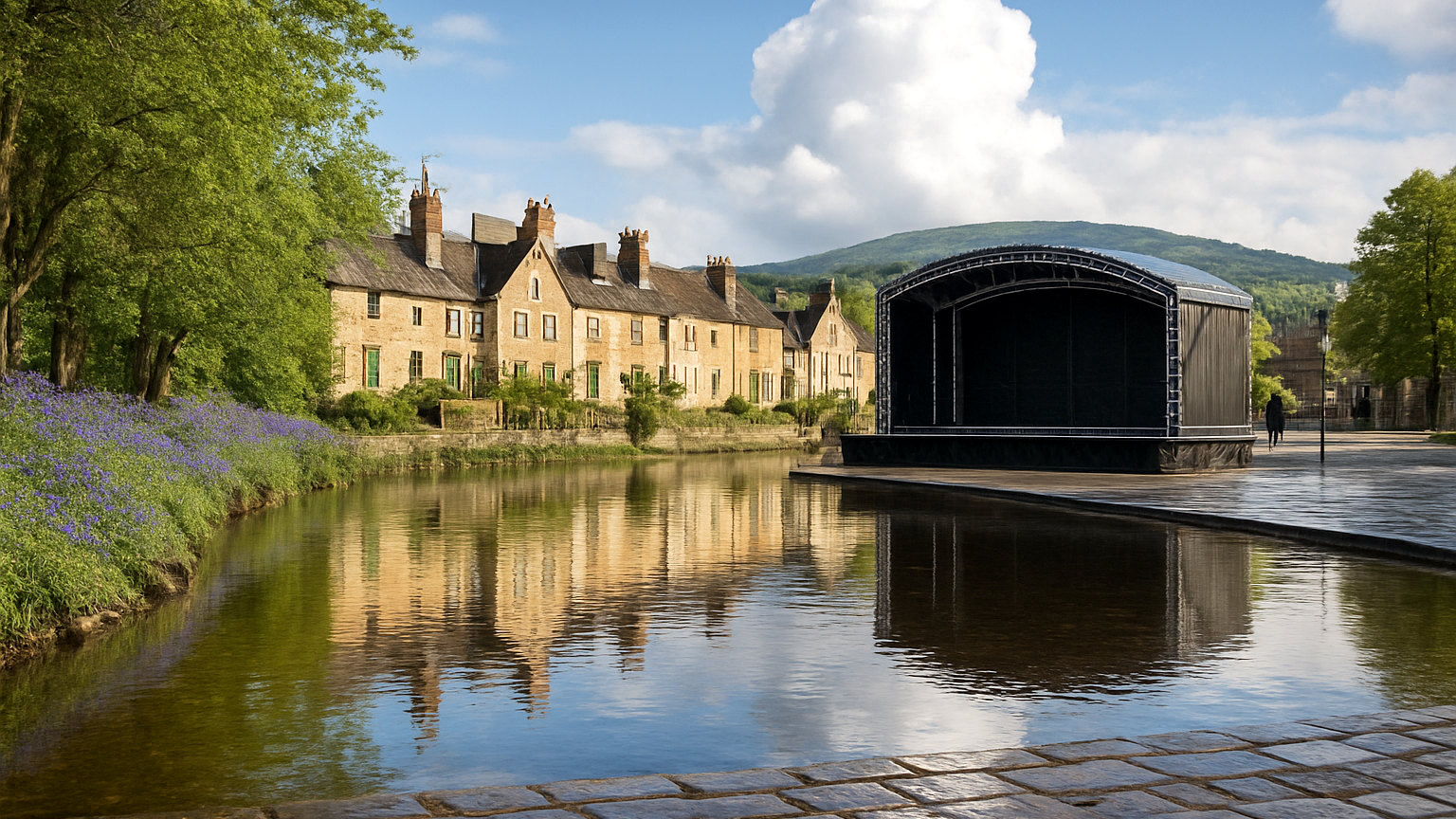
This is where most people have the best time. Green Man in the Brecon Beacons, End of the Road in Dorset, Latitude in Suffolk and Bluedot at Jodrell Bank all hold tens of thousands rather than hundreds, in attractive settings with strong programming.
They are less crowded, easier to navigate and generally have better facilities relative to their size, which over a weekend matters more than the headliner.
Are there family festivals?
Several designed specifically for them, with children's areas, earlier finishing times and quieter camping fields. Camp Bestival and similar events cater to families explicitly.
Many mid sized festivals also work well with children, and Green Man and Latitude both have substantial family provision. The big rock festivals do not.
How do Glastonbury tickets work?
Differently from everything else. You must register in advance with a photograph, well before tickets go on sale, and registration closes some days before the sale. Tickets then go on sale in the autumn for the following summer and sell out in minutes.
A resale of returned tickets happens the following spring. There is no meaningful secondary market, since tickets carry the buyer's photograph and are not transferable, which is deliberate and effective.
What about non camping options?
Plenty. Day tickets are available at many festivals, and city based festivals across multiple venues avoid camping entirely. Several rural festivals allow local accommodation rather than camping.
Camper van and glamping options exist at most large events at a premium, and boutique camping has become a substantial business.
What should you take?
A tent you have put up before, a decent sleeping mat, wellingtons regardless of the forecast, waterproofs, sun cream, ear plugs and more water than you think.
British festivals are muddy with sufficient regularity that footwear is not optional. Bin bags, wet wipes and a battery pack are the small items people are consistently grateful for.
What about safety?
Look after each other, agree a meeting point since phone signal is unreliable in a field with a hundred thousand people, and note where the welfare and medical tents are.
Drink water alongside alcohol, particularly in hot weather, and be aware that festival medical teams deal with heat exhaustion in large numbers. Every festival has a welfare service and using it is entirely normal.
When do tickets go on sale?
Most large festivals sell tickets between September and February for the following summer, often with a loyalty presale for previous attendees. Payment plans are widely available and worth using.
Buy from the official seller or an authorised resale platform only. Secondary market tickets are frequently invalid, and several festivals cancel tickets found to have been resold.
Which should you choose for a first festival?
A mid sized one with camping, in a setting you would enjoy anyway, with a line up where you know several acts rather than one. Three days is a reasonable first commitment.
The biggest events are overwhelming for a first attempt, and a great deal of the enjoyment at a smaller festival comes from being able to walk across the site in ten minutes.
What about weather?
Plan for all of it. British festivals have been held in heat, torrential rain and deep mud, sometimes within the same weekend, and the events go ahead regardless. Wellingtons and waterproofs are not pessimism but basic equipment, and so is sun cream and a hat, since a field offers no shade. Check whether the site is on clay, which turns to a quagmire, or free draining ground, which recovers quickly.