Britain runs hundreds of food festivals a year, ranging from a marquee of local stalls on a village green to substantial events drawing tens of thousands. A handful are worth planning a weekend around, and the difference is usually whether producers or caterers dominate.
What separates a good one?
Producers selling their own food rather than a field of caterers selling hot food to eat on the spot. The best festivals are markets first and street food second.
Also demonstrations and talks worth attending, a setting that suits the crowd, and a genuine connection to the region rather than the same touring stalls that appear everywhere.
Which are the major ones?
Abergavenny in Monmouthshire, held in September and widely regarded as the best in Britain, taking over the whole town with producers, chefs and talks.
Ludlow in Shropshire, held in September, which effectively created the modern British food festival. Both are producer led rather than catering led and both are worth travelling for.
What about seafood festivals?
Whitstable Oyster Festival in Kent in July, which combines the oysters with a week of events and processions. Falmouth Oyster Festival in October, marking the start of the traditional dredging season.
Padstow, Newlyn and several other fishing ports run festivals through the summer, and these are frequently the best value since the produce is landed a few hundred metres away.
Are the large commercial shows worth it?
The big touring consumer food shows offer celebrity chef demonstrations and a large number of exhibitors, and they suit anyone who wants that format.
They are less good for regional character, since the same exhibitors appear at every venue. For a sense of a place, a smaller local festival gives more.
What about drink festivals?
Beer festivals run year round across the country, from village events to large regional ones, and are usually inexpensive with third pint measures allowing wide sampling.
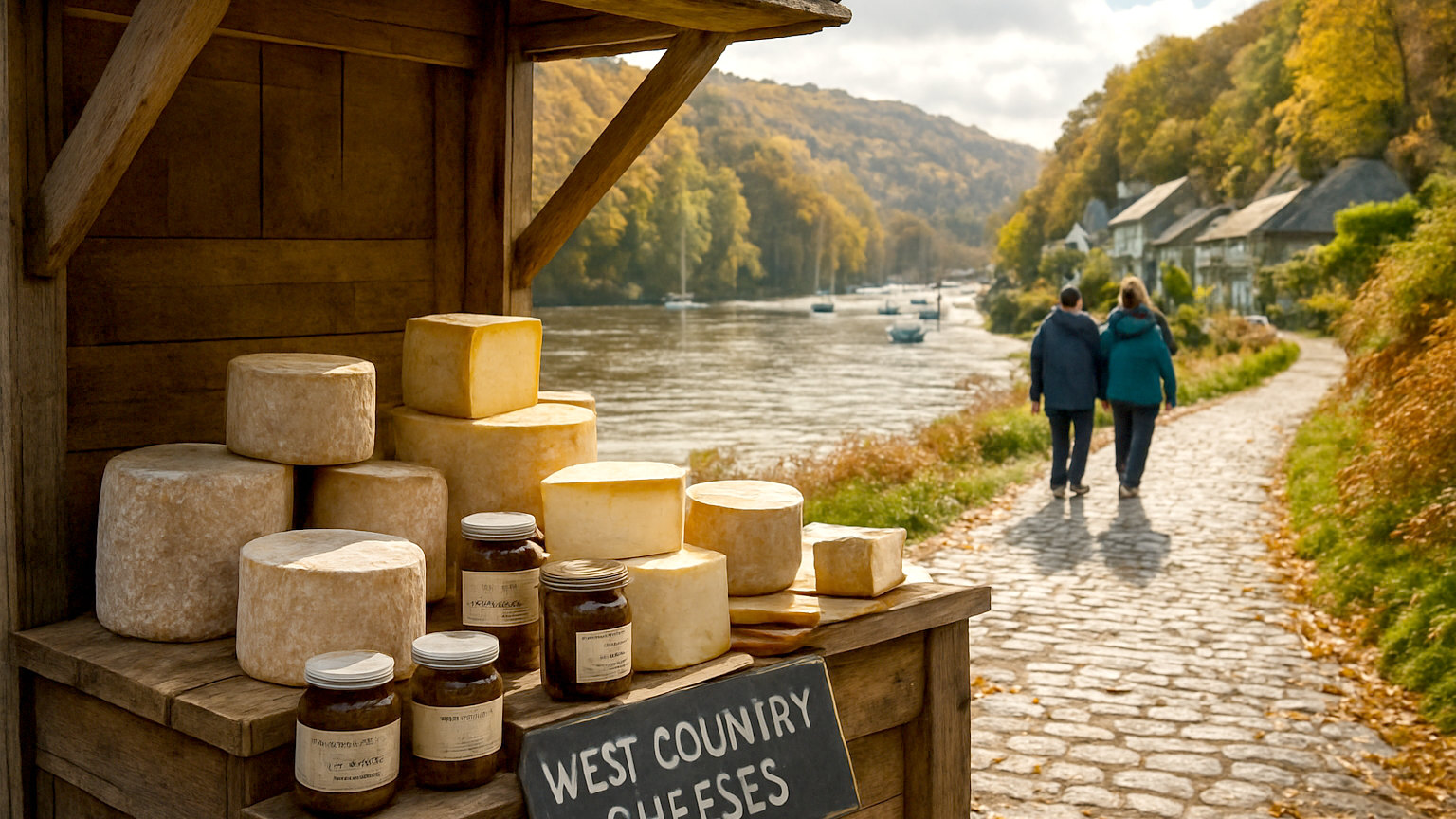
Cider festivals in the West Country, wine events at vineyards in summer, and whisky festivals in Scotland, particularly the Islay and Speyside festivals in spring, which book out a year ahead.
When do they happen?
Overwhelmingly between May and October, clustering in September and early October at harvest. Christmas markets fill the December slot.
The autumn concentration means several good festivals fall on consecutive weekends, which is worth checking if you are planning a trip around one.
What should you know before going?
Whether tickets are needed and whether they sell out, which the major ones do. Parking, which is frequently the weak point, with park and ride operating at the larger events.
Whether dogs are allowed, whether it is cashless, and whether the demonstrations require separate booking, which they usually do.
How should you approach the day?
Walk the whole thing once before buying anything, since the same product often appears at several stalls at different prices. Bring a cool bag for anything perishable.
Eat early, before the queues build. Talk to the producers, who are almost always the people who made the food and are the best source of information at any festival.
Are they good for families?
Generally yes, and the larger ones have children's cookery activities and entertainment. They are also crowded, which with a pushchair on grass in September can be hard work.
Going at opening rather than midday makes a substantial difference, as does choosing a smaller local event over a headline one.
How do you find local ones?
County council and tourist board listings, farm shop noticeboards and local food networks, which run far more events than any national listing captures. Most counties have a food and drink association publishing a calendar. A small local festival on a village green frequently offers better producers and less competition for a table than a headline event, and costs nothing to enter.
Finally, treat the festival as the reason to visit a place rather than the whole of it. Abergavenny sits beneath the Black Mountains, Ludlow has a castle and a river walk, and the coastal seafood festivals are in towns worth a night anyway. A weekend built around a festival and its surroundings works far better than a day trip in and out.