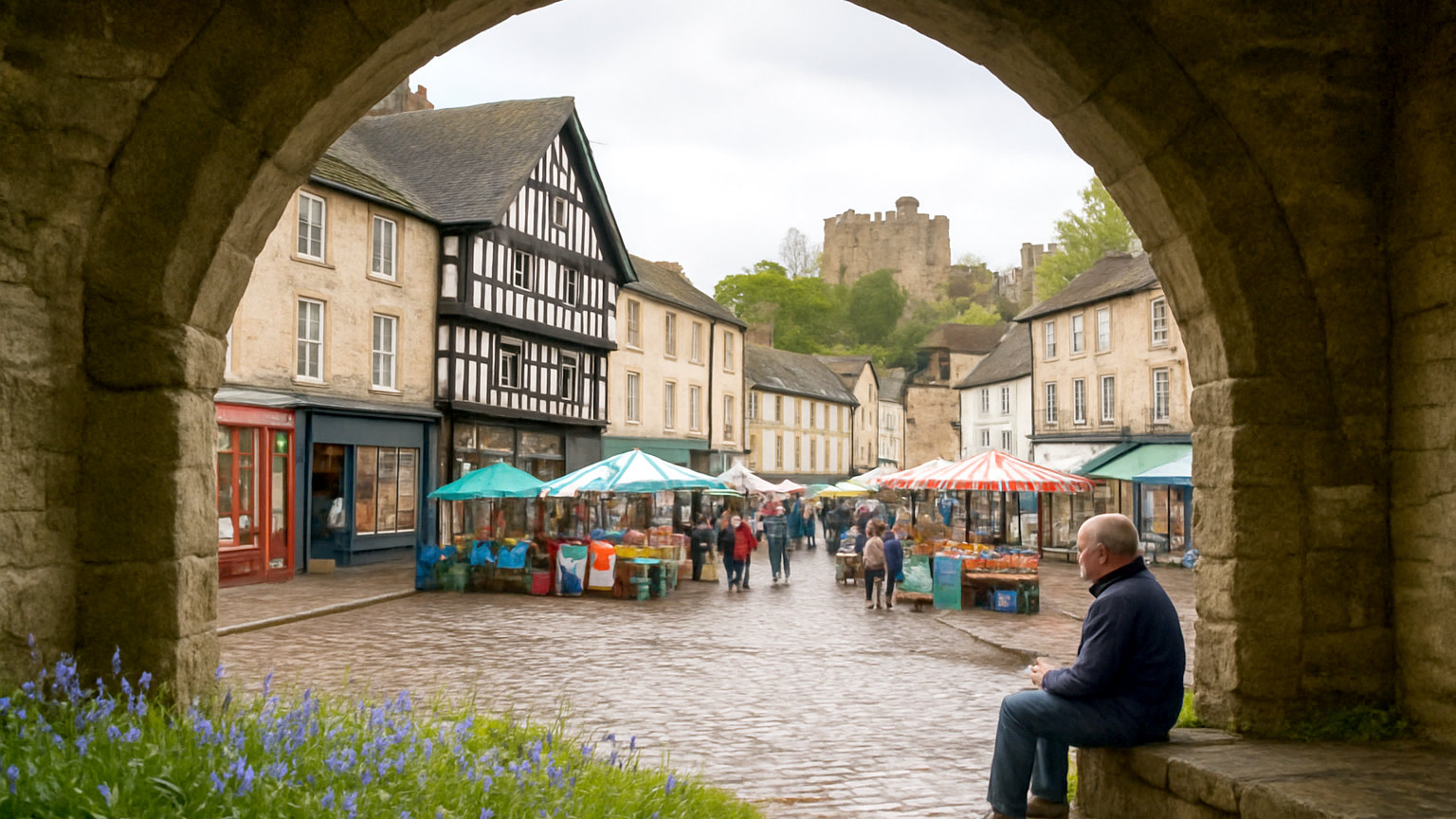
British high streets have converged on the same set of chains, which makes the places that have resisted it disproportionately interesting. A handful of cities and a larger number of small towns retain streets where most of the businesses are owned by the people running them.
Which city has the strongest independent scene?
Bristol has a good claim. Gloucester Road is frequently described as one of the longest continuous stretches of independent shops in Europe, running for well over a mile with butchers, bakers, delis, bookshops and hardware stores.
The city also has the Bristol harbourside, the Bedminster area and Stokes Croft, each with a distinct character and very few chains.
What about Manchester?
The Northern Quarter, once the wholesale textile district, now the centre of independent retail in the city: record shops, vintage clothing, bookshops, small galleries and bars in converted warehouses.
Afflecks, a multi storey building subdivided into dozens of small independent stalls and shops, has operated for decades and is an institution in its own right.
Which other cities are strong?
Edinburgh's Stockbridge and Bruntsfield, both village like areas with delis, bookshops and boutiques. Glasgow's west end around Finnieston and Byres Road.
Norwich, where the Lanes form a network of medieval streets almost entirely independent. Brighton's North Laine. Cardiff's Victorian arcades, which hold most of the city's independents.
Which small towns are best?
Frome in Somerset, where Catherine Hill and the surrounding streets are almost entirely independent and a monthly market takes over the town. Totnes in Devon, Hebden Bridge in Yorkshire, Lewes in Sussex and Stroud in Gloucestershire.
These places share a pattern: a strong local identity, an active community and, usually, a history of resisting a supermarket or a chain development.
What kinds of shops are these?
Record shops, which have recovered strongly with vinyl sales. Independent bookshops. Delis and greengrocers. Zero waste and refill shops. Craft, ceramics and print studios with retail attached.
Also the traditional trades that chains do not cover: cobblers, ironmongers, haberdashers and repair shops, which survive better in these areas than anywhere else.
Why do some places keep them?
Cheaper rents in secondary streets, a local population that uses them, and in several cases active local campaigning against chain development. Several towns have formal policies favouring independent retail.
Where an area becomes fashionable, rents rise and the independents that created the character are frequently displaced, which has happened in parts of London and Manchester.
When should you go?
Weekdays and Saturday mornings, since a good many independents close on Sundays and Mondays and several keep shorter hours than chains.
Check before travelling for anything specific. Small shops close for holidays, illness and family reasons without notice, which is part of the deal.
What should you buy?
Things made locally, which is what these streets are actually good for: pottery, prints, food, books by regional publishers, and clothing from small makers.
They are not usually the place for cheap versions of things you can get anywhere, and buying on that basis will disappoint.
Do they cost more?
Frequently, and sometimes less. Independent greengrocers and butchers often undercut supermarkets on quality for the price, while a small clothing or homeware shop cannot compete with volume retail on cost.
What you get instead is a person who knows the stock, will order things and remembers you, which is the reason they survive at all.
How do you find them?
Look for the streets slightly off the main shopping centre, since chains take the prime pitches and independents cluster one street back. Local independent business associations publish maps in several towns.
Ask in a coffee shop, which is the most reliable method anywhere and will produce better recommendations than any listing.
A final point worth making: these areas change. The independent quarter that defined a city ten years ago may have been priced out, and a different neighbourhood will have taken its place. Guides date quickly here, so a recent local source beats an article of any age, including this one.