A farmers market is not simply a market selling food. The defining principle is that the person selling produced it, within a defined distance, which distinguishes it from a general market where traders buy wholesale and resell.
How does certification work?
A national association operates a certification scheme with criteria covering the origin of produce, the distance it has travelled and the requirement that the producer or their staff attend the stall.
Certified markets display this, and it is a reasonable guarantee that what you are buying was grown or made locally. Uncertified markets may follow the same principles or may not.
Which are the best?
Stroud in Gloucestershire, repeatedly recognised as among the best in the country, held on Saturdays with a strong producer base. Winchester, one of the largest, running twice monthly.
Bath, Alnwick, Perth and dozens of city markets in London including Borough's producer stalls and neighbourhood markets across the capital.
What should you buy?
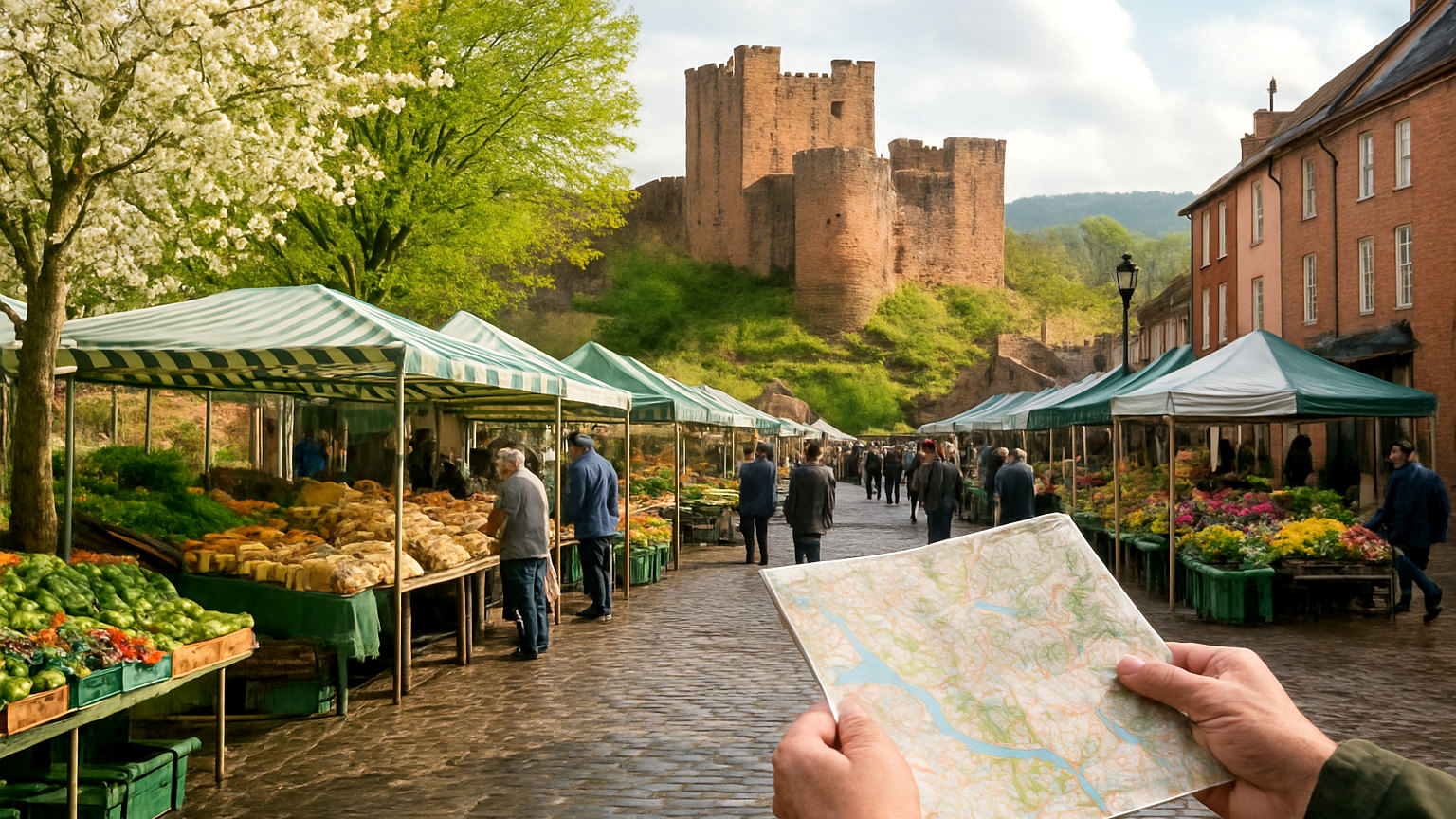
Whatever is in season, which is what the stalls will be full of. Meat direct from a farm, unpasteurised cheese, eggs, seasonal vegetables, bread baked that morning and preserves.
Also things supermarkets do not carry: unusual apple varieties, mutton, game in season, raw milk where permitted, and vegetables grown for flavour rather than shelf life.
Is it more expensive?
Sometimes, and less often than people assume. Meat bought direct in larger quantities is frequently cheaper than supermarket equivalents of comparable quality, and seasonal vegetables at the end of the morning can be very cheap.
What you are paying for, where prices are higher, is production at a scale that cannot compete on cost, which is the point of the market.
When should you go?
Early for the best choice, particularly for bread, which sells out, and for anything in short supply. Late for reductions, since producers would rather sell than transport things home.
Most markets run for three or four hours on a weekend morning, and the busiest hour is usually the middle.
How do you get the most from it?
Talk to the producers, who are the people who grew or made the food and will tell you how to cook it, when it will be at its best and what is coming next month.
This is the substantial difference from a supermarket and the reason regular customers return. Ask what they would buy today.
What should you take?
Bags, a cool bag for meat and dairy, and cash, though card readers are now widespread. Small notes help, since stalls run out of change early.
Go with a rough plan rather than a fixed list, since buying what is good on the day works far better than looking for specific items.
How do they differ from artisan markets?
Artisan and street food markets sell prepared food, crafts and manufactured goods, and the producer requirement may not apply. They are enjoyable and are a different thing.
A market advertising itself as artisan or continental is generally not a farmers market, and the produce may have travelled a considerable distance.
Are they good for visitors?
Very, particularly for anyone self catering. A farmers market provides a week's food of considerably better quality than the nearest supermarket, and it gives a sense of what the region actually produces.
They are also free to attend and pleasant to walk round without buying anything.
How do you find one?
The national association publishes a searchable list of certified markets by region, which is the reliable starting point. Local authority and tourist board listings cover the rest.
Most run monthly or fortnightly on a fixed date, so a market may not be on during your visit. Checking before travelling is worth the minute it takes.
One last thought: markets are also a reasonable way to plan a day. Many are held in towns worth visiting anyway, and combining a Saturday morning market with a walk and a pub lunch makes a better day out than the shopping alone would suggest. The producers will tell you where to eat locally, and their recommendations are usually sound.