Carlisle sits ten miles from the Scottish border and has been besieged more often than any other place in England. It was a Roman garrison town, a medieval frontier fortress and the centre of a lawless border region for three hundred years, and its museums cover all of it well.
What is at the castle?
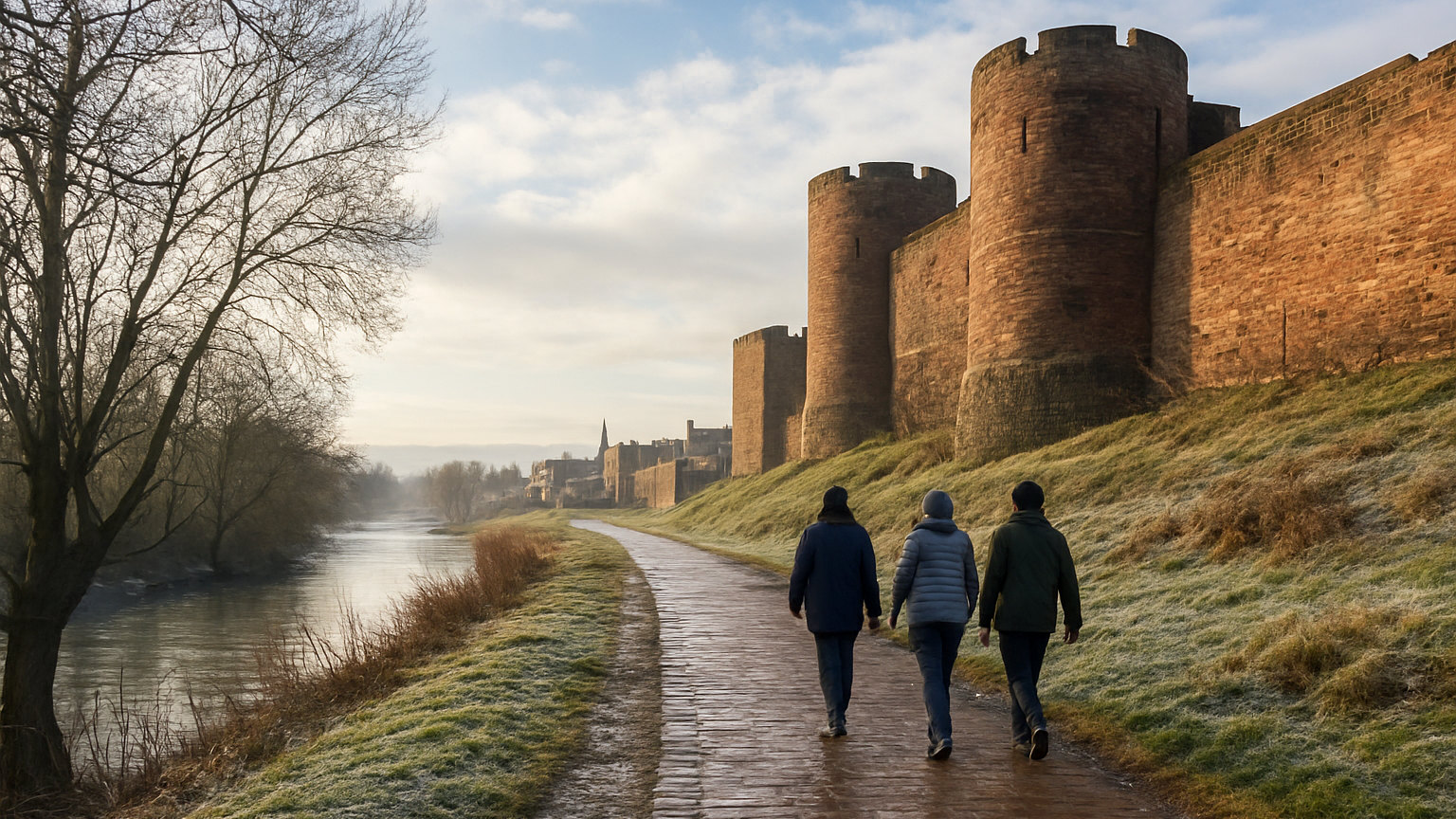
A Norman fortress in red sandstone, continuously garrisoned for over nine hundred years, with a keep, curtain walls and a warren of chambers and passages.
Mary Queen of Scots was held here in 1568, and the castle was besieged repeatedly, including during the Jacobite rising of 1745.
What are the licking stones?
Stones in a cell wall said to have been licked by Jacobite prisoners held without water, worn smooth by the practice, which the castle points out to visitors.
The carvings made by earlier prisoners in an upper chamber, showing heraldic beasts and figures, are the more remarkable survival.
What is Tullie House?
The city museum, in a Jacobean house with modern extensions, covering Roman Carlisle, the border reivers and the natural history of Cumbria.
The reiver gallery is the strongest part and explains a period that shaped the whole border country and left the language with several common words.
Who were the reivers?
Raiding families on both sides of the border who stole livestock, took hostages and pursued feuds for around three centuries, largely beyond the control of either crown.
Their surnames are still common in the area. The words blackmail and bereaved both come from this period, and fortified farmhouses called bastles survive across the borders.
What is the cathedral like?
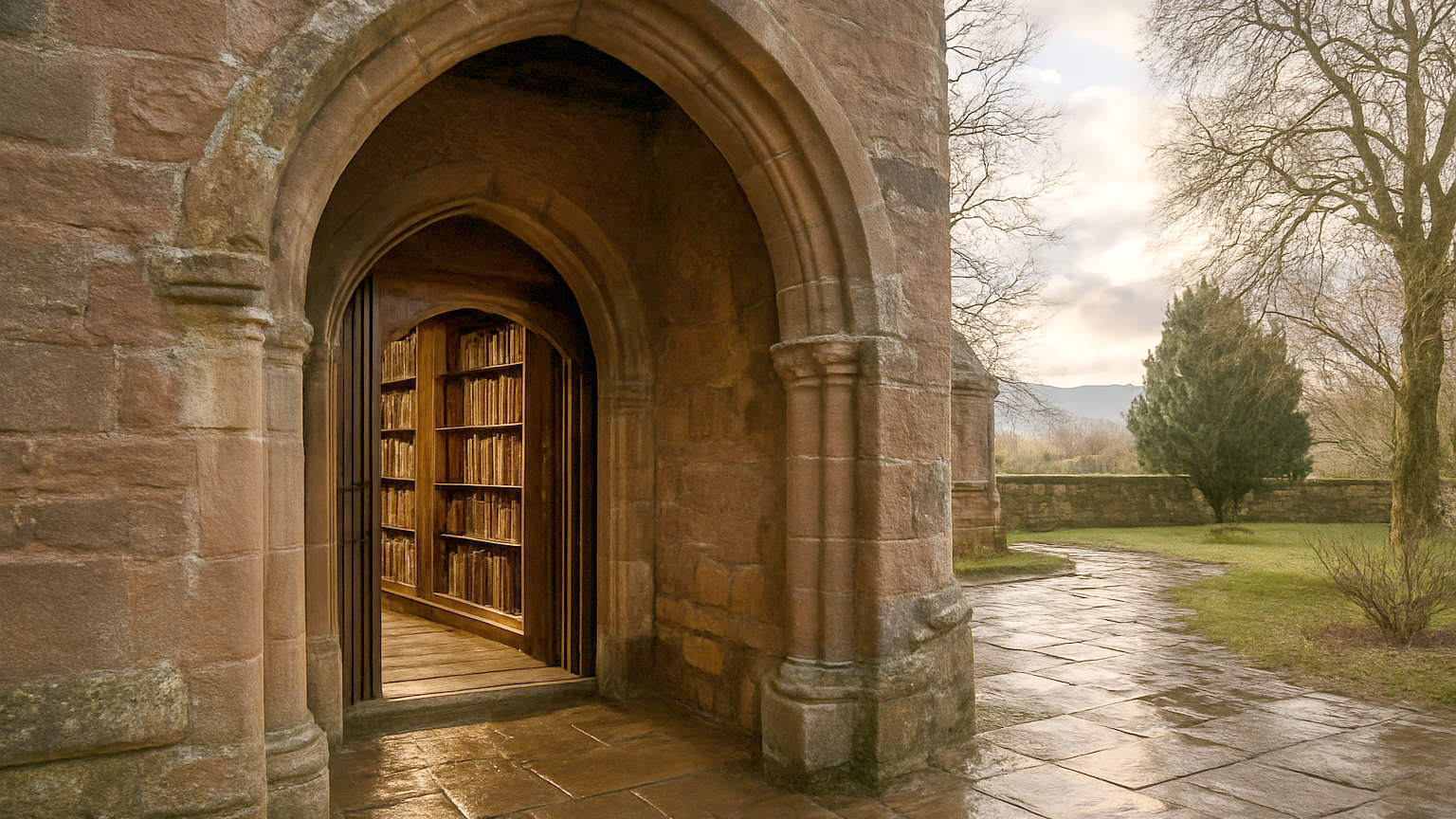
Small, having lost most of its nave during the civil war when the stone was taken to repair the castle, and holding an east window with the finest flowing tracery in England.
The painted ceiling is a Victorian restoration of the medieval scheme, and it is free to enter.
Where is Hadrian's Wall from here?
The western end runs to the Solway at Bowness, and the wall passed through Carlisle itself, where the fort of Luguvalium stood.
Little is visible in the city and the excavated material is in Tullie House. The better preserved sections lie east towards Hexham.
What is the Settle to Carlisle line?
A railway across the Pennines, built in the 1870s at great cost, crossing the Ribblehead viaduct and climbing to over three hundred and fifty metres.
It is a working line with ordinary fares, and it is among the finest railway journeys in England. Trains run several times a day from the city station.
What is the city itself like?
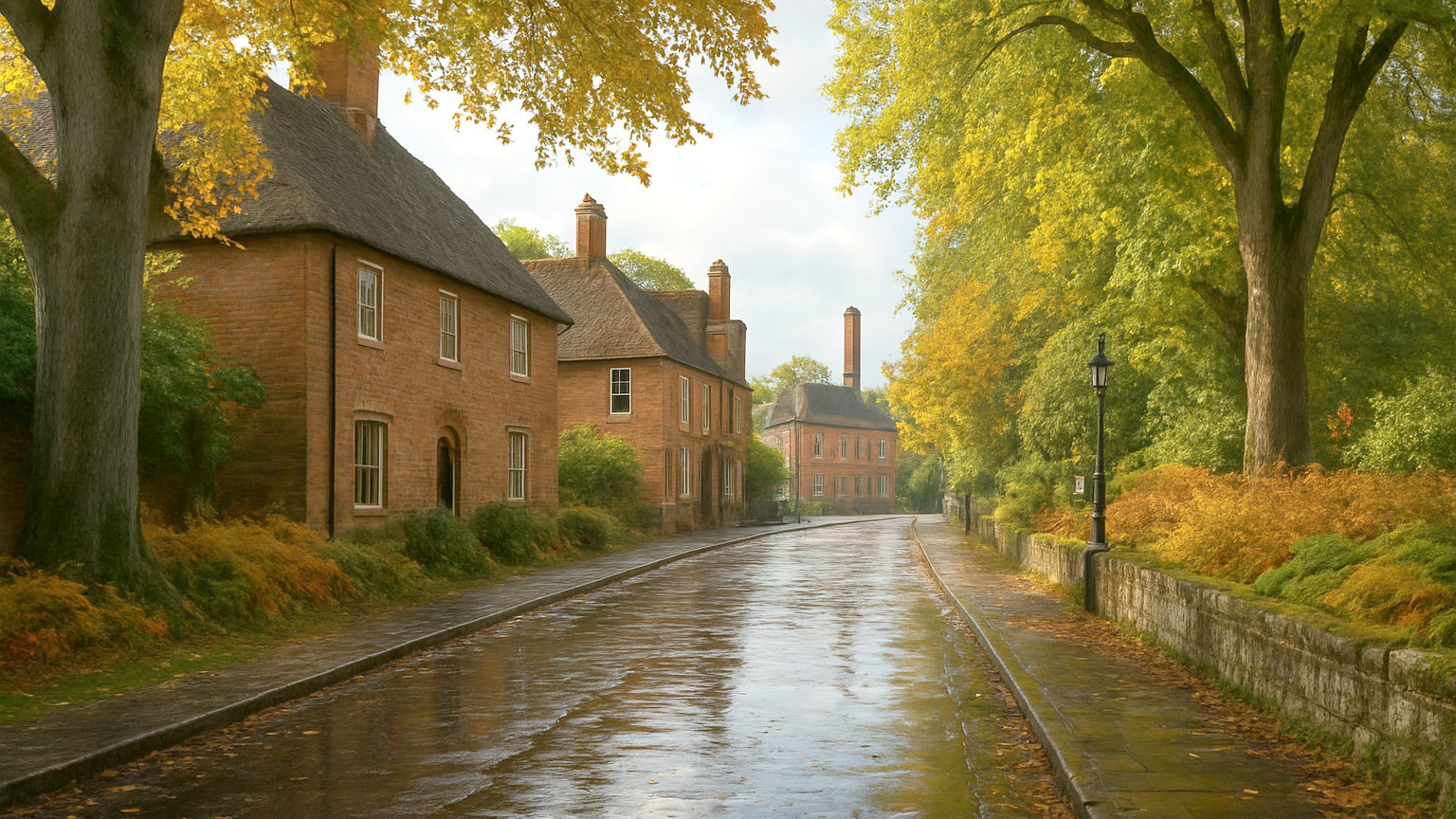
A compact centre with a market cross, a covered market, Victorian civic buildings and a good deal of red sandstone.
It is a working city rather than a tourist town, which means reasonable prices and a lack of crowds.
What is nearby?
The northern Lake District within half an hour, which makes Carlisle a practical and much cheaper base than Keswick.
The Solway coast, the Eden valley, the North Pennines and the Scottish borders, all within an hour and all very quiet.
How do you get there?
By train on the west coast main line, with London around three and a half hours and Glasgow an hour and a quarter.
It is a major junction, with lines to Newcastle, Settle, the Cumbrian coast and Dumfries.
How long do you need?
A day for the castle, Tullie House and the cathedral, and longer if using it as a base for the Lakes, the wall or the borders.
It is among the least visited English cities of its size, and considerably more interesting than that suggests.
What about the railway history?
Carlisle was once served by seven separate railway companies and the station reflects that, being far grander than a city of this size would otherwise justify. It remains a junction for several routes, including the Cumbrian coast line and the Tyne Valley line to Newcastle, both of which are scenic and both of which are ordinary services rather than heritage operations.