Leicester is among the most diverse cities in Britain and made international news in 2012 when the remains of Richard the Third were found beneath a council car park, exactly where a researcher had predicted. The city has built well on that, and it has considerably more besides.
What is the Richard III centre?
A museum on the excavation site, covering the king, the battle at which he died in 1485, the search and the scientific identification of the remains.
The grave itself is displayed beneath a glass floor at the end. The forensic and genealogical work that confirmed the identity is explained in detail and is genuinely gripping.
Where is he buried now?
In Leicester Cathedral across the road, reinterred in 2015 under a tomb of Swaledale fossil stone, after a legal dispute about whether York had the better claim.
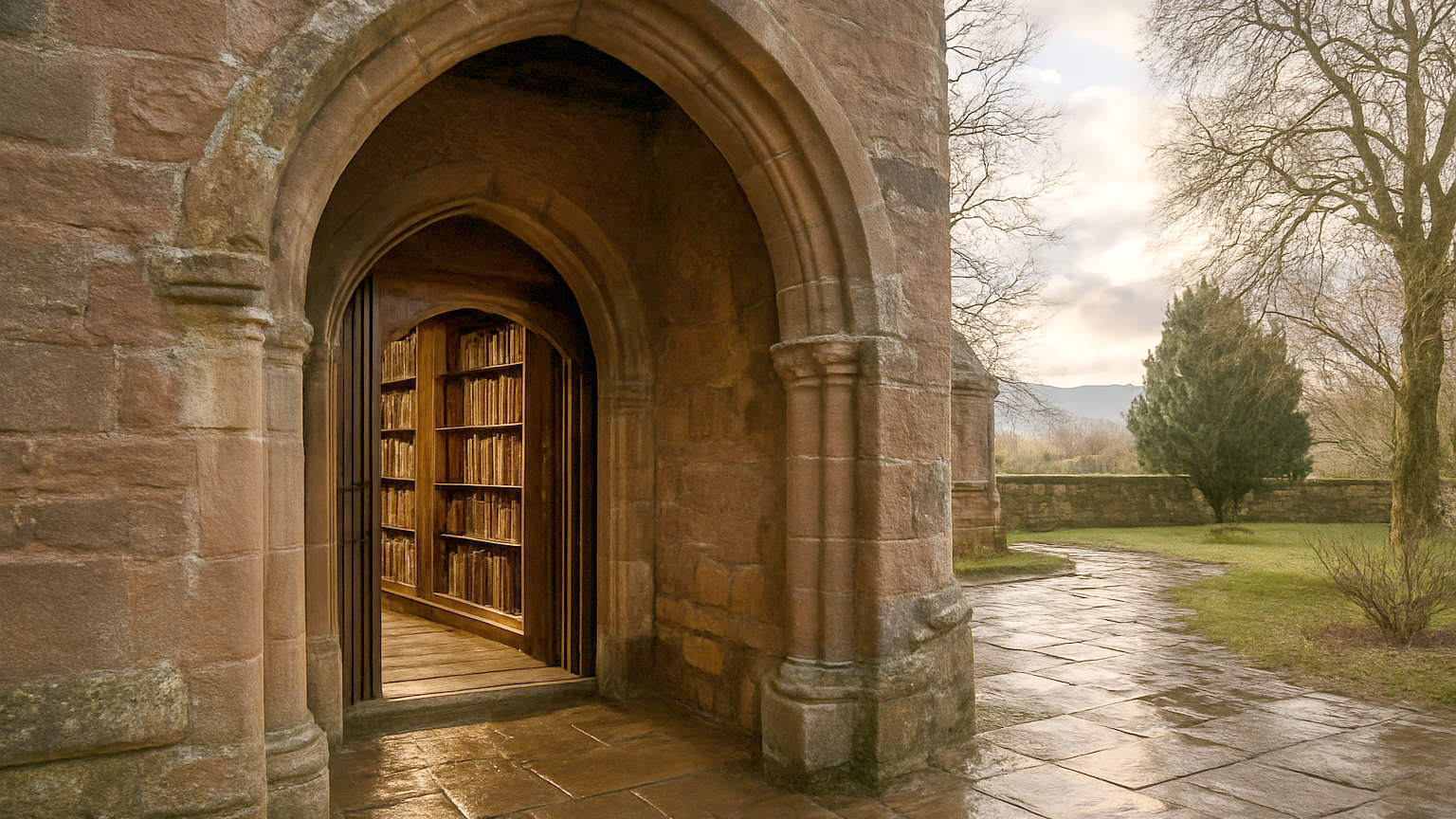
The cathedral is small, free and worth the ten minutes it takes to visit alongside the centre.
What is the Jewry Wall?
A substantial section of Roman masonry standing over seven metres high, part of the public baths of Roman Leicester, and among the largest surviving pieces of Roman civil building in Britain.
The excavated bath foundations lie in front of it, with a museum alongside covering the Roman and medieval city.
What is at New Walk Museum?
The city museum, free, holding dinosaurs, Egyptian material and a collection of German Expressionist art assembled in the 1940s that is the most important of its kind in Britain.
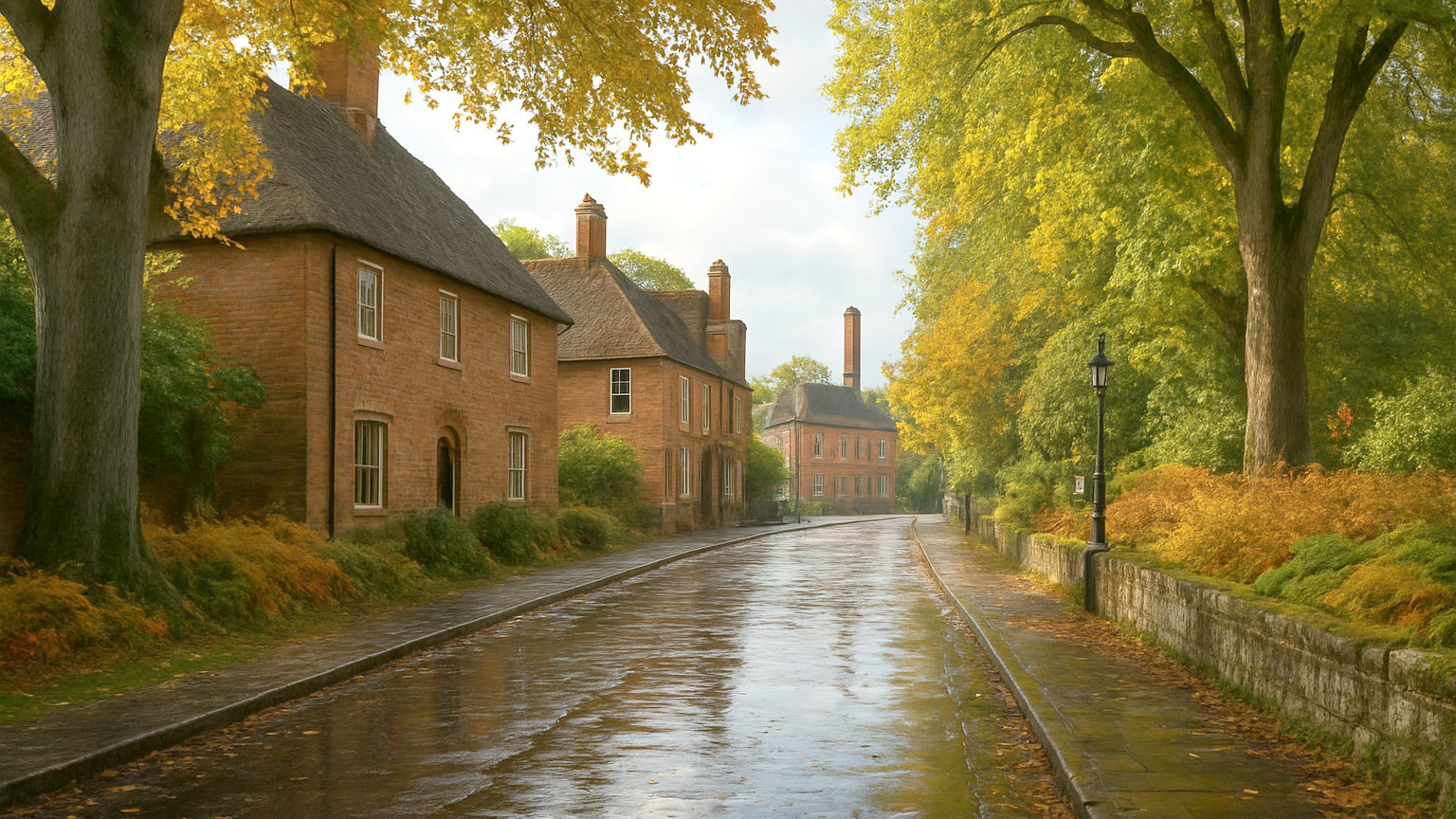
It sits on a Georgian pedestrian promenade laid out in 1785 that still runs from the centre and is worth walking for itself.
What is the National Space Centre?
A large science attraction north of the centre with rockets displayed in a transparent tower, a planetarium and substantial hands on galleries.
It is ticketed, aimed largely at families and is among the better science museums outside London.
What is the Golden Mile?
A stretch of Belgrave Road lined with South Asian restaurants, sweet shops and jewellers, serving predominantly vegetarian Gujarati food of a standard hard to find elsewhere in Britain.
Eating here is one of the main reasons to visit the city, and it is inexpensive.
What happens at Diwali?
Leicester holds one of the largest Diwali celebrations outside India, with lights switched on along Belgrave Road and very large crowds attending over several weeks in autumn.
It is free, public and welcoming, and the dates move each year with the Hindu calendar.
What is the football connection?
The city's club won the Premier League in 2016 having begun the season as extreme outsiders, which is regarded as among the most improbable results in the history of the sport.
Stadium tours run and the achievement is still visible around the city.
What is nearby?
Bradgate Park, a medieval deer park with ancient oaks and the ruins of the house where Lady Jane Grey grew up, free to walk and a short bus ride out.
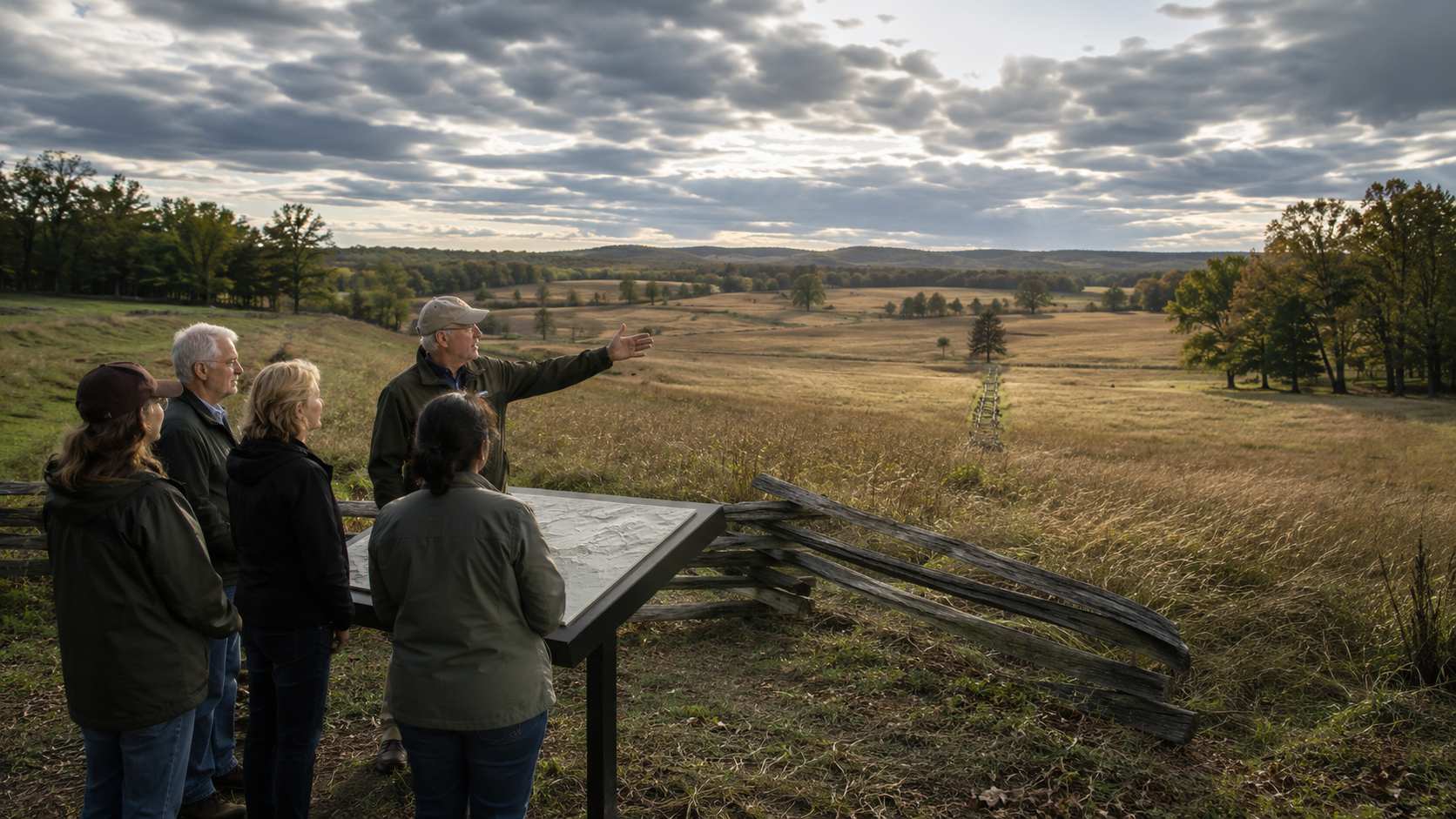
Bosworth battlefield to the west, Rutland Water to the east, and the Peak District within an hour and a half.
How do you get there?
By train from London St Pancras in around seventy minutes, with the station a short walk from the centre.
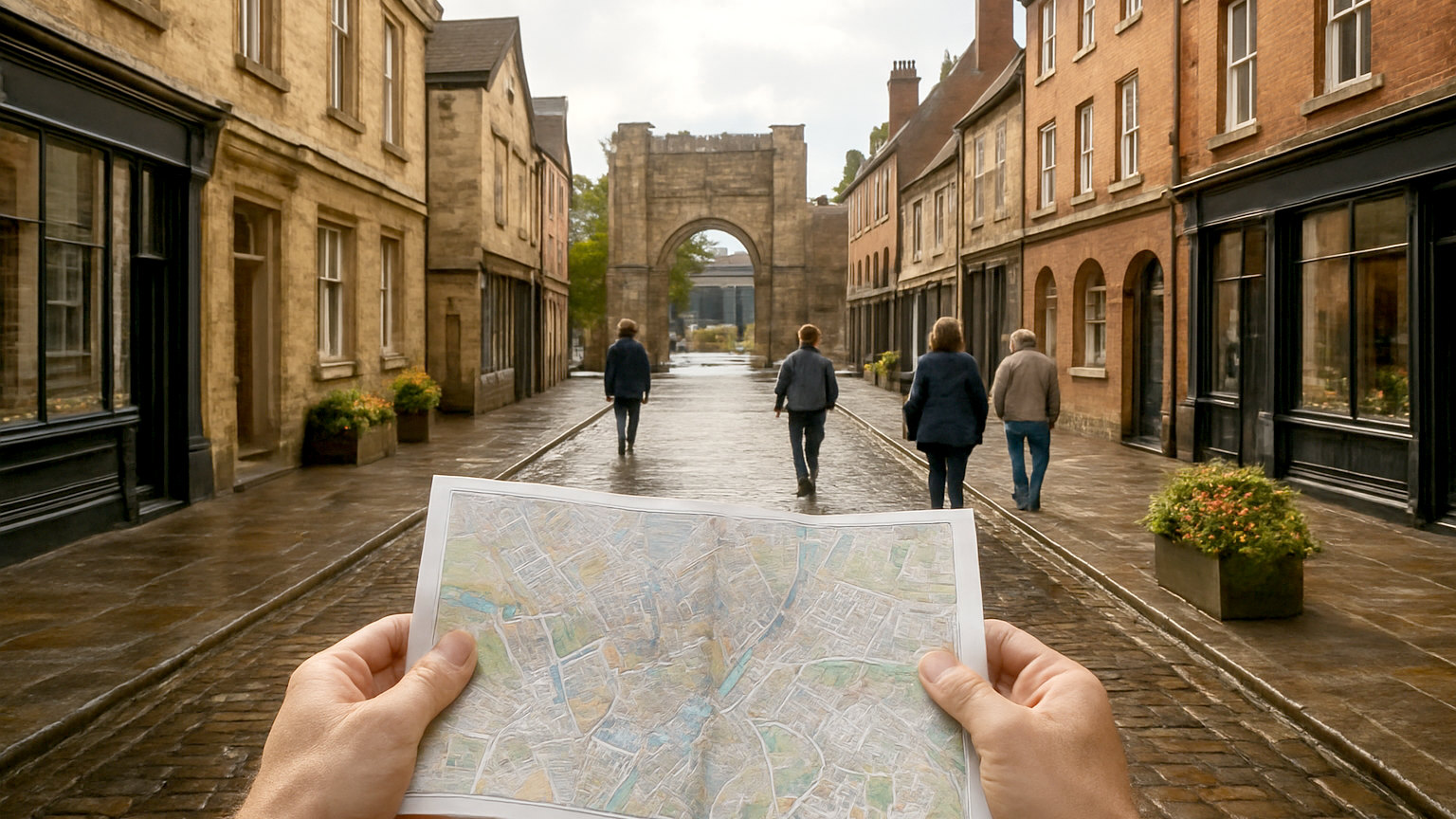
The city is compact and everything except the Space Centre and Bradgate is walkable.
How long do you need?
A day for the Richard III centre, the cathedral, Jewry Wall and New Walk, with an evening on the Golden Mile.
Two nights if you want the Space Centre or Bradgate as well, and accommodation is inexpensive.
What about the market?
Leicester Market claims to be the largest covered outdoor market in Europe and has traded on the same site for around eight hundred years, with produce, fabric and general goods. It sits beside the Corn Exchange in the centre and is the cheapest place in the city to assemble lunch.
What about the city's diversity?
Leicester is among the most diverse cities in Britain, with substantial South Asian, Eastern European and East African communities, several of the last arriving after expulsion from Uganda in 1972. That history is covered at New Walk and is visible in the food, the festivals and the places of worship, which include one of the largest Jain temples outside India.