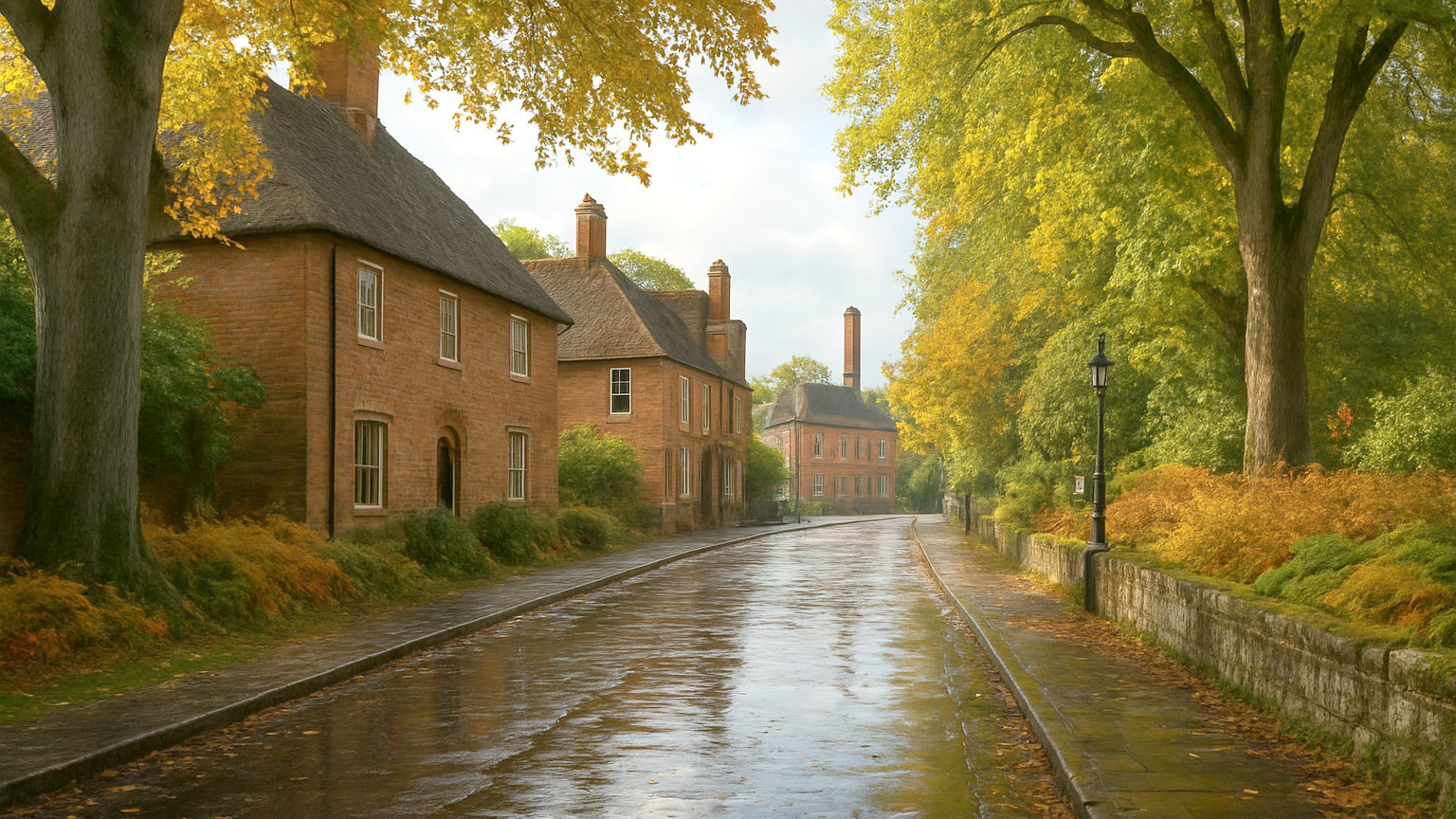
An open air museum is a collection of buildings rather than objects. Historic structures are dismantled from their original sites, transported and rebuilt, then furnished and staffed to a particular period. The result is somewhere you walk through rather than round, and they are among the most successful museums in Britain at holding a family for a whole day.
How do they work?
Buildings that would otherwise be demolished are recorded, taken apart, moved and reconstructed. A single site might hold a farmhouse from one century, a chapel from another, a row of miners' cottages and a working shop.
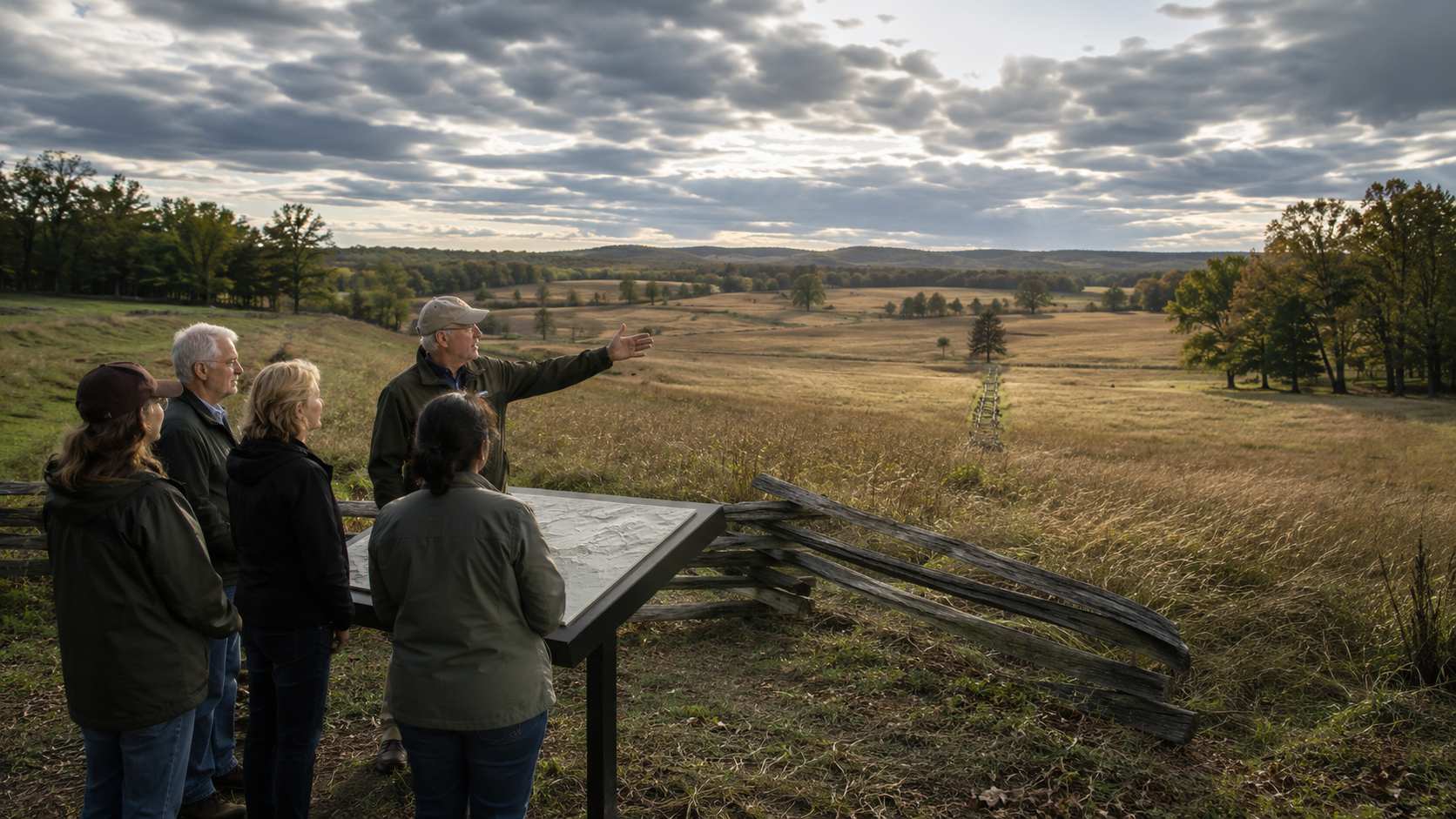
Staff in period dress occupy the buildings, demonstrating trades and answering questions, usually in character to varying degrees. The better ones are genuinely knowledgeable rather than performing.
Which are the main ones?
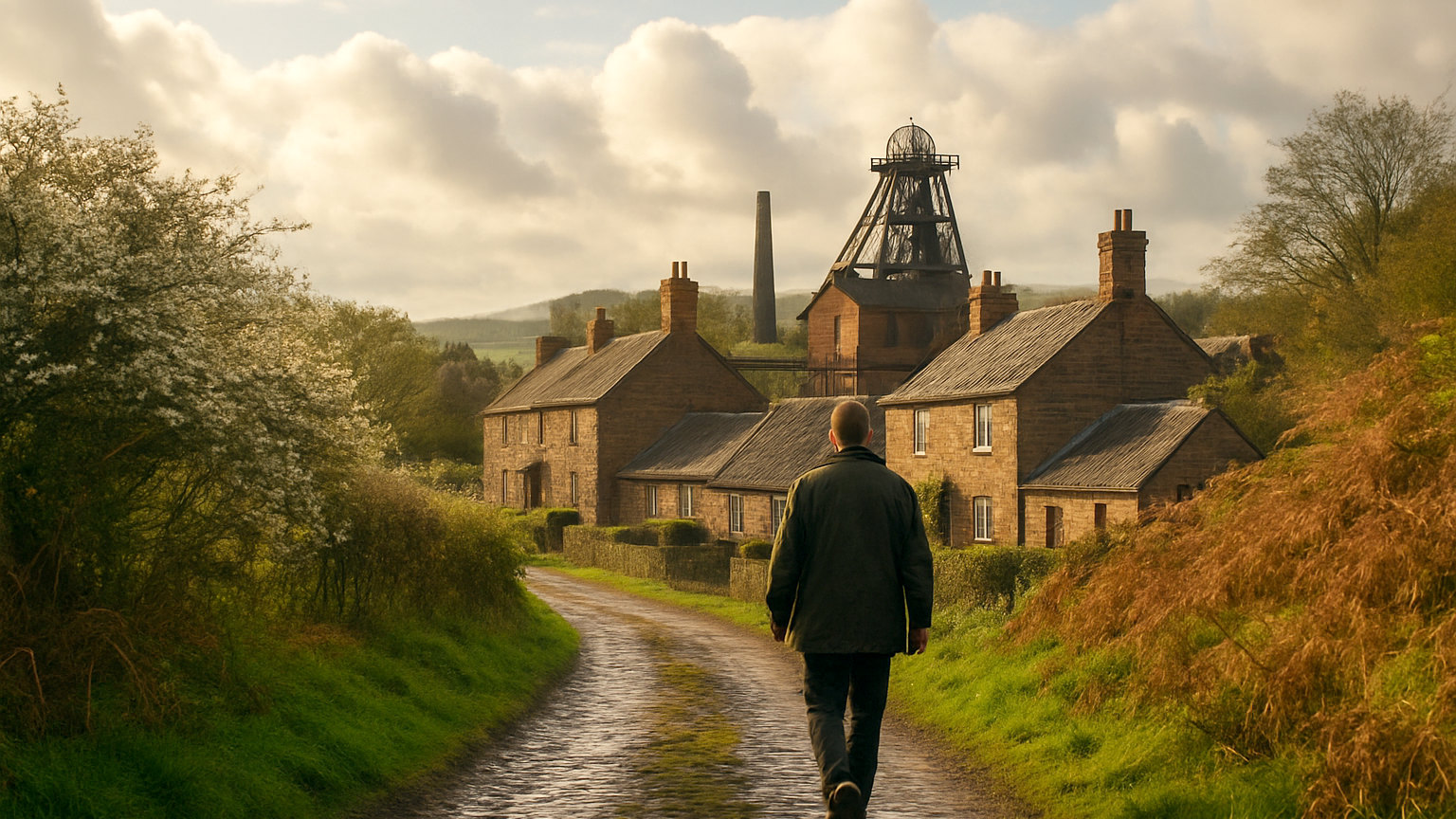
Beamish in County Durham, the largest, recreating a northern town, a colliery village, a farm and a nineteen fifties area, with trams and buses carrying visitors between them.
St Fagans near Cardiff, free, with buildings from across Welsh history including a Celtic village reconstruction, a row of ironworkers' cottages furnished to different decades and a working farm.
What else is there?
The Black Country Living Museum near Dudley, focused on industry and canal life. The Weald and Downland Living Museum in Sussex, which specialises in vernacular building construction and is where a well known television programme on crafts is filmed.
The Highland Folk Museum at Newtonmore, free, with a reconstructed eighteenth century township. The Ulster Folk Museum outside Belfast. Ryedale in Yorkshire and Avoncroft in Worcestershire.
What is a visit actually like?
Long, and largely outdoors. Sites cover many acres and the walking between areas is substantial, though the larger museums run transport. You go into buildings, talk to whoever is inside and move on.
There is generally no fixed route and no correct order. Most people spend five or six hours and do not see everything.
Why do they work so well for families?
Because children can move continuously, everything is at their scale and there is no requirement to be quiet or careful. Sweet shops, trams, animals and demonstrations give a rhythm to the day.
The costumed staff also engage children directly, which conventional museums cannot, and the questions children ask are answered in character.
How much do they cost?
The independent ones charge a full day rate, and most convert a ticket into an annual pass at no extra cost, which is worth taking even if you only expect to visit once.
St Fagans and the Highland Folk Museum are free, being part of national museum services, which makes them exceptional value.
When should you go?
Spring to autumn, when everything is open and the demonstrations are running. Several sites reduce their opening substantially in winter, with fewer buildings staffed.
Winter events, particularly around Christmas, are popular and atmospheric, with buildings lit and decorated to period, but check what is actually open first.
What should you take?
Weatherproof clothing and comfortable footwear, since the entire day is outdoors and the surfaces are cobbles, grass and gravel. A pushchair copes but is hard work on cobbles.
Cash for the period shops, some of which operate old currency exchanges, and a picnic if you would rather not queue at the café.
Are they historically accurate?
Broadly, and the good ones are explicit about what is original, what is reconstructed and what is interpretation. Buildings are researched carefully before being moved.
The presentation is inevitably tidier and cleaner than the past was, which the museums generally acknowledge. Several have made a point in recent years of covering harder subjects, including poverty, child labour and industrial injury, alongside the sweet shop.
Which should you choose?
Beamish for the largest and most varied site, and for transport between areas that reduces the walking. St Fagans if you are in south Wales, since it is free and covers a longer span of history. The Weald and Downland for anyone interested in how buildings were actually constructed. Any of them will fill a day, and the annual pass most offer makes a second visit worthwhile.