Worcester sits on the Severn beneath the Malvern Hills, with a cathedral tower that dominates the county cricket ground below it. It was the site of the final battle of the English Civil War, and it made porcelain and sauce that carried its name around the world.
What is in the cathedral?
The tomb of King John in the centre of the choir, with the earliest royal effigy in England, placed there at his own request in 1216.
Beside it stands the chantry chapel of Prince Arthur, elder brother of Henry the Eighth, whose early death changed the course of English history entirely.
What else should you look for?
The Norman crypt, among the largest and earliest in England, and the chapter house, an unusual circular room with a single central pier.
The tower can be climbed on published days and gives a view over the river, the cricket ground and out to the Malverns.
What is the Commandery?
A medieval timber framed building that served as the Royalist headquarters during the Battle of Worcester in 1651, the final engagement of the civil wars.
It is now a museum covering the battle and the building's earlier life as a hospital, with a painted chamber surviving upstairs.
What happened at the battle?
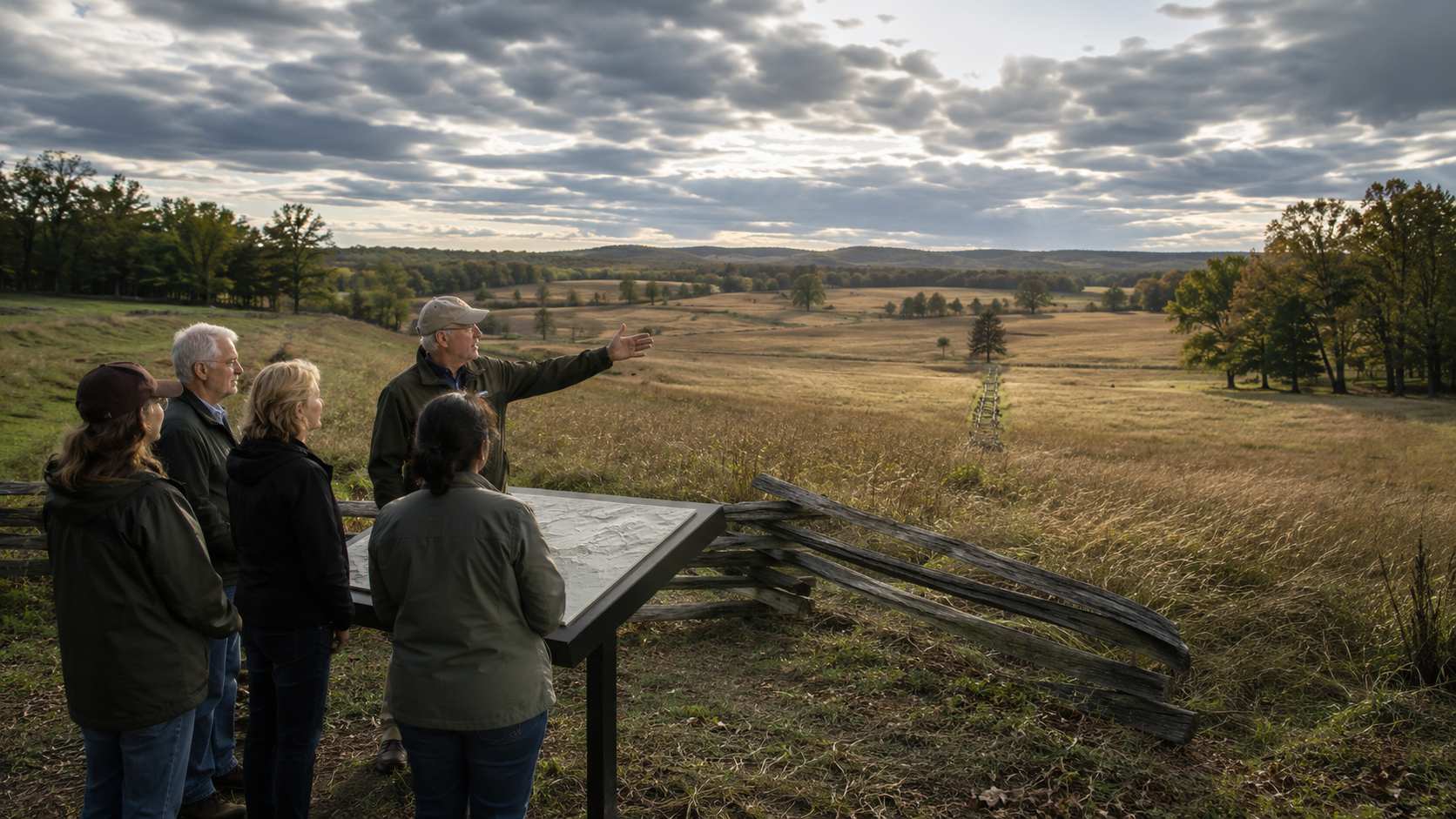
Charles the Second was decisively defeated by Cromwell's army and escaped, famously hiding in an oak tree at Boscobel before eventually reaching France.
A city trail marks the sites, and the escape route has been developed into a long distance path across the Midlands.
What is the porcelain museum?
A museum holding the largest collection of Worcester porcelain in the world, on the site of the works that produced it from 1751 until manufacture ended in the city.
It covers the technical process as well as the objects, and the quality of the painted decoration is the reason to go.
What about the sauce?
Worcestershire sauce was developed in the city in the 1830s by two chemists, and it is still produced at a factory here to a recipe kept confidential.
The factory is not open to the public, though the original shop premises are marked.
What is the Elgar connection?
Edward Elgar was born in a cottage at Broadheath three miles outside the city, now a museum holding manuscripts and personal possessions.
He is closely associated with the Malvern Hills, which he walked and cycled constantly, and the landscape is inseparable from the music.
What else is in the city?
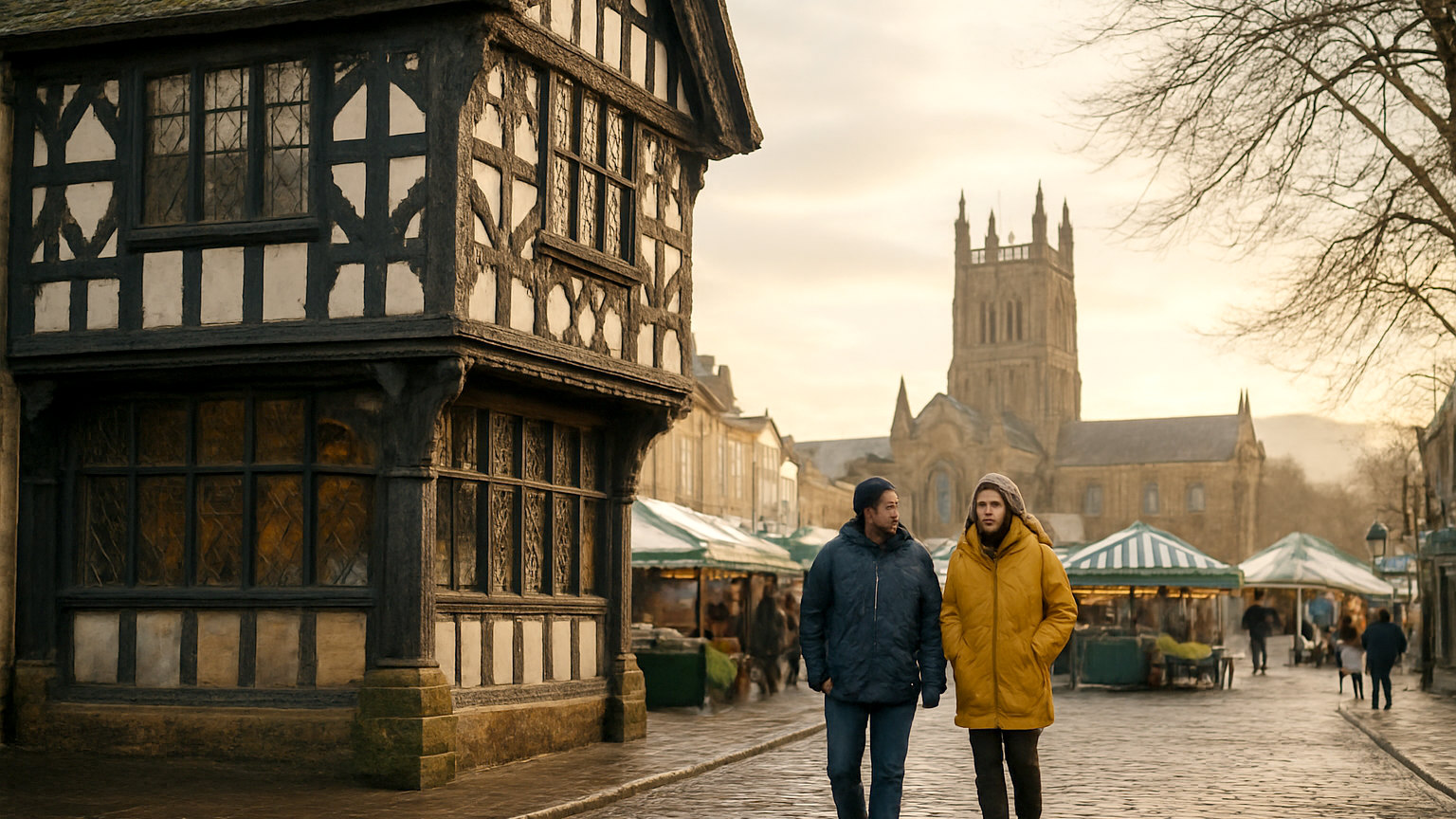
The Tudor House museum, the Guildhall with an elaborate Queen Anne facade, and Friar Street with timber framed buildings.
The riverside is pleasant, with boat trips, and the cricket ground with the cathedral behind it is among the most photographed in England.
What are the Malverns like?
A narrow ridge of very old rock rising abruptly from the plain, around eight miles long, with a path along the crest and views into Wales.
Great Malvern below is a Victorian spa town with springs, a priory church holding outstanding medieval glass and tiles, and a theatre.
How do you get there?
By train from London Paddington in around two and a quarter hours, and from Birmingham in under an hour, with two stations in the city.
Great Malvern is on the same line, fifteen minutes further, which makes combining the two straightforward.
How long do you need?
A day for the cathedral, the Commandery and the porcelain museum. Two nights to add the Malverns and Elgar's birthplace.
The city floods regularly in winter, and riverside paths and car parks close when the Severn is high.
What about the cricket?
New Road is among the most attractive county grounds in England, with the cathedral rising directly behind the pavilion end, and it floods most winters when the Severn rises. County matches are inexpensive, unhurried and a genuinely pleasant way to spend a summer afternoon, whether or not you follow the game closely.