Britain has an unusually dense network of nature reserves, run by a mixture of national charities, county wildlife trusts and government agencies. Several thousand exist, most of them free or inexpensive, and a small number are genuinely world class.
Who runs them?
The RSPB operates a couple of hundred reserves focused on birds but managing whole habitats. The Wildlife Trusts are a federation of county based charities with a far larger number of smaller sites.
The Wildfowl and Wetlands Trust runs a handful of wetland centres designed for visitors. National Nature Reserves are designated by government agencies, and the National Trust and Woodland Trust hold substantial land as well.
Which are the outstanding sites?
Minsmere in Suffolk, which combines reedbed, heath, woodland and coastal lagoon in one reserve and has an exceptional species list. Titchwell and Cley on the north Norfolk coast.
Leighton Moss in Lancashire for reedbed species. Bempton Cliffs in Yorkshire for seabirds. Loch Garten and Abernethy in Strathspey for pine forest species. Slimbridge in Gloucestershire for wintering wildfowl.
What makes a reserve good to visit?
Hides in the right places, paths that work in wet weather, and a variety of habitats within a walkable area. The best reserves are designed so that a two hour circuit passes through several different environments.
Staff and volunteers make an enormous difference. Many reserves have someone at the entrance who will tell you exactly what has been seen that morning and where, which is worth more than any guidebook.
Do you have to pay?
It varies. Most Wildlife Trust reserves are free. RSPB reserves generally charge non members, with members entering free, which is where the membership pays for itself.
The wetland centres charge and are priced as visitor attractions, reflecting their facilities. National Nature Reserves are usually free with no facilities at all.
Which suit a first visit?
The larger managed reserves with visitor centres, since they have hides, marked trails, lavatories and someone to ask. Minsmere, Titchwell, Leighton Moss, Slimbridge and Rutland Water all work well for someone new to it.
Small unstaffed reserves are rewarding once you know what you are looking for and can be baffling before that.
When should you go?
Early morning, without exception. Birds are most active in the first hours of light, and by mid morning both the activity and the quiet have gone.
Seasonally: spring for song and breeding plumage, summer for seabirds and insects, autumn for migration, winter for wildfowl and waders in enormous numbers. Every season has something, which is not true of most attractions.
What should you take?
Binoculars above all, which transform every visit. Waterproofs and boots, since reserves are frequently wet and exposed. Something warm, because hides are unheated and sitting still is cold.
A field guide or an identification app, and patience. Reserves reward sitting in one place far more than walking the whole circuit quickly.
How should you behave in a hide?
Quietly. Close the door gently, keep voices low, avoid sudden movements at the windows and do not slam the shutters. Birds are considerably closer than they seem and will flush.
Most hides have a sightings book, which is worth reading on arrival and adding to when you leave. Regular visitors are almost always happy to point out what you are looking at.
How do you find one near you?
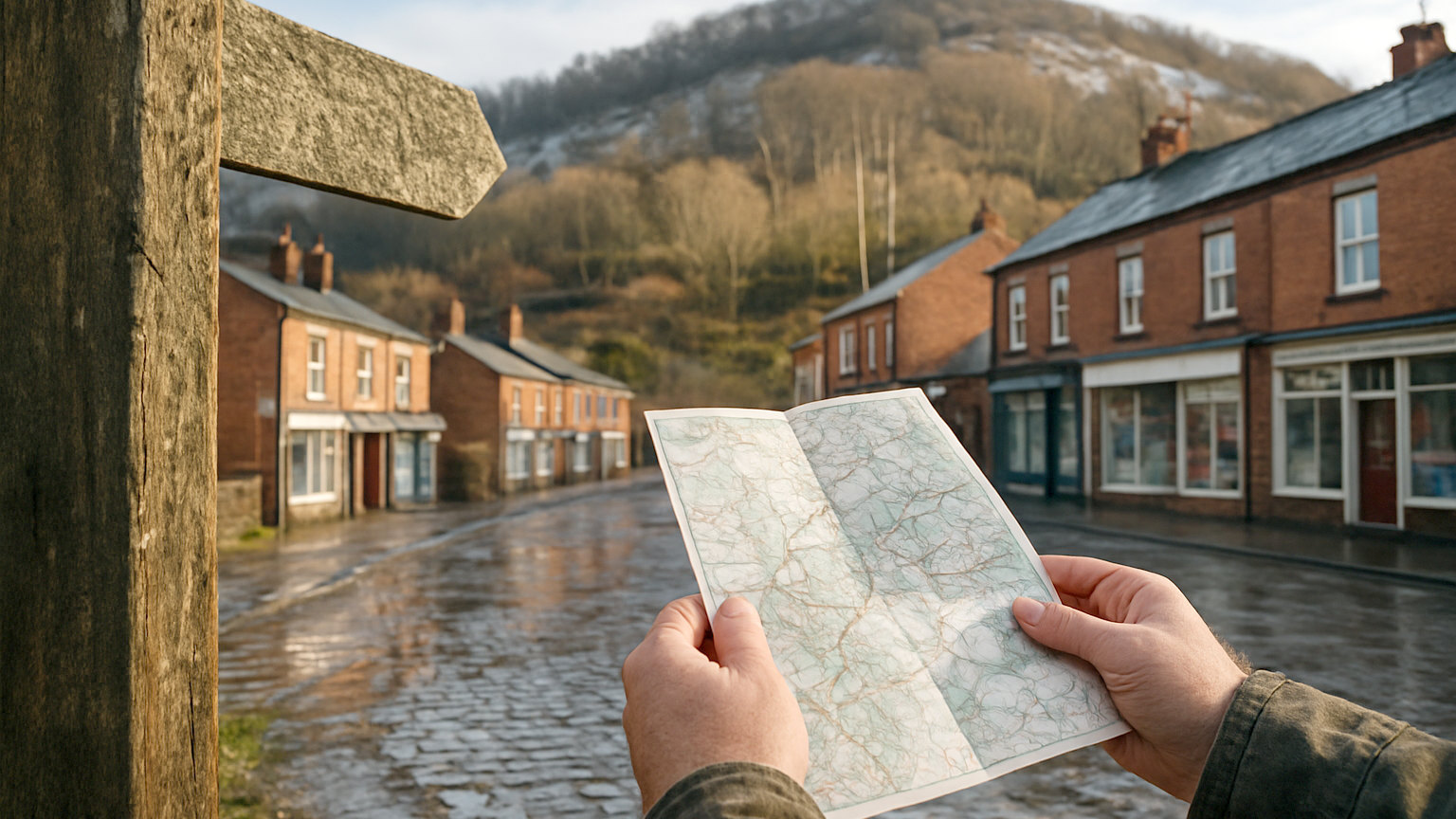
Each organisation publishes a searchable map of its sites, and the county wildlife trust for your area will list dozens you have probably never heard of.
The best reserve for most people is a small local one visited repeatedly through the year rather than a famous one visited once, since you learn the place and notice what changes.
A final practical point: check the reserve's own recent sightings page before travelling. Most publish what has been seen in the past few days, which tells you both what to look for and whether the walk to the far hide is currently worth making. It takes a minute and consistently improves a visit.