Nature reserves and small children are not an automatic combination. A hide requiring two hours of silence is a difficult proposition with a five year old, while a reserve with a pond dipping platform and a trail is one of the better value family days available in Britain.
What makes a reserve work with children?
Things to do rather than only things to look at. Pond dipping, minibeast hunting, a marked trail with something to find, a play area and somewhere indoors for a wet day.
Also short circuits. A two mile loop is fine; a five mile walk between distant hides is not, and reserves with everything close to the centre work far better.
Which sites are best?
The wetland centres, which are designed as visitor attractions with children in mind. Slimbridge in Gloucestershire, Martin Mere in Lancashire, Welney in Norfolk, Arundel in Sussex and London Wetland Centre all have feeding, play areas and easy walking.
Among the RSPB reserves, Rutland Water, Leighton Moss, Titchwell and Minsmere all have facilities, trails and activity programmes in school holidays.
What about local wildlife trust reserves?
Frequently the best option and usually free. Most county trusts have at least one flagship site with a visitor centre, and many run holiday activity programmes at low cost.
They are also close to home, which matters. A local reserve visited monthly teaches children more than a famous one visited once, because they see it change through the year.
Is pond dipping worth it?
It is reliably the most successful activity for children on any reserve. Nets and trays are usually provided at sites with a platform, and the catch is immediate and varied: newts, water boatmen, dragonfly larvae, caddis.
The rules are simple and worth explaining first: return everything, do not mix species in one tray for long, and never move creatures between ponds.
How do you use hides with children?
In short bursts and with a purpose. Ten minutes with a specific thing to find works; an hour of scanning does not. Give each child their own binoculars, which changes their engagement completely.
Choose hides close to the entrance so leaving is easy, and go at a time when there is activity rather than the middle of a hot afternoon.
When is the best time to visit?
Spring and early summer for young birds, tadpoles and insects, which are the most engaging for children. Autumn for fungi and colour. Winter for large numbers of ducks and geese, which are visible and easy to see without patience.
Early morning is best for wildlife and worst for persuading children out of bed, so mid morning is a reasonable compromise on a family visit.
What should you take?
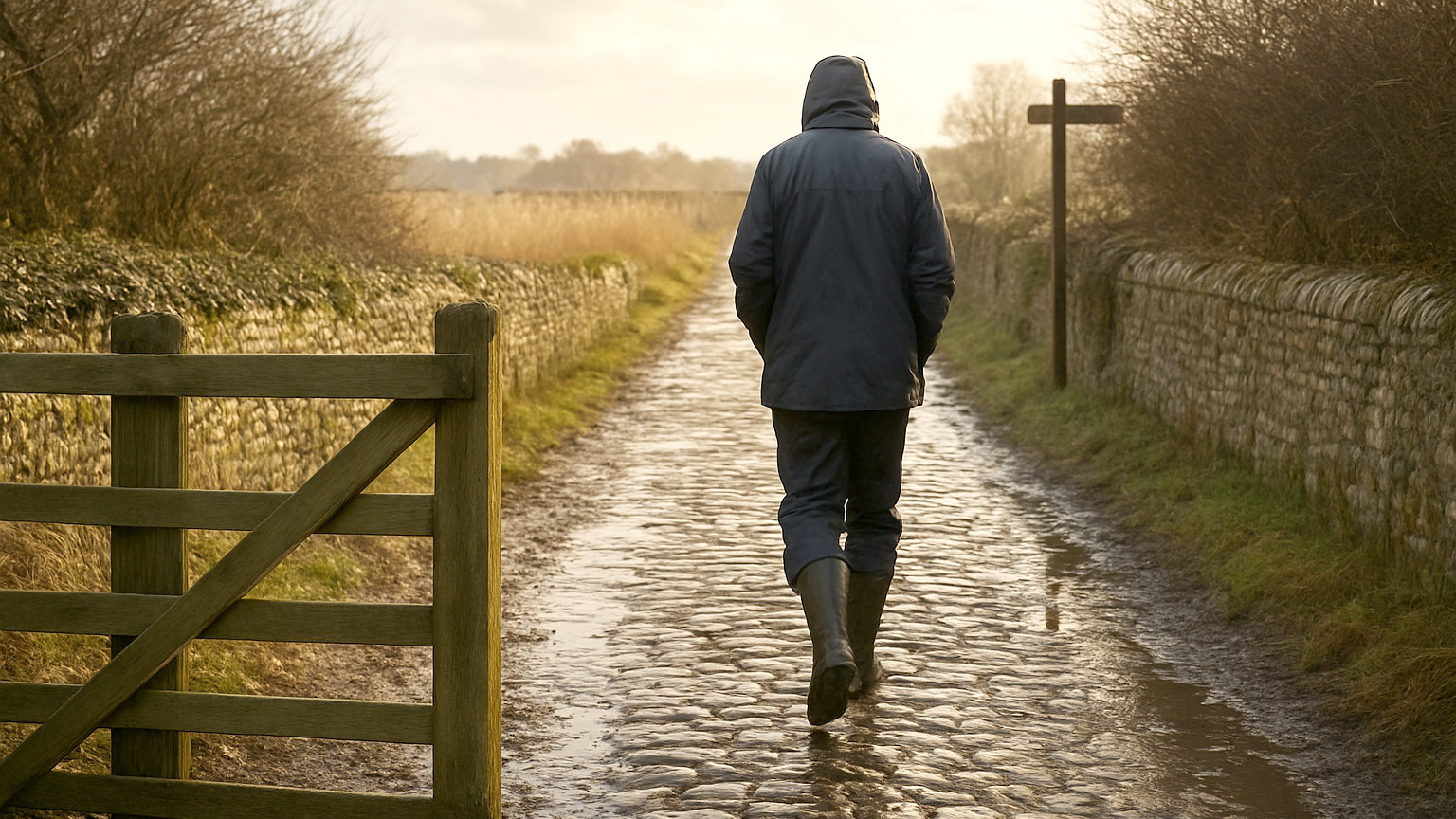
Wellingtons, waterproofs and spare clothes, since reserves are wet and children find water. Binoculars for each child, even cheap ones. Snacks, because hunger ends these visits faster than boredom.
A simple identification chart, which turns looking into finding and gives a sense of achievement.
Does membership pay off?
For families visiting more than three or four times a year, generally yes. RSPB family membership covers entry to reserves that charge, and wildlife trust membership supports local sites and often includes events.
Many trust reserves are free anyway, in which case membership is a donation rather than a saving, which is a reasonable thing to make.
What is the realistic aim?
Not to see rare species but to have children who like being outdoors and notice things. A day spent catching pond life and finding a feather is a success even if you saw nothing on the sightings board.
Children who visit reserves regularly develop an eye for wildlife that no single spectacular sighting produces, and the reserves are among the cheapest days out available.
One final tip: let children lead. A reserve visit that follows whatever they have noticed, rather than a route towards a hide you wanted to reach, almost always goes better. The wildlife they find themselves in a ditch is more memorable than the rare bird you pointed at through a telescope.