The Forest of Dean lies between the Severn and the Wye, an ancient royal forest with a long industrial history of iron and coal, and a set of local rights that survive nowhere else in England. It holds species that are difficult to see elsewhere and one animal that requires genuine caution.
What about the wild boar?
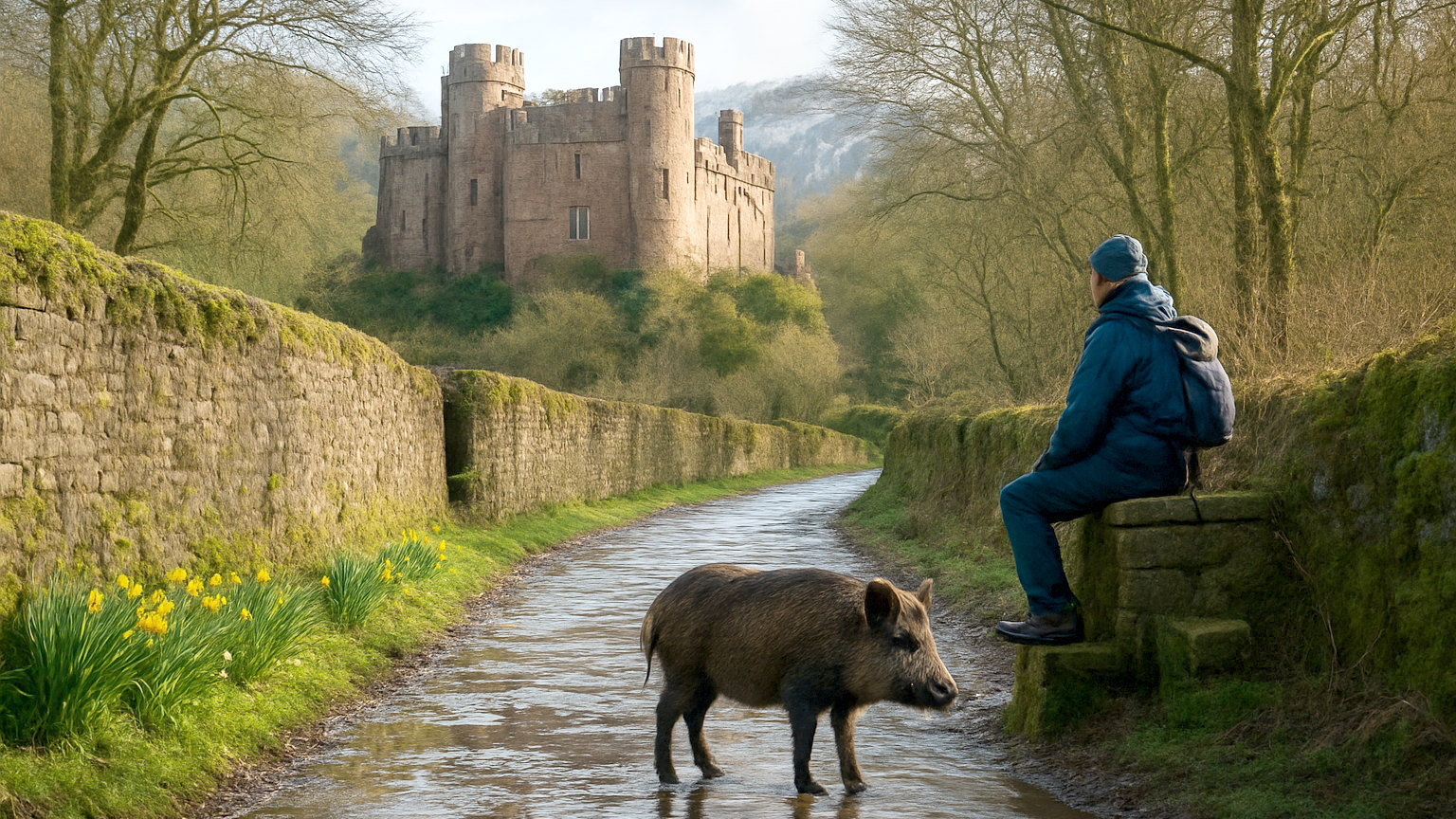
A substantial population lives in the forest, descended from animals that escaped or were released from farms in the 1990s and 2000s, and it is the largest in England.
They are large, powerful and generally avoid people. A sow with piglets will defend them. Keep your distance, never approach or feed them, and keep dogs on leads, since a loose dog is the most common cause of a serious incident.
Where do you see goshawks?
The forest holds one of the densest populations in Britain, and they are famously difficult to see except in late winter when they display over the trees.
New Fancy View, a spoil heap from a colliery converted into a viewpoint, is the classic spot, best from February to April on still bright mornings.
What is at Symonds Yat?
A rock above a loop of the Wye where peregrine falcons have nested for decades, with a viewpoint staffed by volunteers with telescopes during the breeding season.
It is free, the birds are reliably present from spring into summer, and the view along the gorge is among the best in the region.
When are the wild daffodils out?
Late March, in the area on the forest's northern edge known as the golden triangle, where wild daffodils carpet meadows and woodland in enormous numbers.
They are smaller and paler than garden varieties, and marked walks link the best villages during the flowering season.
What other birds are there?
Pied flycatchers and redstarts in the oak woods from April, wood warblers, hawfinch in winter and crossbills in the conifer plantations.
Nagshead reserve is the best site for the summer migrants, with nest boxes and hides.
What mammals besides boar?
Fallow deer, which have been in the forest for centuries and are seen at dawn and dusk. Roe and muntjac. Bats, including several woodland species roosting in old mine workings.
Otters along the Wye, and dormice in the coppice, though seeing either is a matter of considerable luck.
Who are the free miners?
Local people holding a right to mine coal and iron in the forest, granted in the medieval period and still exercised by a small number who work small pits.
The qualification requires being born in the Hundred of St Briavels and having worked a year and a day in a mine, which makes it among the most unusual surviving rights in England.
What is Clearwell Caves?
An iron mine worked for thousands of years, open to visitors on walkways, with deeper trips available for the more adventurous.
Ochre is still produced there, and the mine explains the industry that shaped the forest better than any museum.
What is Puzzlewood?
An area of old surface iron workings, now overgrown with moss covered rock, twisted yew and narrow paths between chasms, open as a private attraction.
It looks entirely unlike anywhere else in Britain and is used constantly for filming.
What is the sculpture trail?
A waymarked walk through the forest with permanent artworks sited among the trees, which has run since the 1980s and is free apart from parking.
It takes a few hours and works well with children, and several pieces are substantial.
When should you go?
Late March for the daffodils, February to April for goshawks, spring and early summer for the woodland birds and the peregrines.
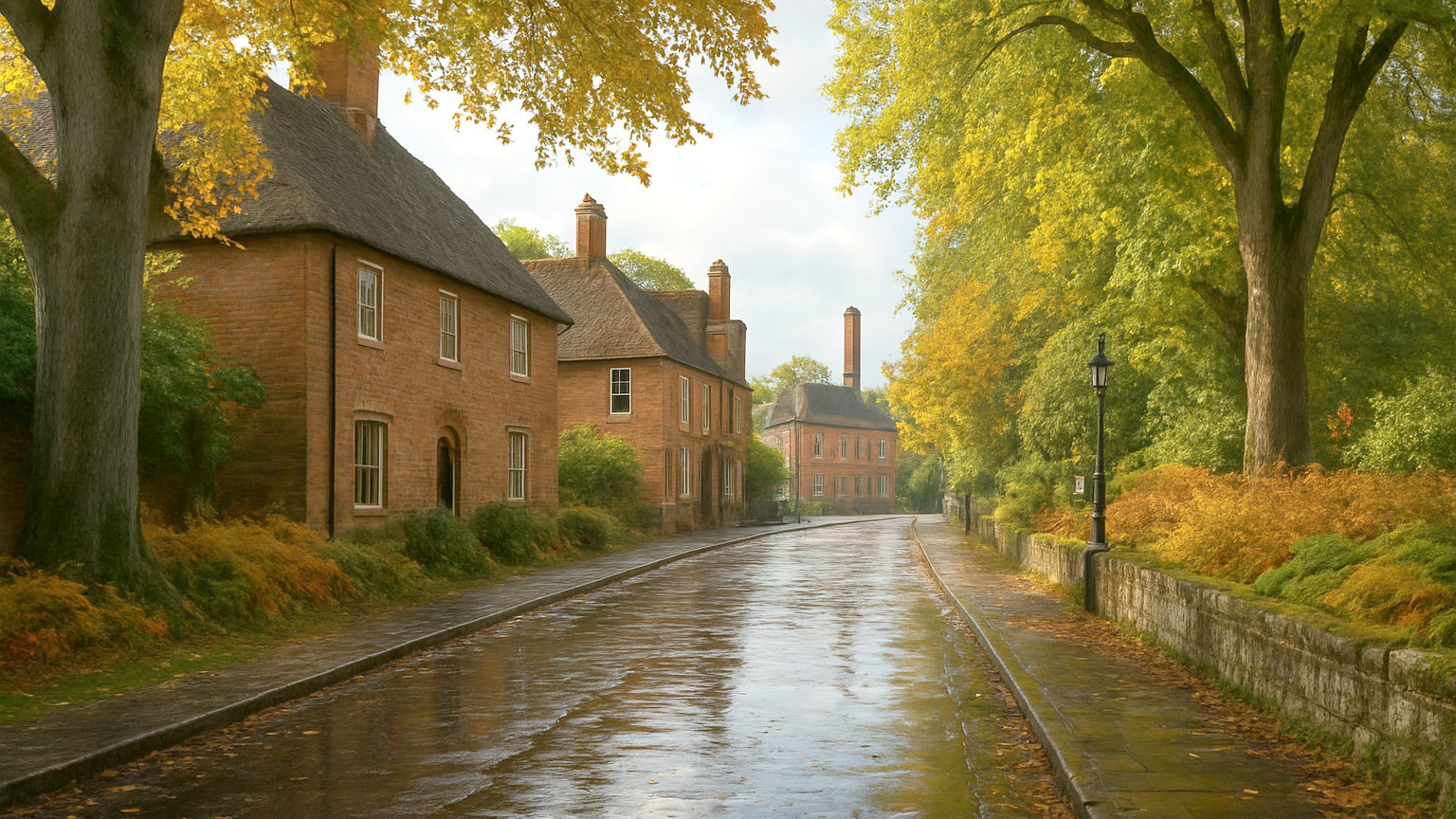
Autumn for colour and fungi, with the beech and oak of the older woodland at their best in late October.
Where should you base yourself?
Coleford or Cinderford inside the forest, Symonds Yat or Ross on Wye for the river, and Lydney towards the Severn. All are small and inexpensive. The forest has campsites, cabins and a good number of pubs, and the whole area is compact enough that nothing is more than half an hour from anywhere else.