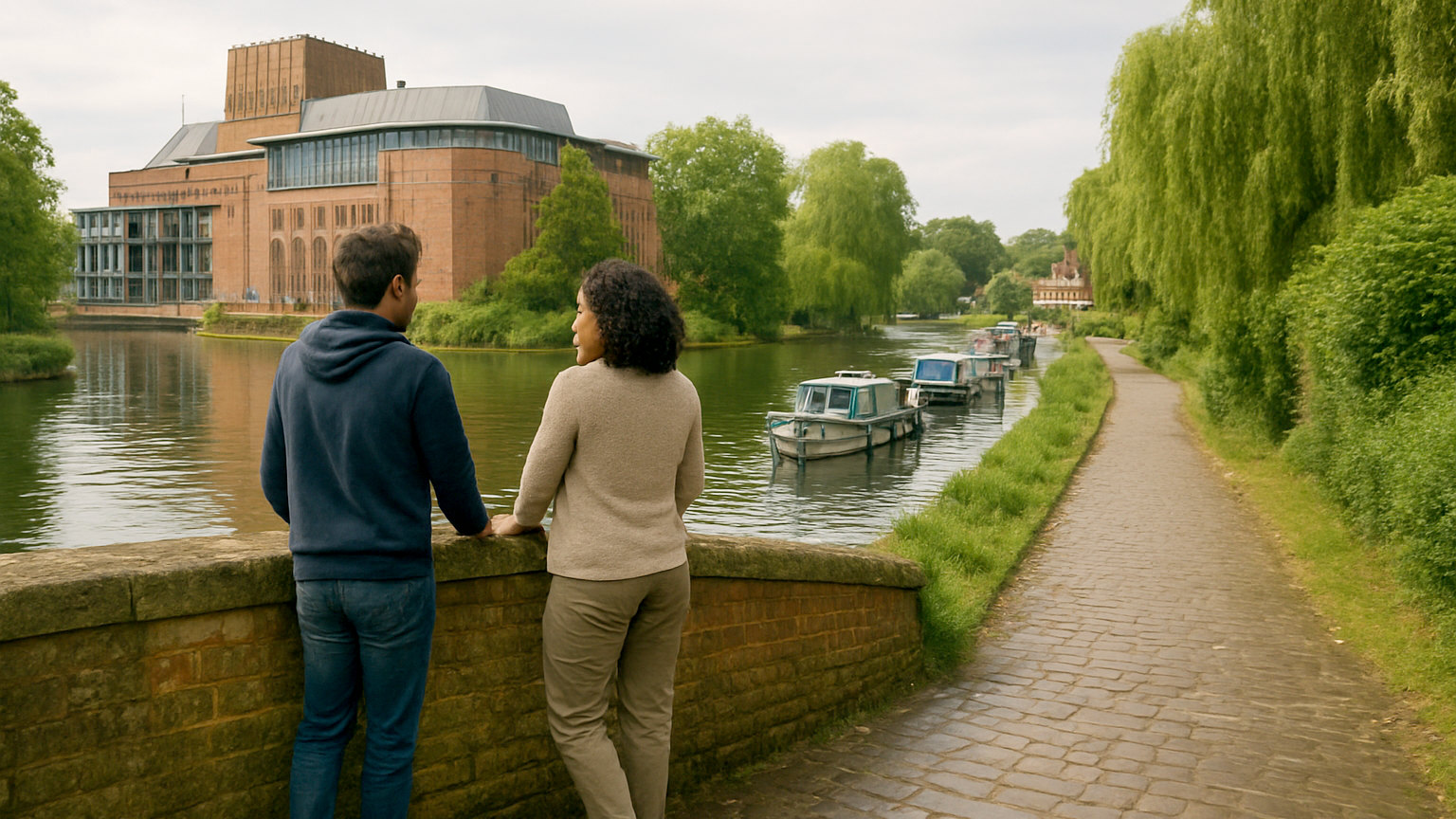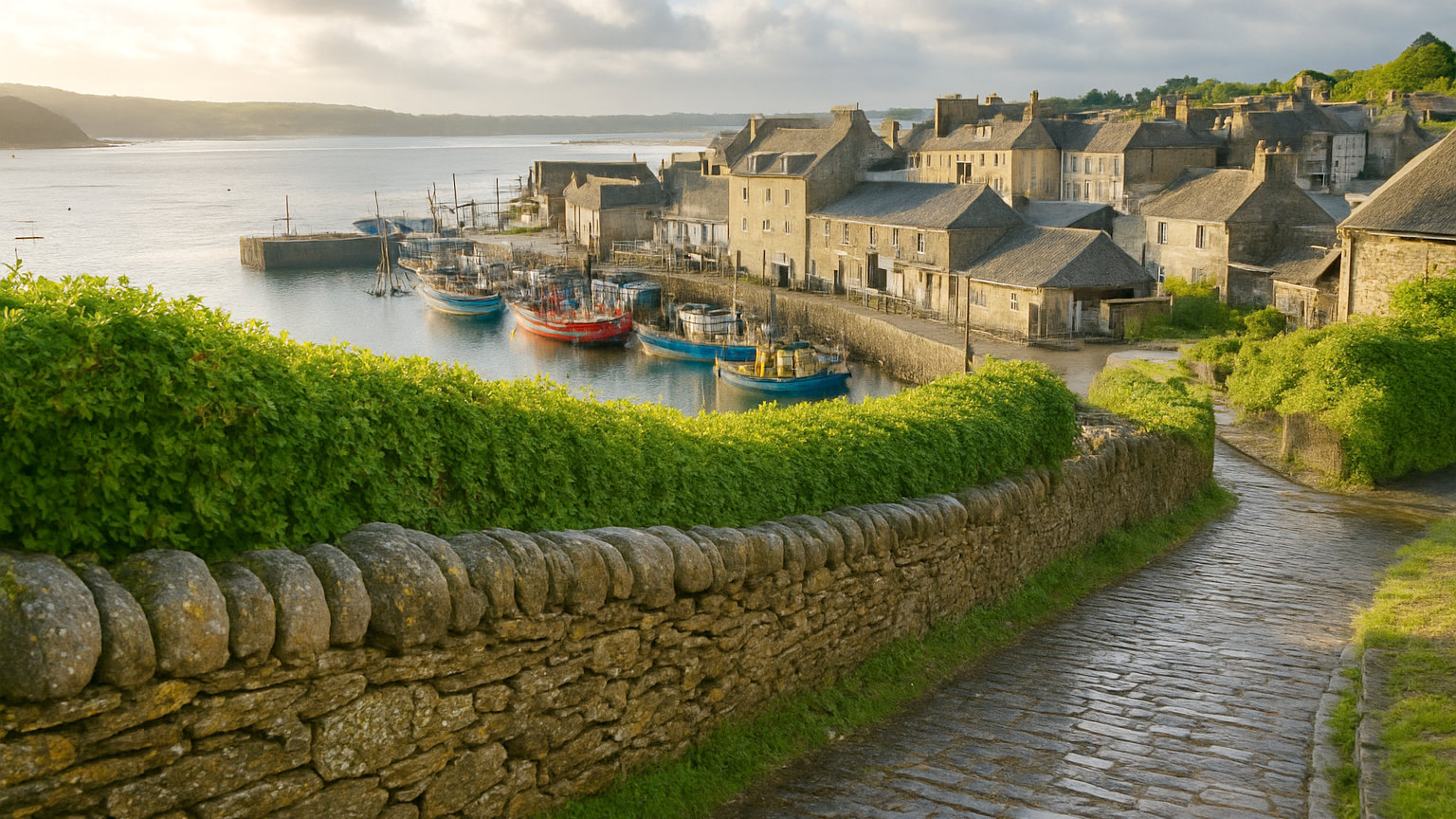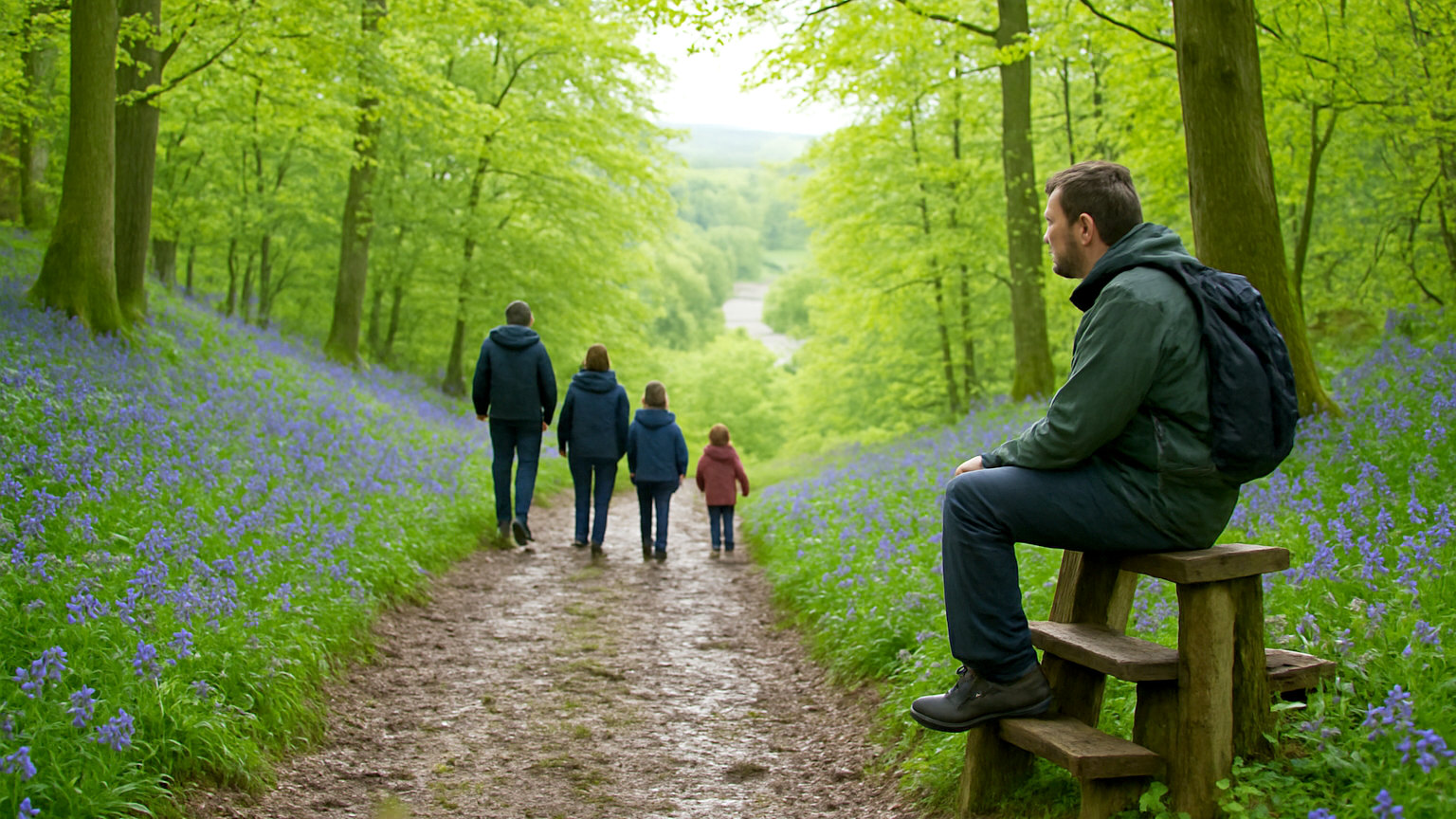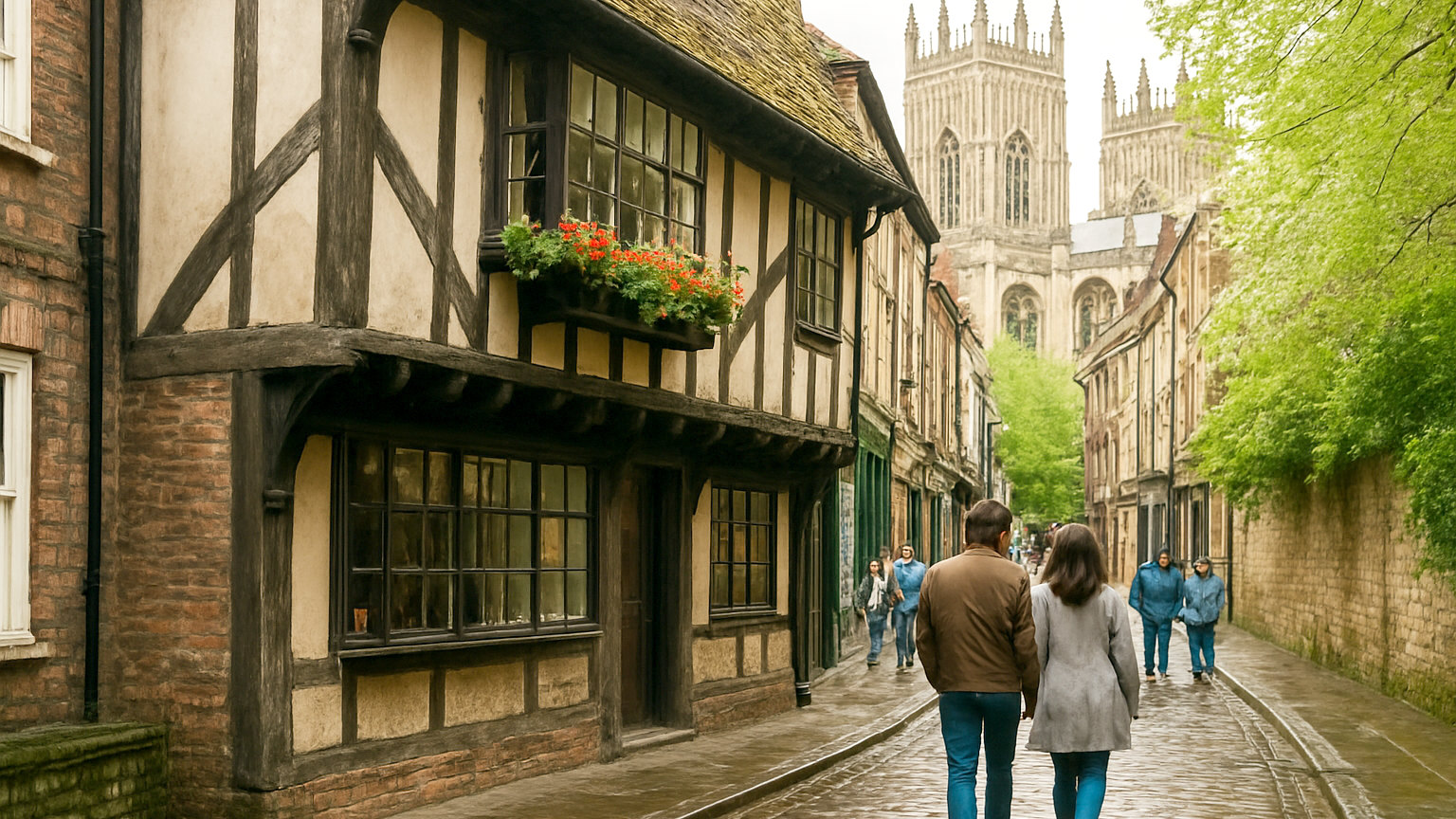
Britain is unusually well provided with free family entertainment, largely because national museums charge no admission and because access to the countryside and coast is a right rather than a purchase. A family week built around free days with one or two paid highlights costs a fraction of one built around attractions, and children rarely notice the difference.
Which museums are free?
The nationally funded ones, which include some of the best in the world for children. The Natural History Museum, the Science Museum and the National Maritime Museum in London. The National Railway Museum in York.
Outside London, the national museums of Scotland and Wales, the Liverpool group including the Museum of Liverpool and the Maritime Museum, Kelvingrove and the Riverside Museum in Glasgow, and the Great North Museum in Newcastle all charge nothing.
What else is genuinely free?
Beaches, of which Britain has thousands, and rock pooling at low tide is the most reliably successful free activity for children of almost any age.
Country parks, most of which are run by local authorities with free entry and charged parking. Playgrounds, canal towpaths, city farms, and the great majority of footpaths and open access land.
What costs only parking?
A great deal, and it is a fraction of an admission fee. Forestry sites with waymarked trails, play areas and cycle routes. Many nature reserves. Most beaches with a car park.
Where a family of four would pay a substantial sum for entry elsewhere, a few pounds for parking and a picnic gives a comparable day. Many forest sites also have free entry if you can walk or cycle in.
Are city farms worth a visit?
Frequently, and many are free or ask a donation. They exist in most large British cities and hold pigs, goats, chickens and sometimes larger livestock, with play areas and cafes attached.
For young children they deliver much of what a paid farm park does at no cost, and they are usually far quieter.
What about libraries and local activities?
Public libraries run free holiday activity programmes, including reading challenges over the summer, craft sessions and story times. They are also warm, dry and free, which matters on a wet day.
Local authorities and park teams run free events through school holidays, and these are advertised locally rather than nationally, so a search for the specific area is worth doing.
What free things work in bad weather?
Museums, libraries, cathedrals, covered markets and shopping arcades. Rock pooling and forest trails also work in rain with the right clothing, and both are quieter for it.
Having one free indoor option identified before the wet day arrives is the difference between an ordinary day and a lost one.
How do you find what is nearby?
Search the local authority website for country parks and events, check the relevant forestry body for sites in the area, and look for a city farm if you are near a city.
Tourist information sites list free attractions but tend to underrepresent them in favour of paid ones. Local parenting groups and community pages are frequently better sources.
How should you structure a week around it?
Alternate. A free day, then a paid highlight, then two free days. Children tire of being taken places, and the unstructured days beside a river or on a beach are frequently the ones they talk about afterwards.
Two paid days in a week is plenty for most families, and it leaves the budget for eating somewhere decent rather than queueing for chips at an attraction.
What is the best single free day?
A beach at low tide with a bucket, a net and a picnic. It costs the parking, it occupies several hours, it works from toddler age to early teens, and Britain has more coastline per square mile than almost any comparable country.
Check the tide times before setting off, since arriving at high water with a bucket and no rock pools is a short visit.