British cathedral cloisters, medieval castles and Victorian viaducts have been standing in for imagined worlds since long before the current wave of fantasy production. Most of the locations were substantial attractions already, which is why they cope with the visitor numbers.
Which cathedrals were used?
Gloucester Cathedral, whose fan vaulted cloisters are among the finest in Europe and were used extensively as corridors. Durham Cathedral, which also has a Norman interior of the first rank.
Both remain working cathedrals with daily services, and both are worth visiting entirely independently of the filming, which is the point.
What about the castles?
Alnwick in Northumberland, which is inhabited, open in season and has an adjacent modern garden with a treehouse and a poison garden. It leans into the connection with broomstick sessions in the outer bailey.
Bamburgh, Doune in Stirlingshire and Berkeley in Gloucestershire have all appeared repeatedly across different productions.
What is Glenfinnan Viaduct?
A curving concrete viaduct on the West Highland Line above Loch Shiel, built at the end of the nineteenth century and now among the most photographed structures in Scotland.
A steam service crosses it in summer, and a footpath from the visitor centre reaches a viewpoint. Parking is limited, fills early and roadside parking is enforced, so arrive well before the train.
Which railway stations were used?
Goathland on the North Yorkshire Moors Railway, a preserved station on the moors served by steam trains and reached by road or rail.
Several London termini appear, and one has a permanent installation on the concourse where a substantial queue forms for photographs.
What about Lacock?
A Wiltshire village owned almost entirely by a conservation charity, with no overhead wires and few modern intrusions, which is why it appears constantly in period and fantasy production.
The abbey adjoining it has medieval cloisters used in filming and an early photography museum, since the first photographic negative was made there.
Which landscapes appear?
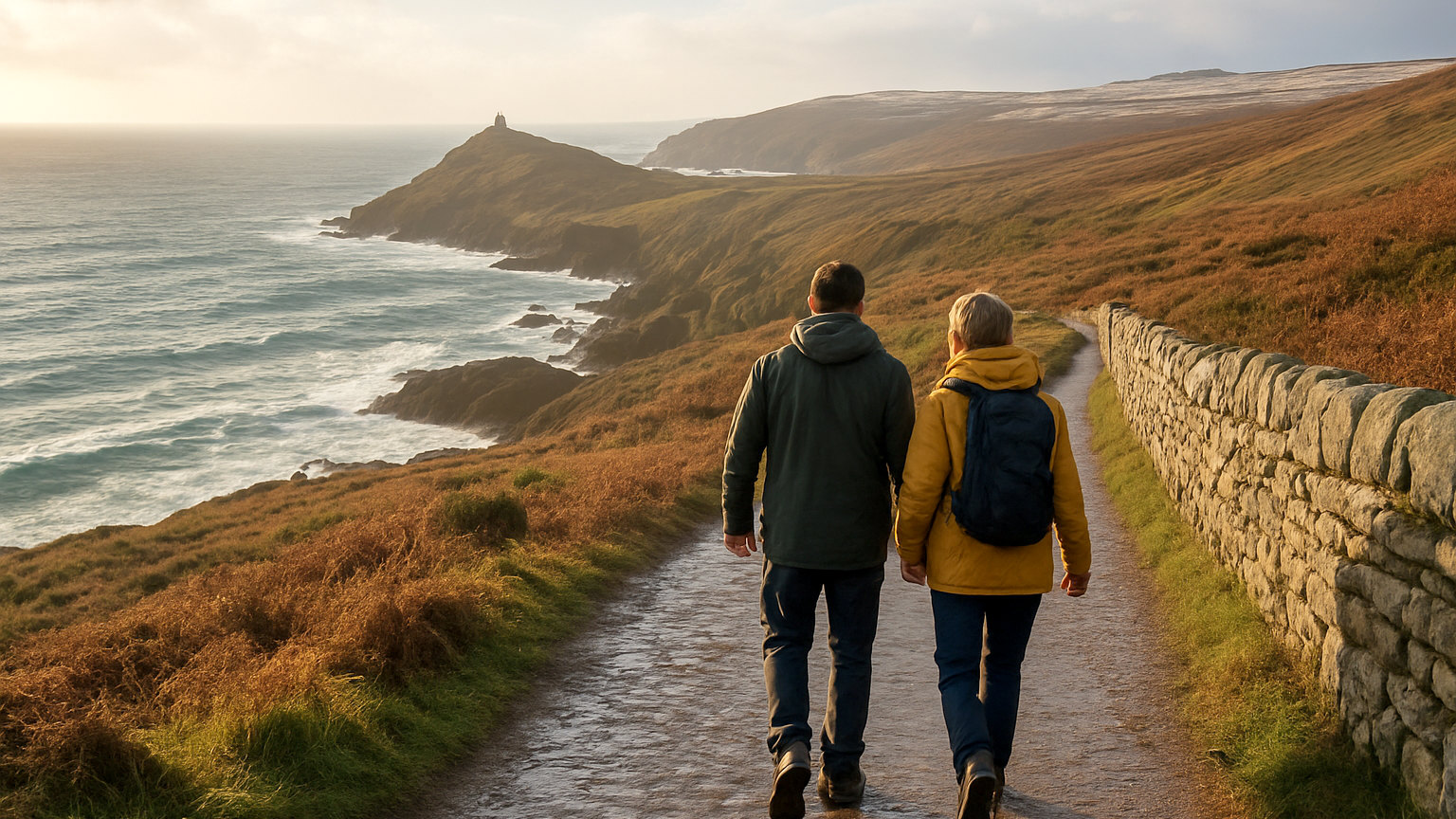
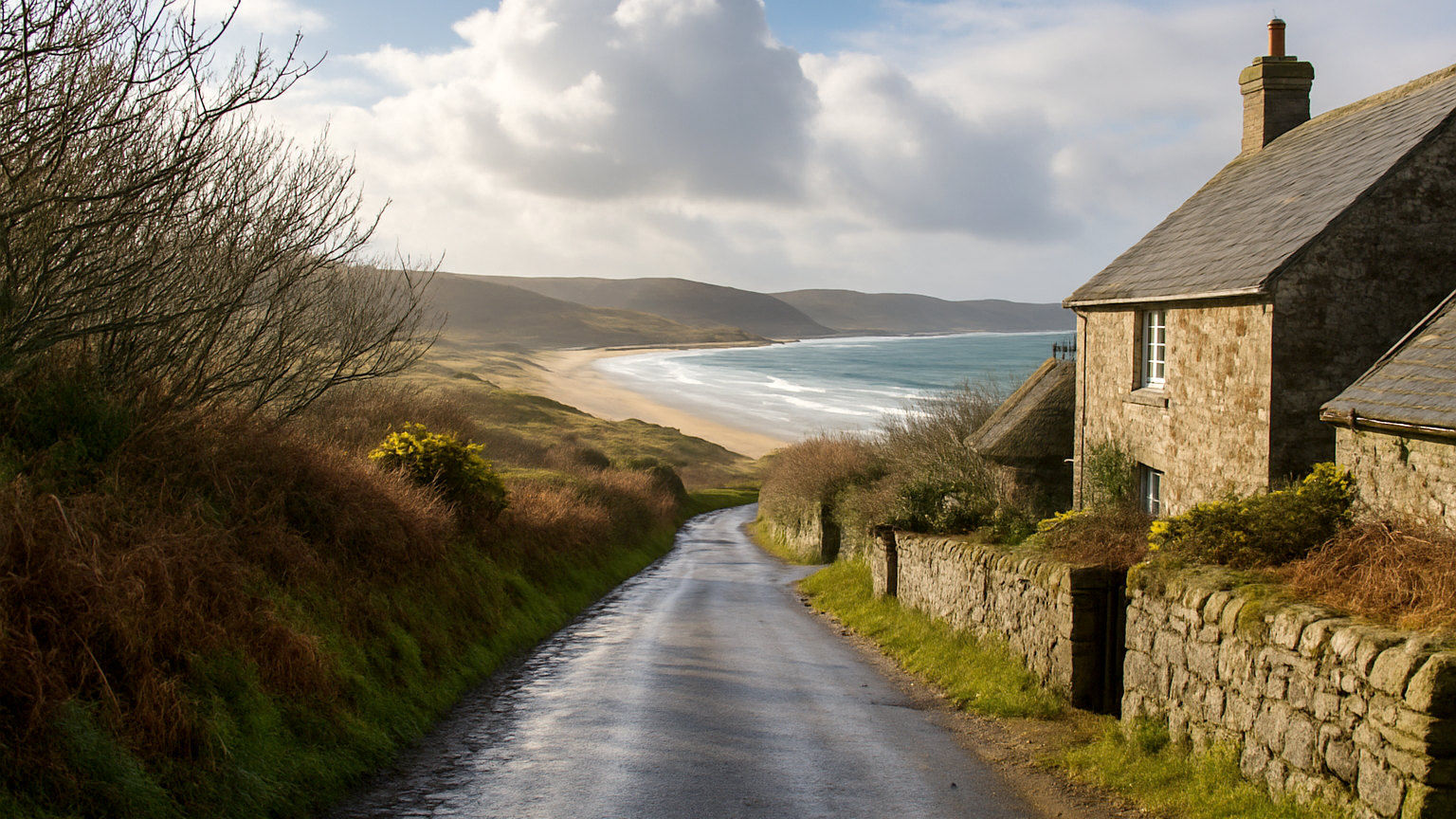
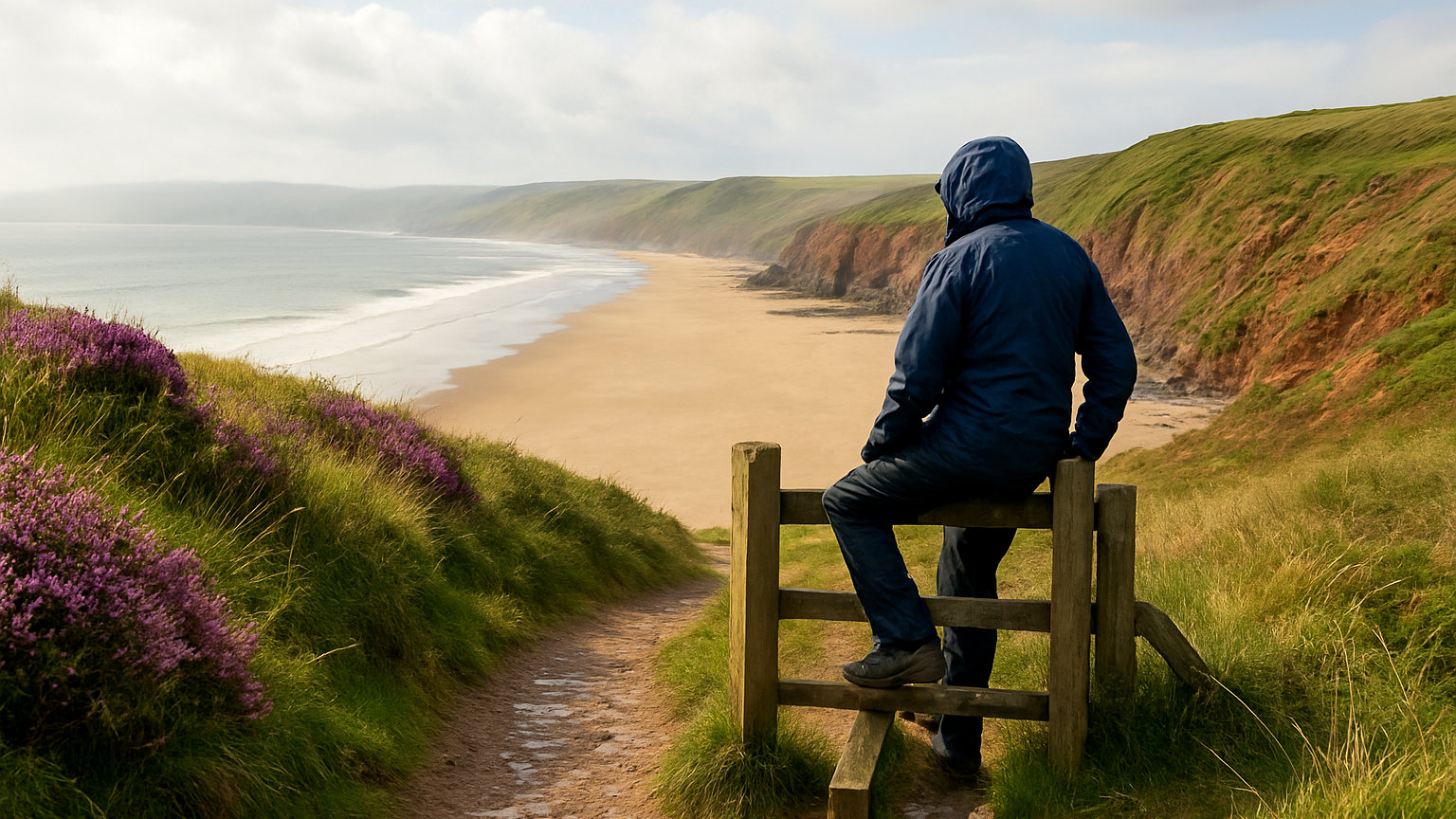
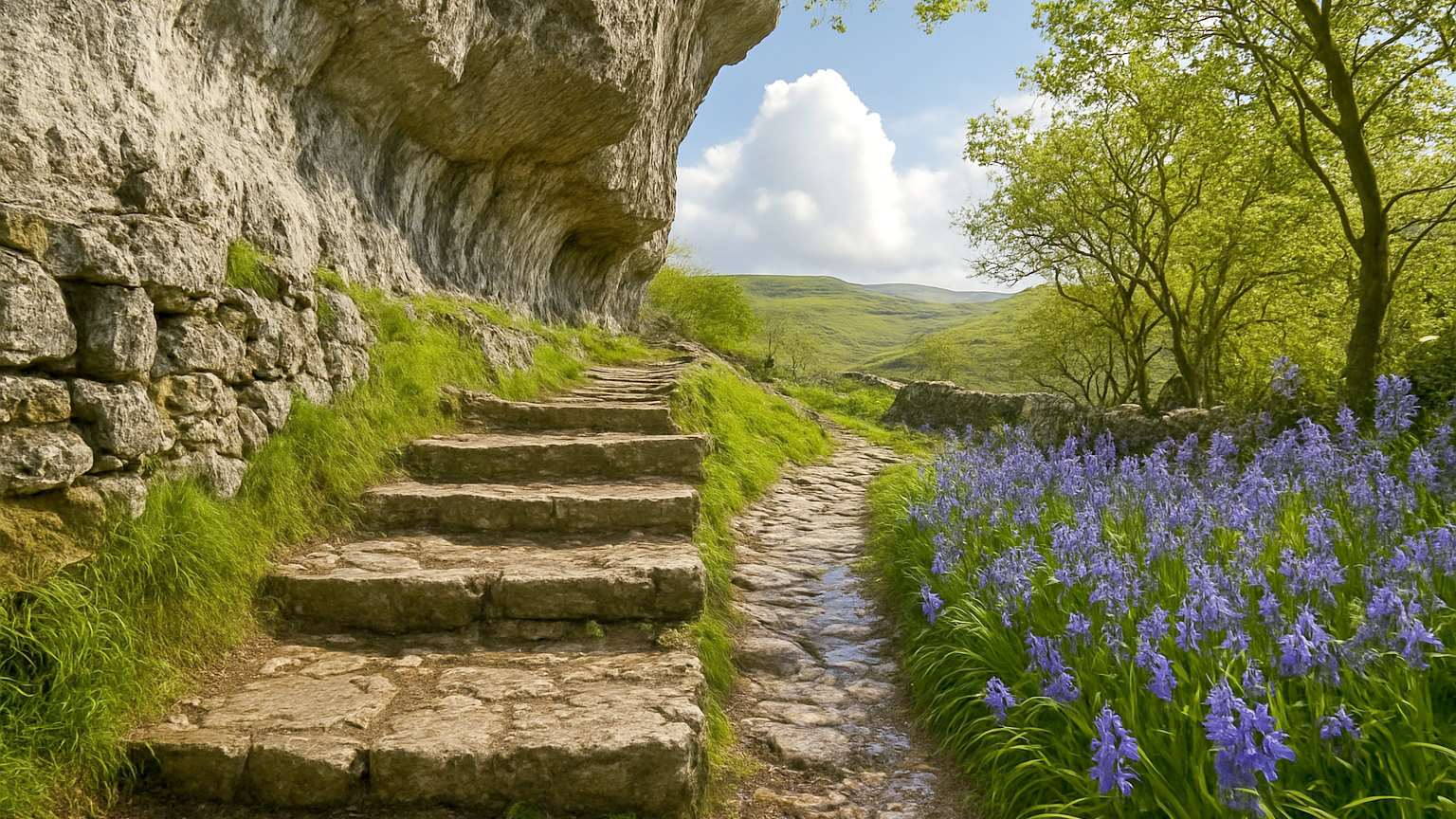
Glencoe and Rannoch Moor in the Highlands, Malham Cove in Yorkshire, Freshwater West in Pembrokeshire and the beaches of Northumberland.
All are open landscape, free to visit and outstanding in their own right, which makes them the most rewarding locations on any of these lists.
What is Oxford's role?
Several colleges and university buildings appear, including a dining hall, a medieval divinity school and a domed library, all of which are visitable on tours with restrictions during term.
Access varies and colleges close to visitors during examinations and events, so check before travelling.
How busy are these places?
Very, at the well known ones. Glenfinnan in summer, the London station installation and Alnwick in school holidays all attract substantial queues.
Early morning and out of season are considerably better, and several are pleasant at times when the coach parties are absent.
What should you expect?
Real places rather than the composites seen on screen, frequently smaller and always without the digital elements. That is a feature rather than a disappointment if you approach them as buildings and landscapes.
The cathedrals and castles in particular are of major historical importance quite apart from any film.
How should you plan a visit?
Pick one region rather than crossing the country. Northumberland, the Highlands, Oxford and the Cotswolds each hold several locations within a short distance.
Combine them with what is nearby, since almost all of these places sit in areas worth a day on their own terms.
What about the studio tours?
Purpose built attractions display sets, props and costumes with substantial facilities, and they are the reliable wet weather option. They are ticketed, sell out and need booking well ahead, particularly in school holidays. For anyone whose interest is the production rather than the landscape, they deliver considerably more than a field ever will.
What is worth knowing about the crowds?
These are the most visited screen locations in Britain and several have introduced managed access as a result, including timed parking and pre booking at the busiest. The queue at the London station installation runs throughout the day, and Glenfinnan car park fills long before the steam service crosses. Early mornings and the shoulder months make all of them considerably more pleasant.