Britain industrialised first and left the evidence across some of its most remote country. A good deal of it is now protected, some carries World Heritage status, and almost none of it receives visitors, which makes it among the most rewarding overlooked landscape in the country.
What is at Parys Mountain?
A copper mountain on Anglesey worked from the Bronze Age and enormously in the eighteenth century, when it briefly dominated world copper production, leaving a vast open pit in extraordinary colours.
The rock is stained orange, red and purple by mineral oxidation, and a waymarked trail crosses it. It looks unlike anywhere else in Britain and is free to walk.
What about the lead mining country?
The North Pennines, where lead was mined for centuries, leaving spoil heaps, flues, mine buildings and whole villages built for the industry.
Nenthead and Killhope in the upper dales have visitor sites with underground tours. The wider landscape of Weardale, Teesdale and Allendale is scattered with remains and is empty walking country.
What survives of Cornish mining?
Engine houses on cliffs and moors across west Cornwall and west Devon, forming a World Heritage Site covering ten separate areas.
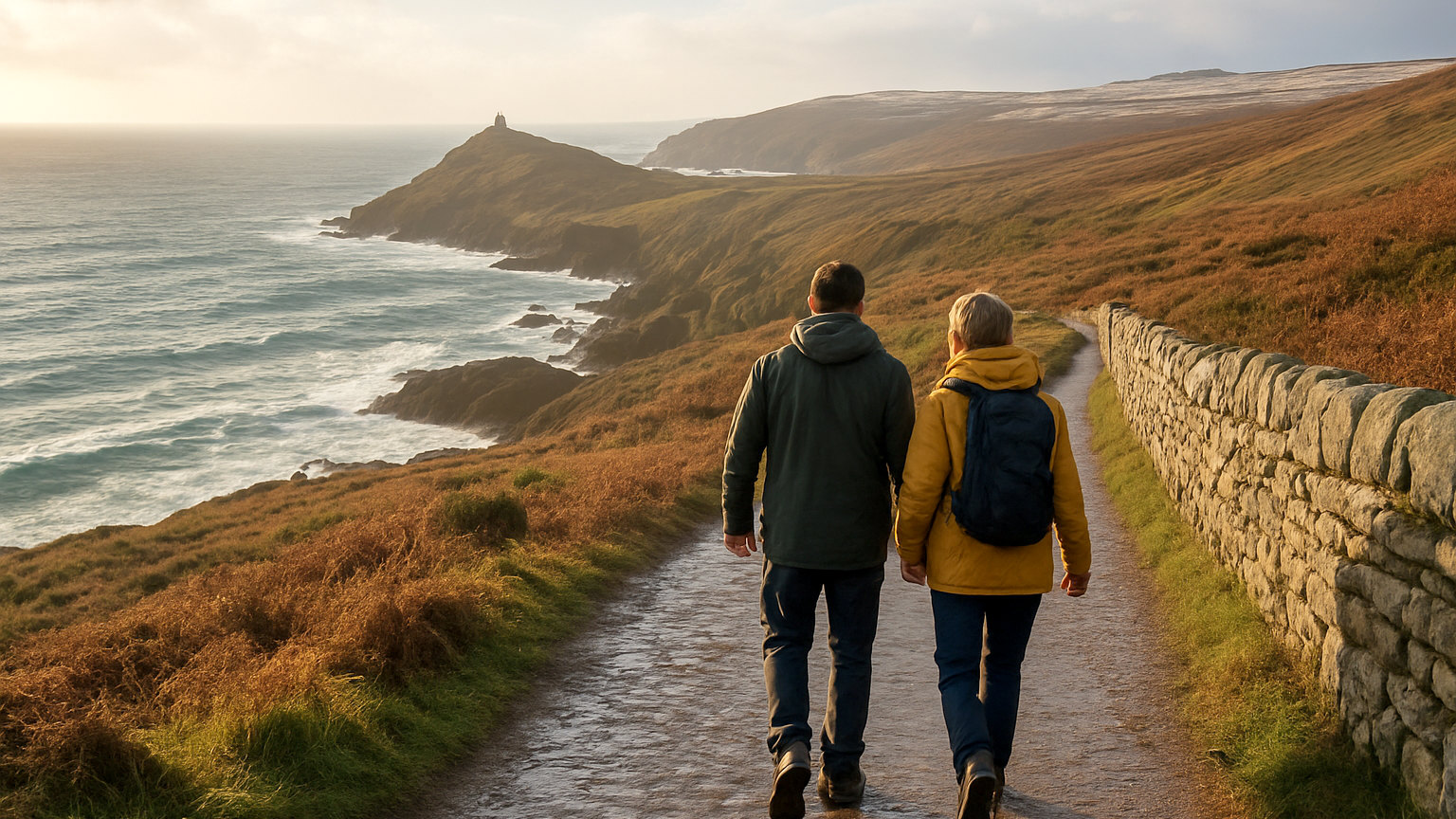
The buildings at Botallack, clinging to the cliff above the Atlantic, are the most photographed. The wider landscape around St Just, Redruth and Camborne is full of remains and largely unvisited.
What is the Welsh slate landscape?
The quarries and villages of north west Wales, which roofed much of the world and now form a World Heritage Site covering Blaenau Ffestiniog, Llanberis, Nantlle and the Ogwen valley.
The scale of the terraces and tips is enormous. Two museums, several underground attractions and narrow gauge railways serve the area, and the landscape itself is free to walk.
What about canals and waterways?
An extensive network largely abandoned and then restored by volunteers. The Pontcysyllte Aqueduct in Wales, a World Heritage Site carrying a canal across a valley on iron troughs at considerable height.
The Anderton Boat Lift in Cheshire, the Standedge Tunnel under the Pennines, and Bugsworth Basin in Derbyshire, all remarkable engineering and all quiet.
What has become of the coalfields?
Mostly returned to grass, with a small number of preserved sites offering underground tours led by former miners, including in south Wales and Yorkshire.
Several former colliery sites are now country parks and nature reserves, which is a substantial transformation and one worth seeing.
Why are these places interesting?
Because the scale is extraordinary and the landscapes are unlike anything designed. Quarries, spoil heaps and engine houses produce shapes that no aesthetic intention created.
They also carry the social history of the communities built around them, which is frequently harder and more recent than castle history.
Are they safe to visit?
The managed sites, yes. Unmanaged industrial remains carry real hazards including open shafts, unstable spoil, flooded workings and contaminated ground.
Stay on marked paths, never enter an underground working, and keep children and dogs close. Shafts are frequently unfenced and concealed by vegetation.
Where do you find out about them?
National heritage body listings, industrial archaeology societies, and local museums, which almost always cover the industry their town was built around.
Ordnance Survey mapping marks disused workings, and a walk planned around them turns up a great deal that no guidebook mentions.
Which should you visit first?
Parys Mountain for the strangeness, the Welsh slate landscape for the scale, and the North Pennines for a combination of industrial remains and empty upland.
All three are free to walk, take a day each, and are essentially unvisited compared with any castle in the same region.
What about the workers' communities?
Frequently the more affecting part. Terraces built for quarrymen and miners survive in the slate valleys, the Durham dales and west Cornwall, often in villages that lost their entire reason for existing within a generation. Chapels, institutes and welfare halls remain, several now used for other purposes, and local museums run by former workers explain the social side far better than any interpretation panel.