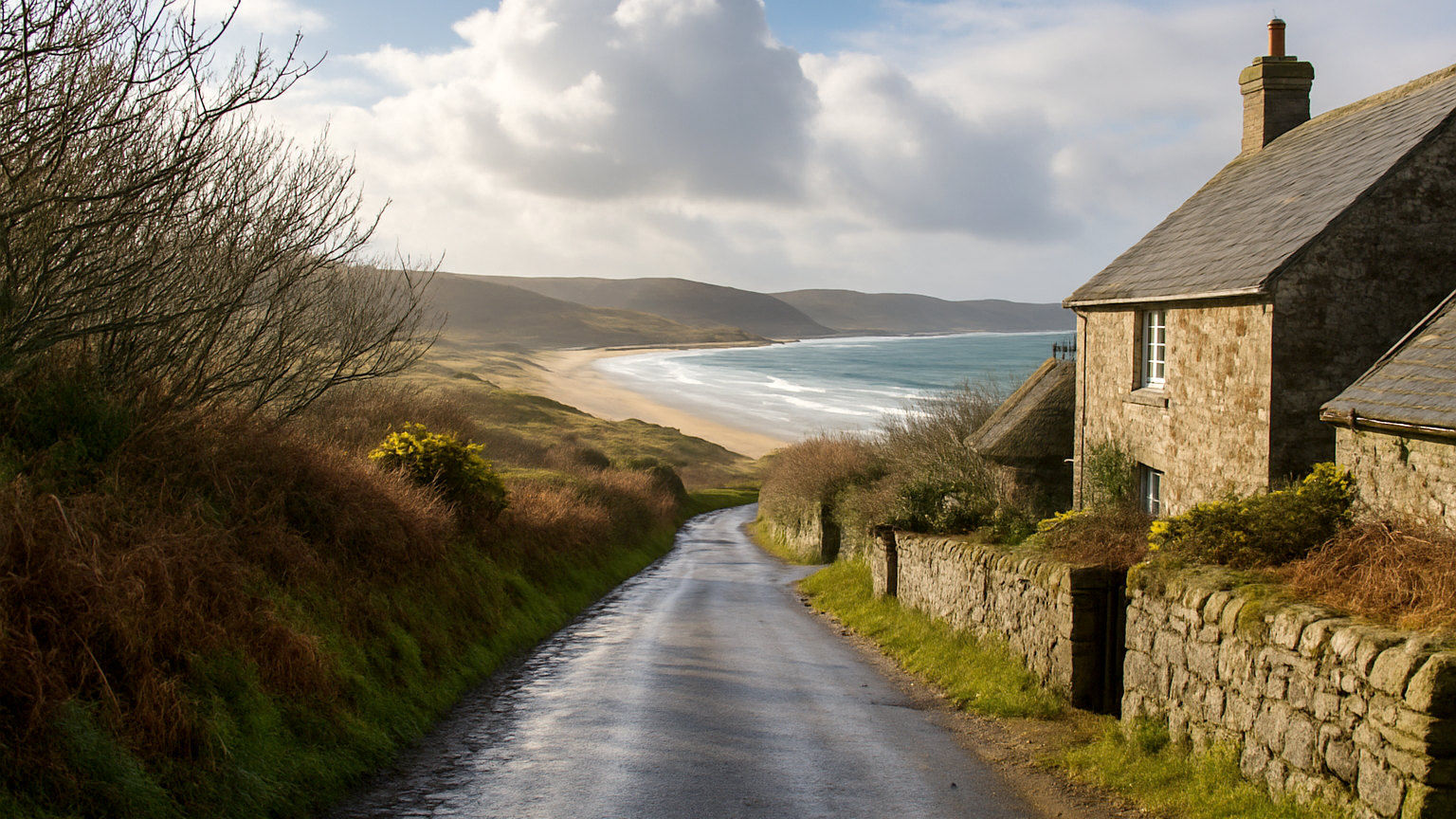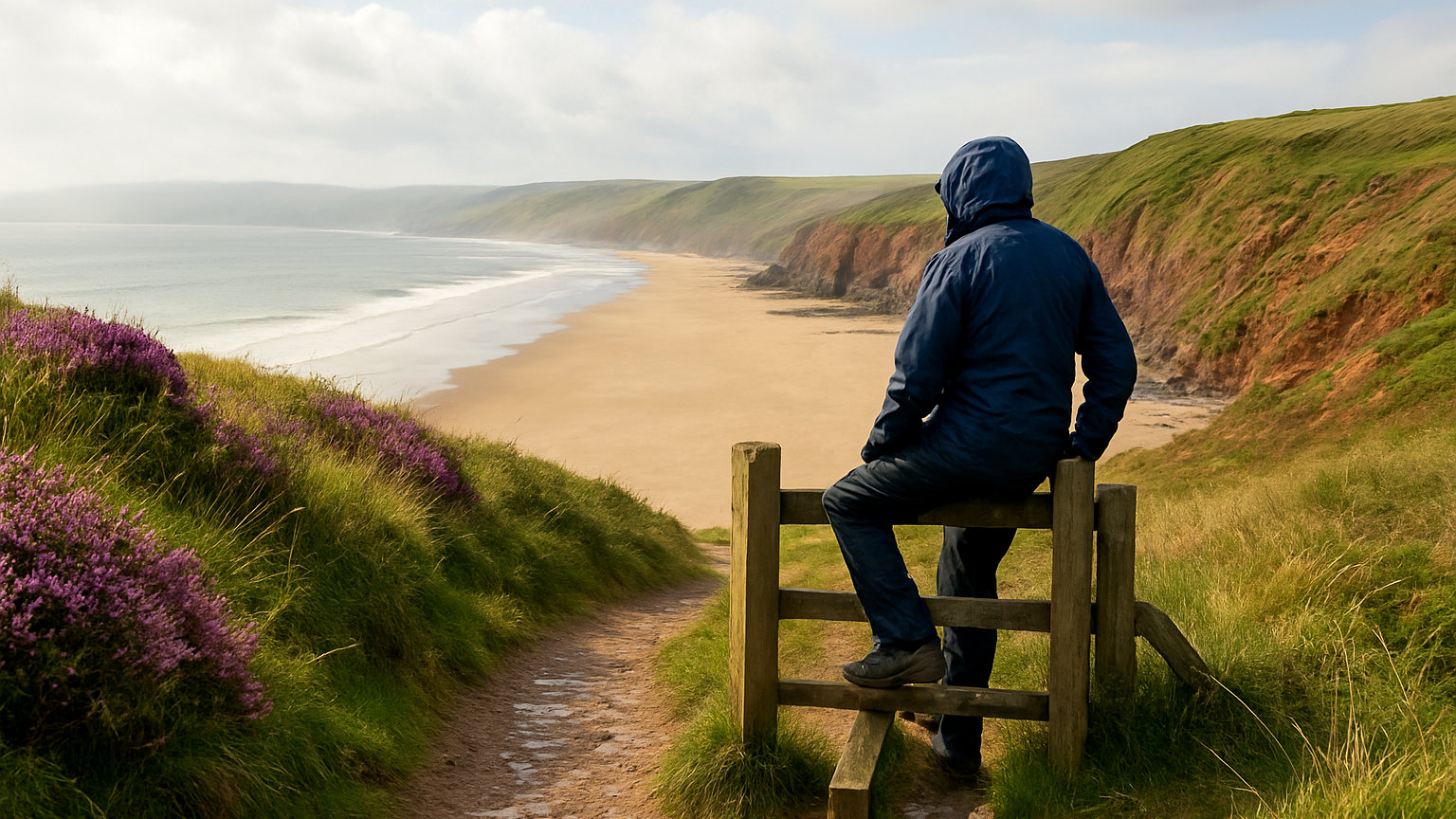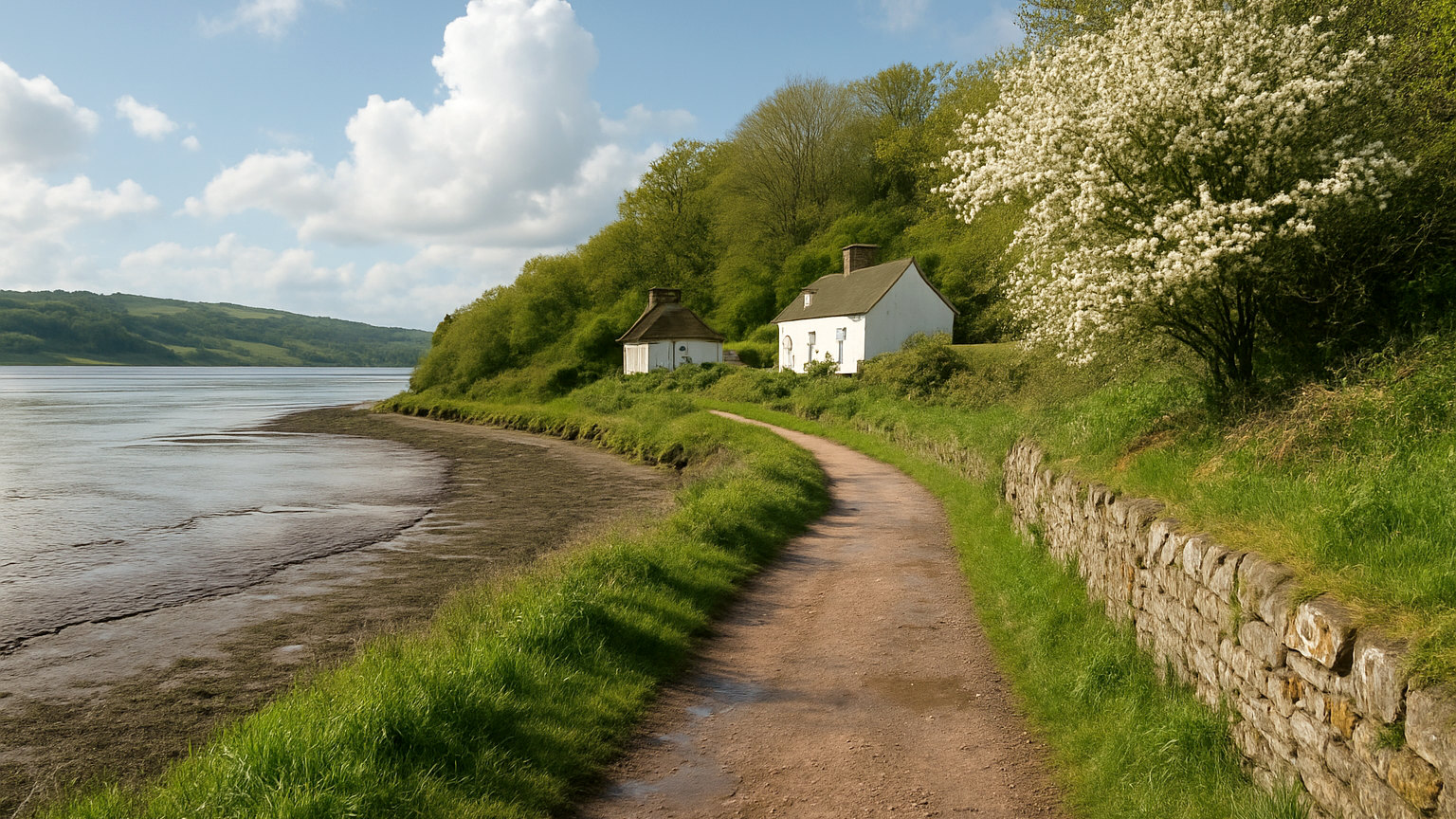
Dylan Thomas wrote about a Wales that is partly observed and partly constructed, and the places associated with him are among the more atmospheric literary sites in Britain, largely because the estuary at Laugharne looks much as it did.
Where was he from?
Swansea, born in a terraced house on Cwmdonkin Drive in the Uplands, which is preserved and furnished to the period and can be visited and even stayed in.
The park across the road appears in his work, and a centre in the city covers his life and writing in more detail.
What is at Laugharne?
The boathouse above the estuary where he lived with his family in his final years, now a museum, and the writing shed a short way along the cliff path.
The shed is the striking thing: a small garage sized structure with a window over the water and the desk left as though he had stepped out, which visitors view through the door.
What else is in the town?
Brown's Hotel, where he drank, still trading. The castle, ruined and picturesque above the estuary. His grave in the churchyard, marked by a plain white cross.
The town is very small, and a walk along the cliff path with the estuary below explains a good deal about the writing.
Is Laugharne the town in Under Milk Wood?
Partly, and the question is contested. Laugharne contributed a great deal, and New Quay in Ceredigion, where he lived earlier, also has a strong claim.
The fictional town is a composite rather than a portrait, which has not stopped either place claiming it. Both are worth visiting and both are recognisable in the work.
What is at New Quay?
A small harbour town on Cardigan Bay where Thomas lived during the war, with a walking trail linking places associated with him and with the play.
It is a working seaside town with a dolphin population offshore, which makes it a good stop independent of the literary connection.
What was his reputation?
Considerable and complicated. He was enormously popular as a performer of his own work, particularly in America, and his readings and recordings did much to establish him.
He died in New York at thirty nine, and the mythology around his drinking has tended to obscure how carefully constructed the writing actually is.
What should you read first?
The radio play, which is short, funny and designed to be heard rather than read, and which is available in recordings including one with the author performing.
The prose memoirs of childhood are the most accessible entry point. The poetry is dense and rewards being read aloud, which is how it was written to work.
Where else in Wales is connected?
Carmarthenshire generally, where his mother's family farmed and where he spent childhood summers, which appears repeatedly in the work.
Cardiff, where the play was first broadcast, and Swansea's surviving Uplands streets, though much of the city he knew was destroyed by wartime bombing.
When should you go?
Spring and autumn, when Laugharne is quiet and the estuary is at its best. The boathouse has reduced winter opening, so check before travelling.
An annual festival in Laugharne and events around his birthday in late October fill the town, which is either the reason to go or the reason to choose another week.
How does it combine with a wider trip?
Laugharne sits between the Gower and Pembrokeshire, both within an hour, and Carmarthenshire's countryside is immediately behind it.
A weekend combining Swansea, the Gower and Laugharne covers the main sites and a good deal of coastline at the same time.
What about the wider Welsh literary scene?
Wales has two literary traditions running in parallel, one in Welsh with a continuous history of well over a thousand years and one in English of more recent origin. The National Eisteddfod, held each August at a different location, is the largest festival of its kind in Europe and is conducted entirely in Welsh, with translation available for visitors.