West Yorkshire produced an extraordinary concentration of writing for a small area, most famously from one family in a parsonage on the edge of the moors, and later from a steep valley a few miles west that gave the twentieth century two significant poets.
What is at Haworth?
The parsonage where the Brontë family lived, now a museum holding the largest collection of their manuscripts, clothing and possessions, furnished as it was in their time.
The house sits at the top of a steep cobbled street, with the church and graveyard immediately beside it, and the moor beginning directly behind.
Who were they?
Charlotte, Emily and Anne Brontë, three sisters who between them wrote several novels that changed English fiction, publishing initially under male pseudonyms.
Their brother Branwell also lived there. All except Charlotte died young, and the family's story is inseparable from the place.
What is Top Withens?
A ruined farmhouse on the moor above Haworth, traditionally associated with the setting of Emily's novel, though the building itself never resembled the house described.
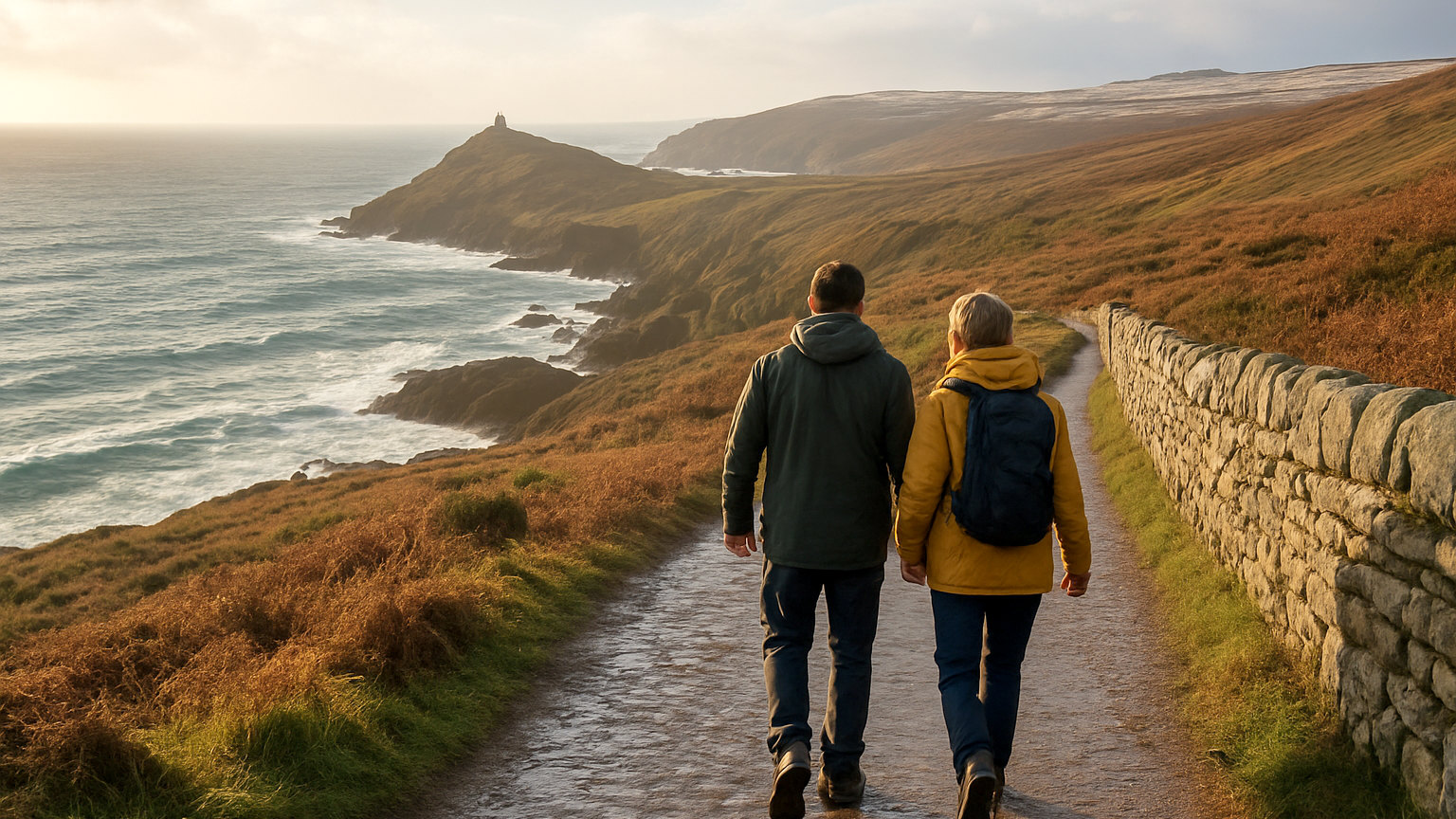
It is a walk of around three miles each way across open moorland, exposed and boggy in places, and the point is the moor rather than the ruin.
What is the Brontë Way?
A long distance path of around forty miles linking places associated with the family, from Bradford through Haworth and across to Lancashire.
Sections make good day walks, and the moorland stretch above Haworth is the one most people do.
Where were they born?
At Thornton, now a suburb of Bradford, in a small house on a terraced street which is marked and has at times operated as a cafe.
The family moved to Haworth when Charlotte was four, which is why the village rather than the birthplace is the focus.
What is in the Calder Valley?
Ted Hughes was born at Mytholmroyd and the landscape of the upper valley runs through a great deal of his work, particularly the later collections about the region.
Sylvia Plath, to whom he was married, is buried in the churchyard at Heptonstall above the valley, where the grave is visited regularly.
What is Hebden Bridge like?
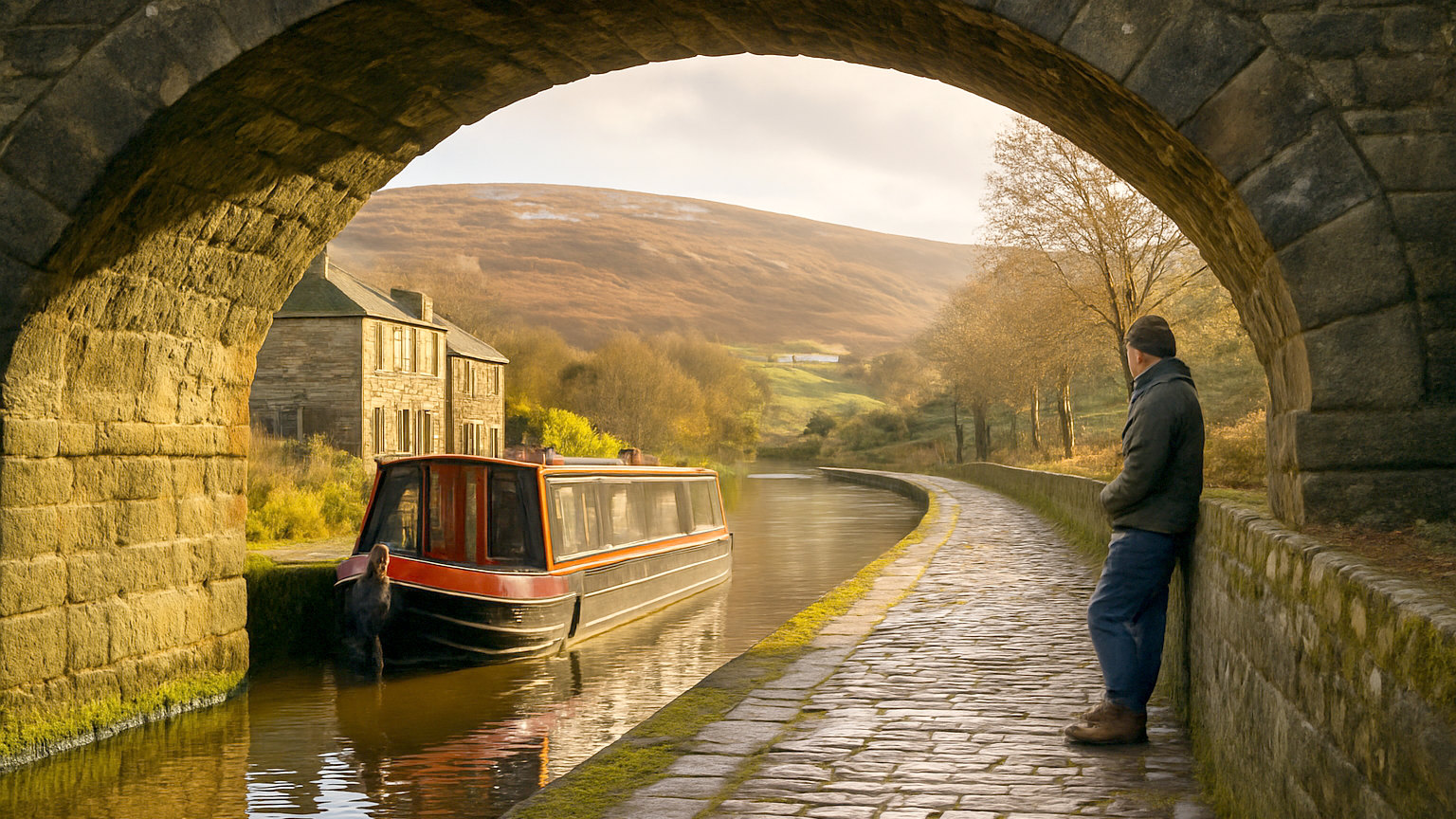
A small mill town at the bottom of a steep wooded valley, with terraced houses stacked up the hillsides, independent shops and a strong arts and music scene.
It has a distinctive character and has become a destination in its own right. Heptonstall above it is an older village of stone cottages with two churches, one ruined.
What about Bradford?
J. B. Priestley was born and grew up in Bradford and wrote about it repeatedly, and the city holds a statue of him outside the media museum.
The city also has Saltaire on its edge, a model village and World Heritage Site built for mill workers, with a gallery holding a major collection of one artist's work.
How do you reach Haworth?
By the Keighley and Worth Valley Railway, a preserved steam line running from Keighley up the valley, which is much the best approach.
Keighley is on the national network from Leeds and Bradford, so the whole journey can be made by train.
How busy does Haworth get?
Very, in summer and at weekends, since it draws visitors from around the world. The main street is small and fills quickly.
Early mornings and winter weekdays are transformed, and the moor above is empty at any time of year.
What should you expect on the moors?
Exposed ground with no shelter, weather that changes fast, and paths that are wet and rough in places. Proper footwear and a map are needed.
It is the landscape the books came out of, and walking it in bad weather is arguably the more authentic experience.
When should you go?
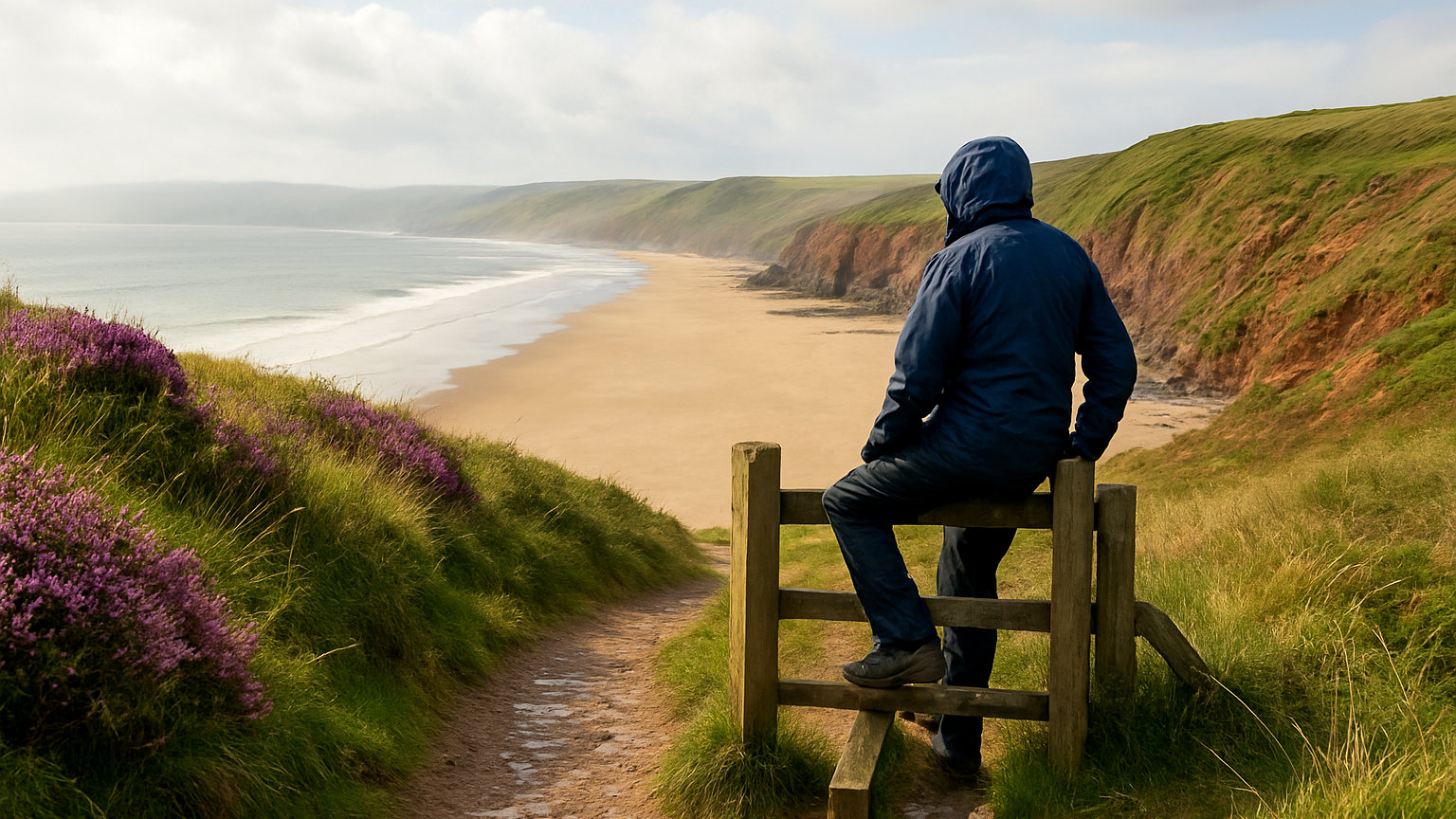
August for the heather on the moors, and autumn for the wooded valleys around Hebden Bridge, which colour well.
Winter suits the parsonage and the moor better than summer does, if you are dressed for it.