The Romantic poets did more than any other group to change how Britain regards its own landscape, and they did it largely from two small areas. Both survive, both are visitable, and the connection between the writing and the ground is unusually direct.
Where is the centre of it?
Grasmere in the Lake District, where Wordsworth lived at Dove Cottage from the turn of the nineteenth century and produced much of his best work in a few intensely productive years.
The cottage is small, dark and low ceilinged, which is itself informative, and the associated museum holds one of the most important literary manuscript collections in the country.
What else is in the Lakes?
Rydal Mount, the larger house Wordsworth moved to later and lived in for the rest of his life, with a garden he laid out himself. His birthplace at Cockermouth.
Greta Hall in Keswick, where Coleridge and later Southey lived. The graves of the Wordsworth family in Grasmere churchyard, which are plain and much visited.
What happened in the Quantocks?
Coleridge lived at Nether Stowey in Somerset and Wordsworth nearby, and in that single year they produced the collection that is generally taken to begin English Romanticism.
Coleridge's cottage is open, and a long distance path through the Quantocks follows the country they walked, which is gentler and far quieter than the Lakes.
What about Keats?
His house in Hampstead in north London, where he lived for two years and wrote most of the poetry he is remembered for, including within a single extraordinary spring and summer.
He also walked in Scotland and the Lake District, and died in Rome at twenty five, so the British sites are few and concentrated.
Where do Byron and Shelley fit?
Both spent formative periods in Britain and much of their productive life abroad. Newstead Abbey in Nottinghamshire, the Byron family seat, is open and substantial.
Shelley's British connections are more scattered, with associations in Sussex, Oxford and the Lake District rather than a preserved house.
What did they change?
The idea that mountains and wild country were worth visiting at all. Before them, the Lake District and similar landscapes were regarded as barren and unpleasant rather than beautiful.
Wordsworth's guide to the Lakes was itself a bestseller and effectively invented British landscape tourism, an irony given his later objections to the railway bringing visitors.
What can you walk?
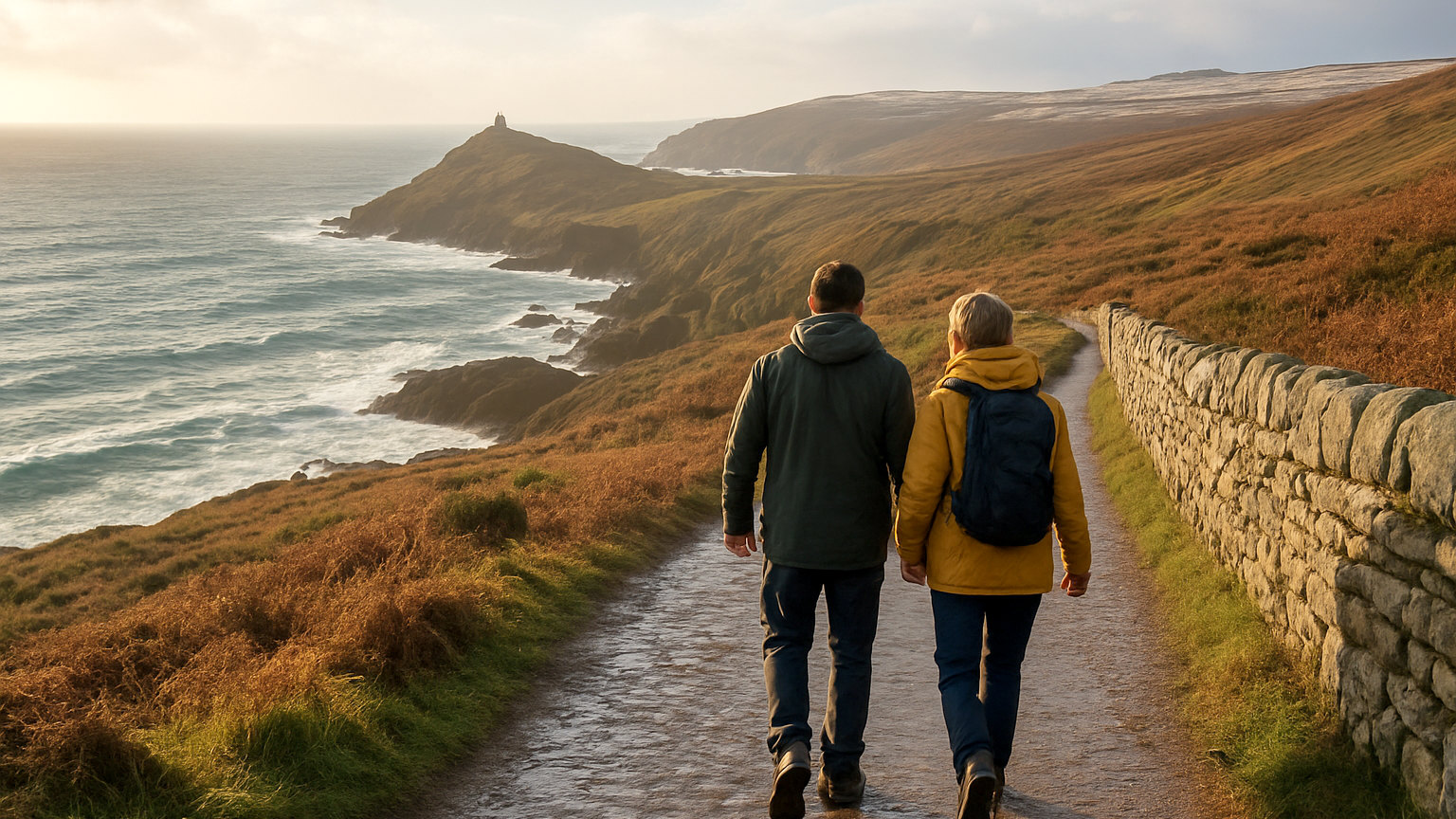
A great deal. The Grasmere and Rydal circuit passes both Wordsworth houses and the churchyard in a few miles. The Coleridge Way crosses the Quantocks and Exmoor.
Several of the specific walks described in letters and journals are followable, and Dorothy Wordsworth's journals are the best guide to the daily landscape of the period.
What about Dorothy Wordsworth?
Her journals are increasingly recognised as remarkable in their own right, and passages in her brother's poetry draw directly on her observations.
Dove Cottage covers her properly, and reading the journals alongside the poems changes how the household's work is understood.
When should you visit?
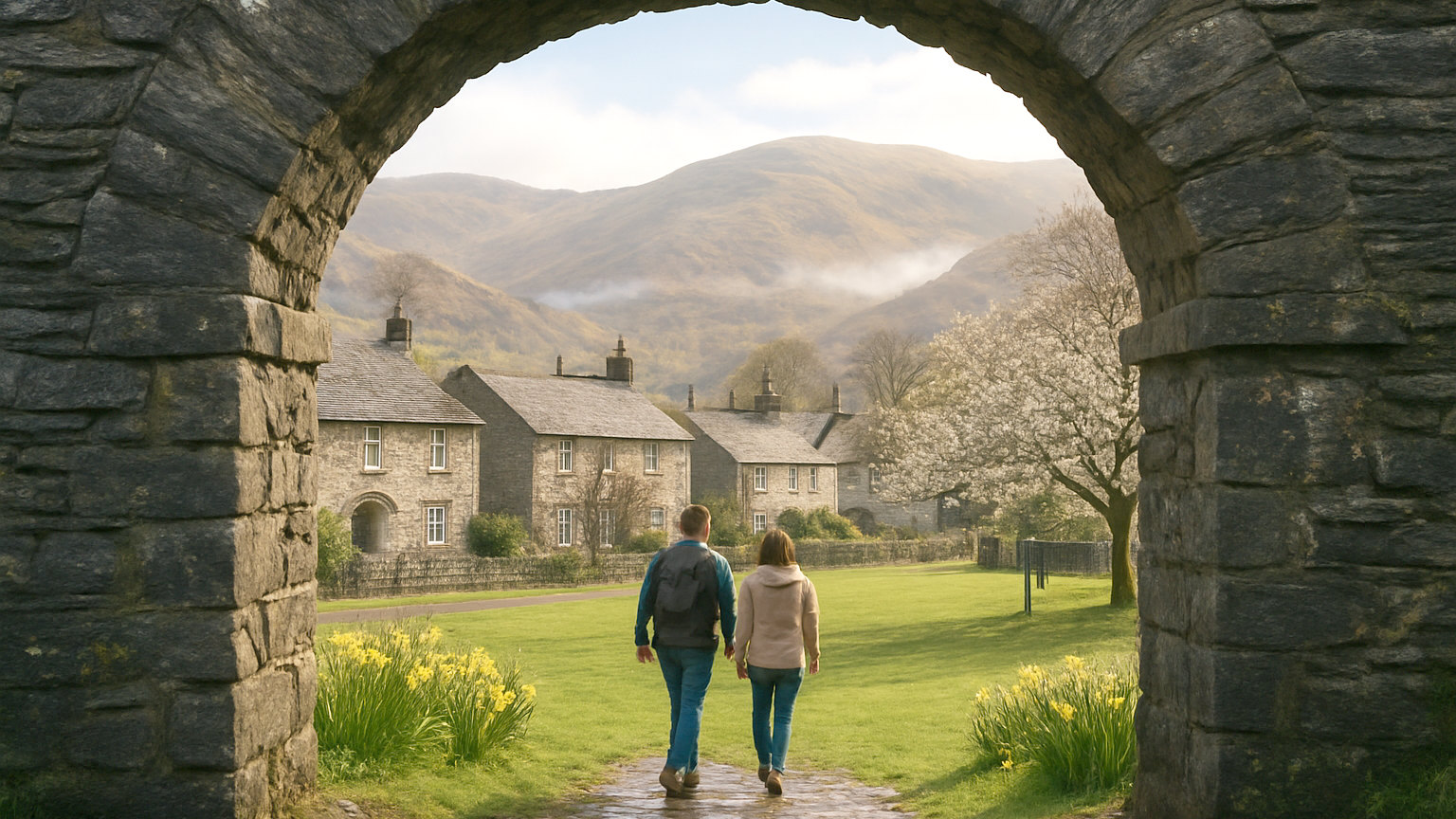
Spring for daffodils in the Lakes, which is unavoidable given the associations, and autumn for colour and fewer people. The Quantocks are quiet in any season.
Grasmere in July is extremely busy; the same village in February is almost empty and the fells look considerably more Romantic.
What should you read first?
The collection Coleridge and Wordsworth published jointly, which is short, and Dorothy's journals, which are readable and immediate.
Then walk the ground. This is the literary landscape where doing so makes the most difference, because the writing is about the specific experience of being in it.
What about the wider circle?
Robert Southey, Thomas De Quincey and Charles Lamb all belong to the same period and appear in the same places, and several of the surviving houses cover them alongside the better known names. The circle was small, quarrelsome and closely connected, and the museums at Grasmere and Nether Stowey both explain those relationships better than a single writer's biography would.