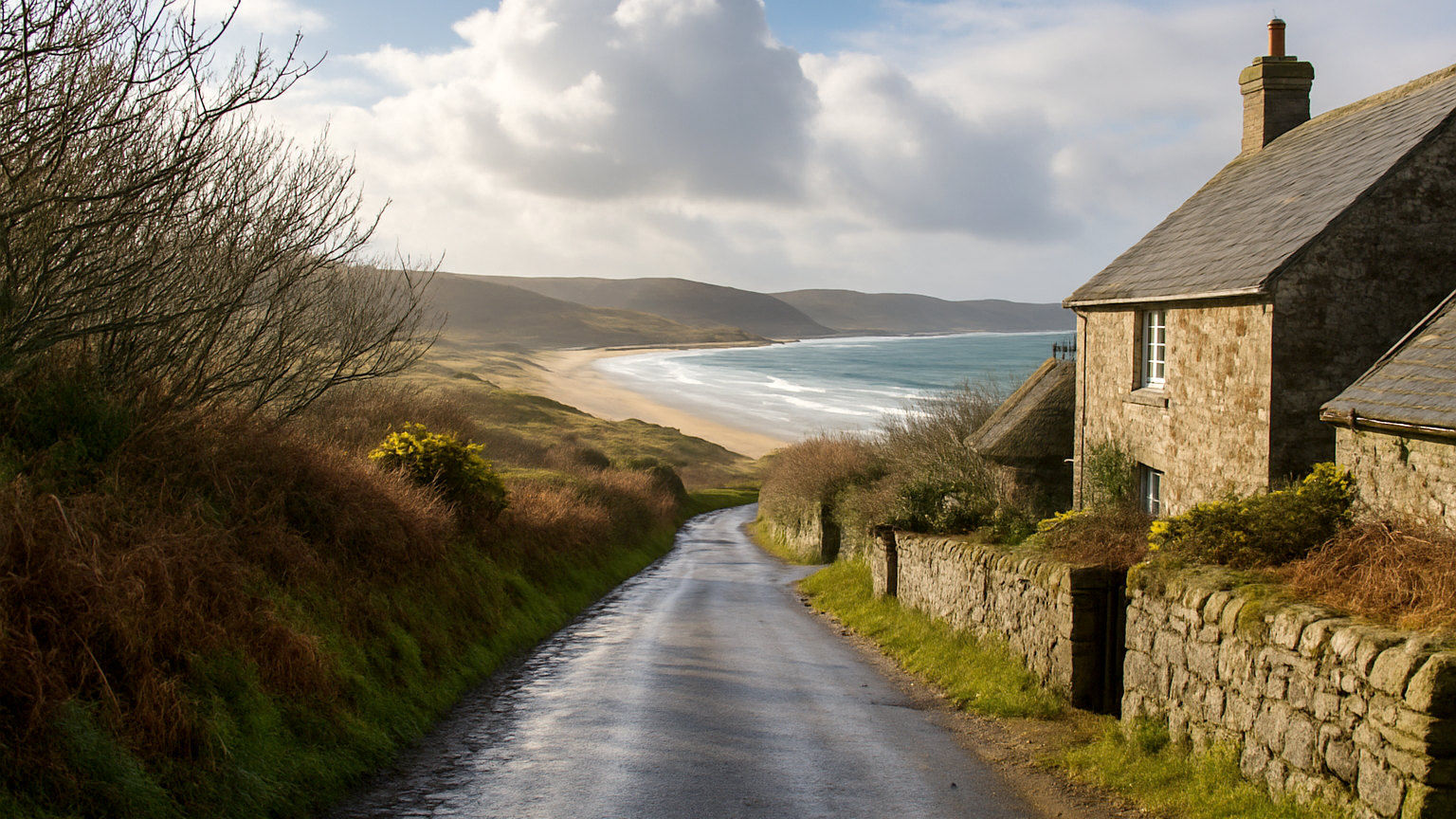
Autumn is the best driving season in Britain. The roads empty once the schools return, the light is at its lowest and warmest, colour arrives in the woods and the bracken turns whole hillsides rust. It also brings wet leaves and early darkness, which changes how a day is planned.
Where is the colour best from a car?
Perthshire, which has an exceptional concentration of mature trees along the roads around Dunkeld, Pitlochry and Killiecrankie, and where the driving itself passes through the display.
The Wye Valley between Chepstow and Monmouth, wooded and winding, with viewpoints above the river.
Which English routes work best?
The New Forest ornamental drives, laid out through ancient woodland and planted specifically for effect. The Chiltern beech woods in late October.
Borrowdale and the wooded Lakeland valleys, the North York Moors through Dalby and the Esk valley, and the Peak District dales.
What about the uplands?
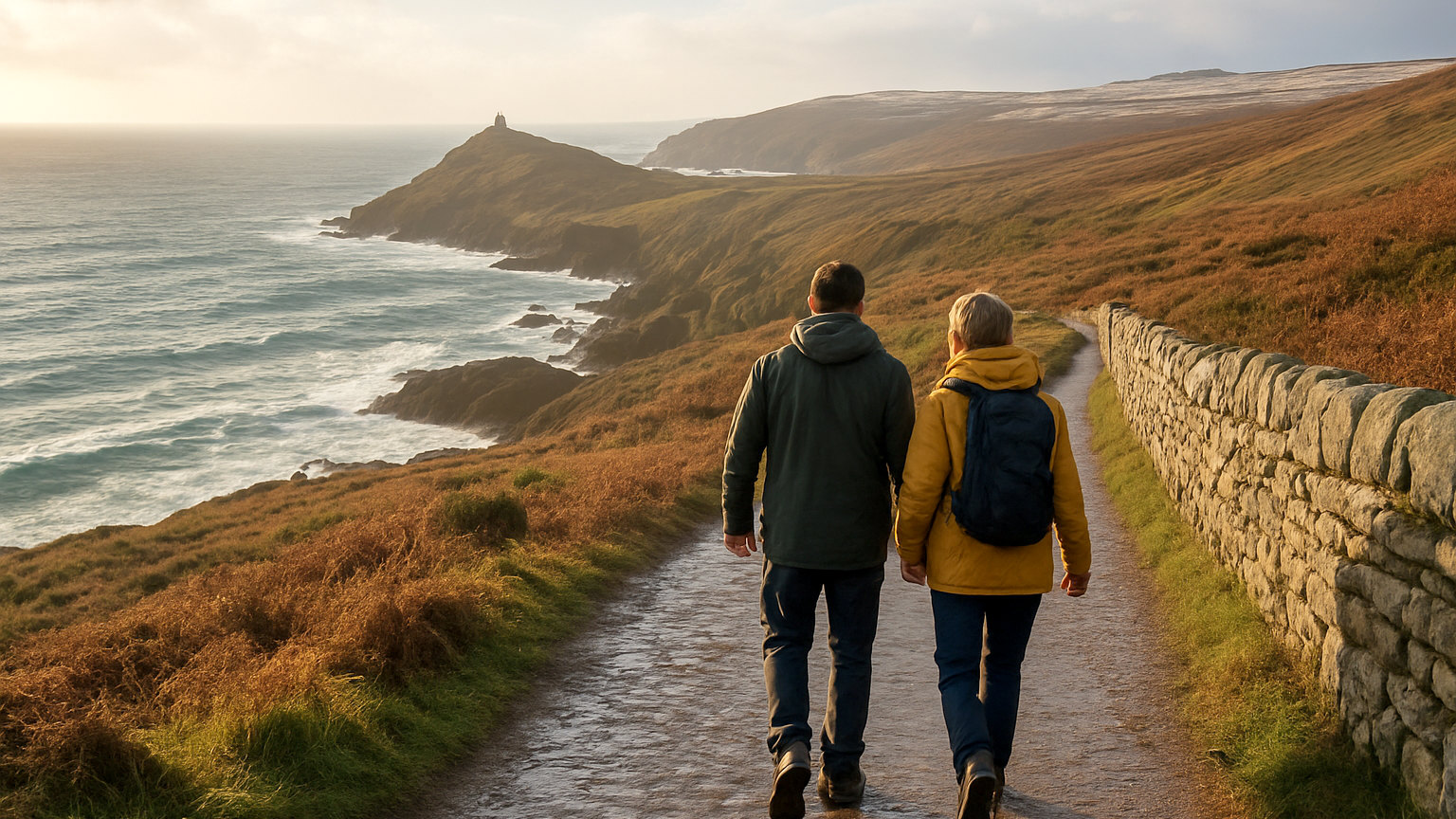
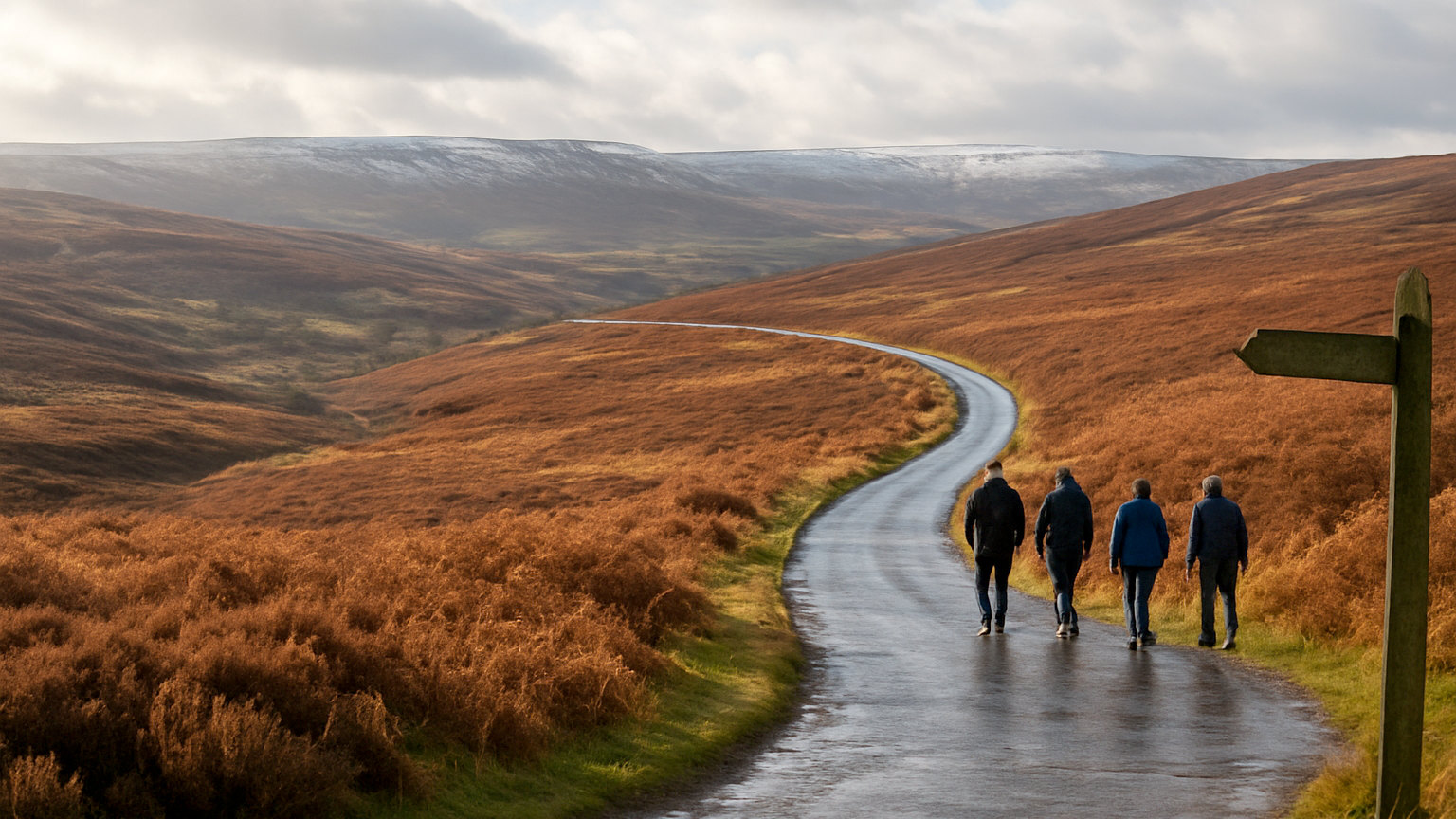
Bracken turning rust across the hillsides is the characteristic autumn sight in upland Britain and is at its best from mid October.
Moorland roads in the Pennines, Dartmoor, Exmoor and the Highlands all look completely different from their summer selves, and the heather flowering in August has already passed by then.
When does it peak?
Mid October to early November in most of the country, later in the south and west and earlier at altitude and in Scotland.
Several organisations publish colour reports weekly through October, which is the reliable way to time a drive rather than guessing.
What makes the light so good?
The sun stays low all day, which produces long shadows and warm colour from mid morning through to mid afternoon rather than only at the ends of the day.
Mist in valleys on still mornings is common in autumn and produces the conditions photographers travel for.
What are the hazards?
Wet leaves, which are genuinely slippery, particularly on bends and downhill sections under trees. Standing water after rain and the first frosts on high ground.
Deer, which are most active during the autumn rut in October and are involved in a large number of collisions, particularly at dawn and dusk.
How does the daylight affect planning?
Substantially once the clocks change at the end of October, after which sunset moves before five and then earlier. A drive planned for a summer day will finish in darkness.
Start early, which also gives the mist and the best light, and plan to be off unlit rural roads before dark where possible.
What else is worth stopping for?
Fungi in the woods, at their best in the same weeks. The deer rut, watchable in several parks and on open hill. Apple pressing at cider farms.
Autumn also brings the food festivals and the last of the agricultural calendar before winter.
How busy are the roads?
Much quieter than summer, apart from the October half term week, which produces a short spike, and weekends at the well known colour destinations.
Weekdays in the first three weeks of October are among the best driving conditions of the year in Britain.
What is the best autumn drive?
Perthshire in the third week of October, or the Wye Valley in the first week of November, both timed against a published colour report.
Either gives colour, low light and empty roads, which is the combination that makes autumn the best driving season here.
What should you take?
Sunglasses, which sound trivial and matter a great deal when driving into a low sun that sits at windscreen height for much of the day. A clean windscreen inside and out, since low light through a smeared screen is genuinely dangerous. And a torch, given how early it gets dark once the clocks change.
One last point: autumn is also when road surfaces deteriorate, with wet leaves, standing water and the first ice all arriving before the winter maintenance season. Rural minor roads are at their worst in November.