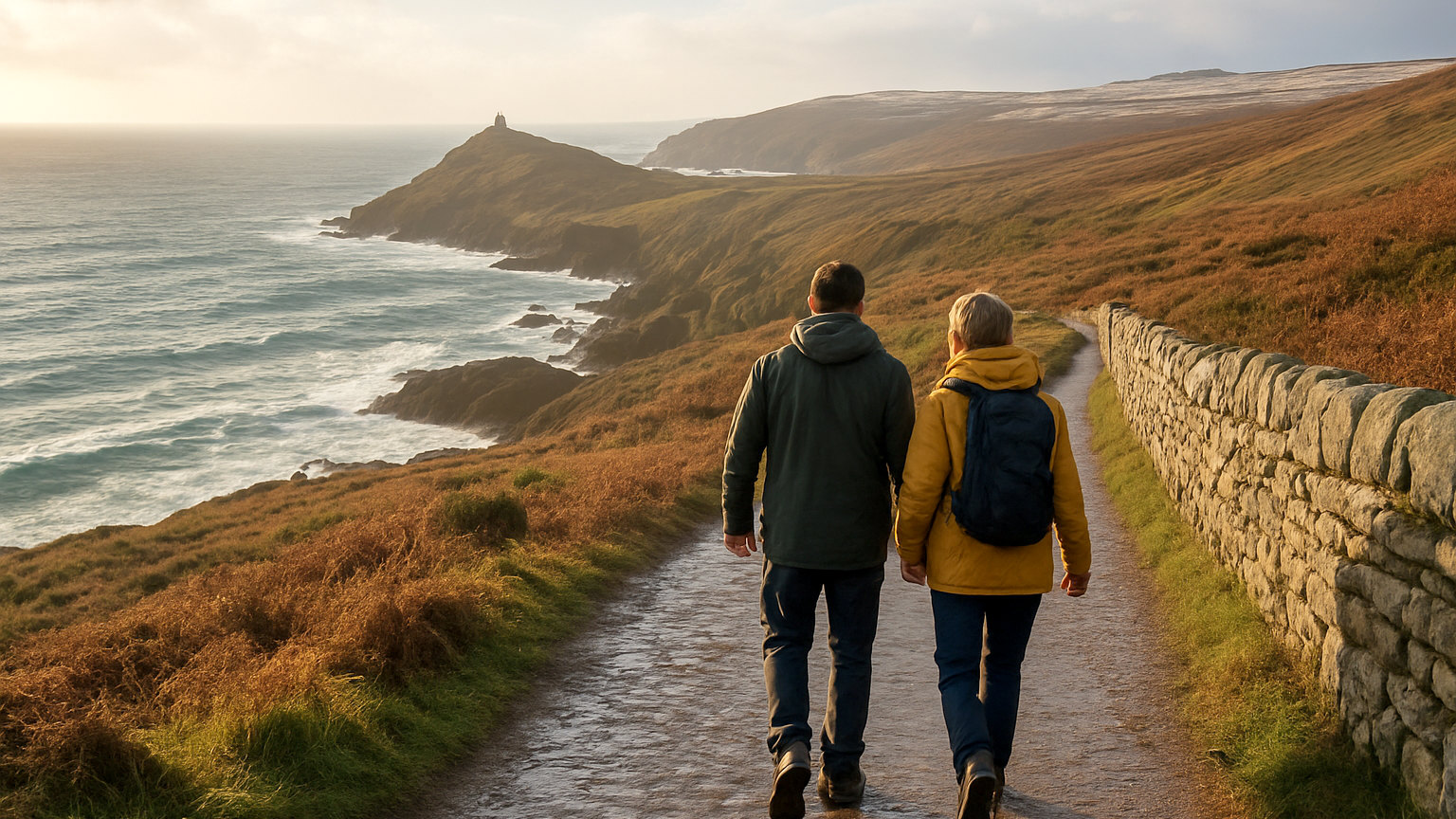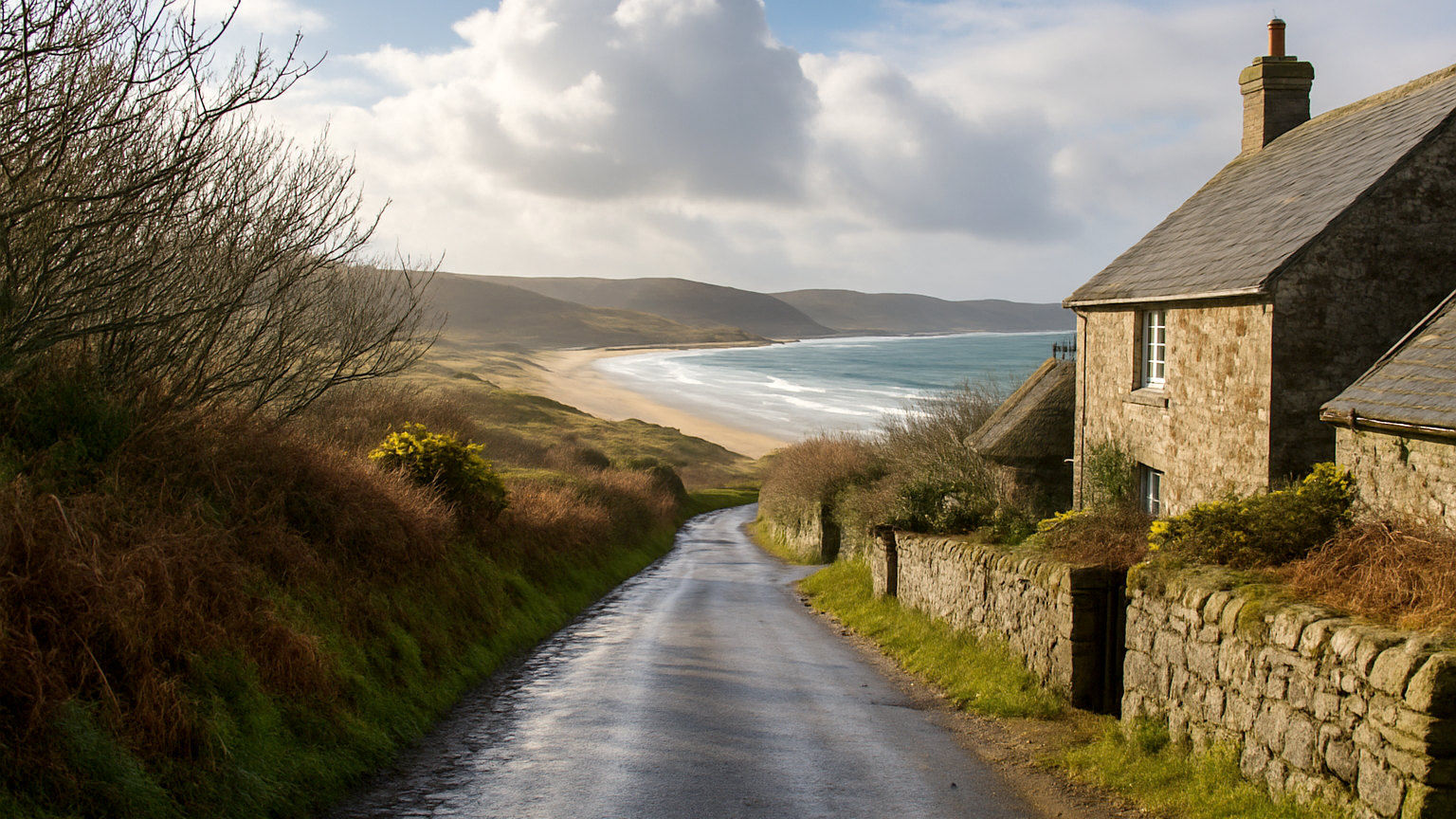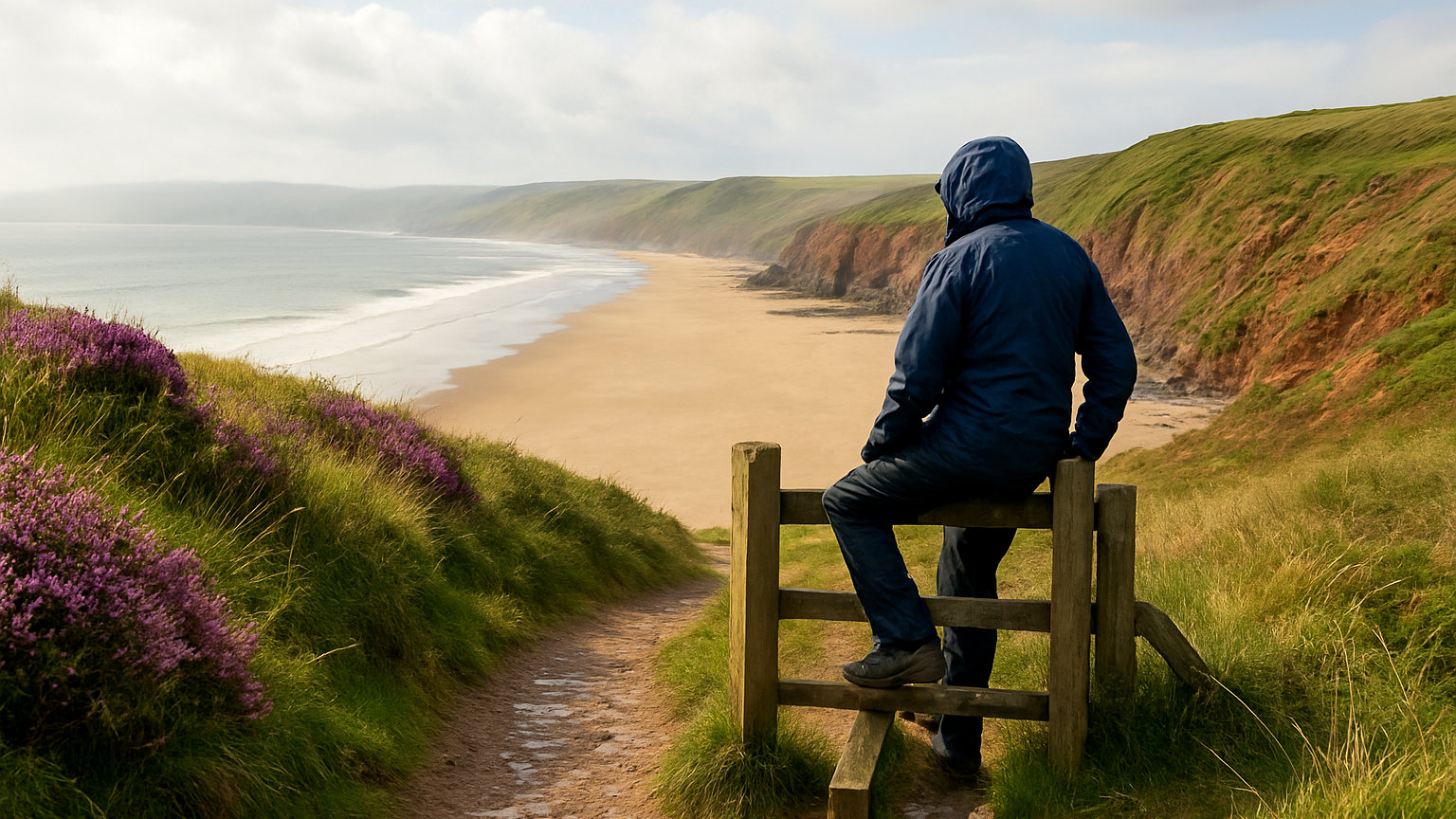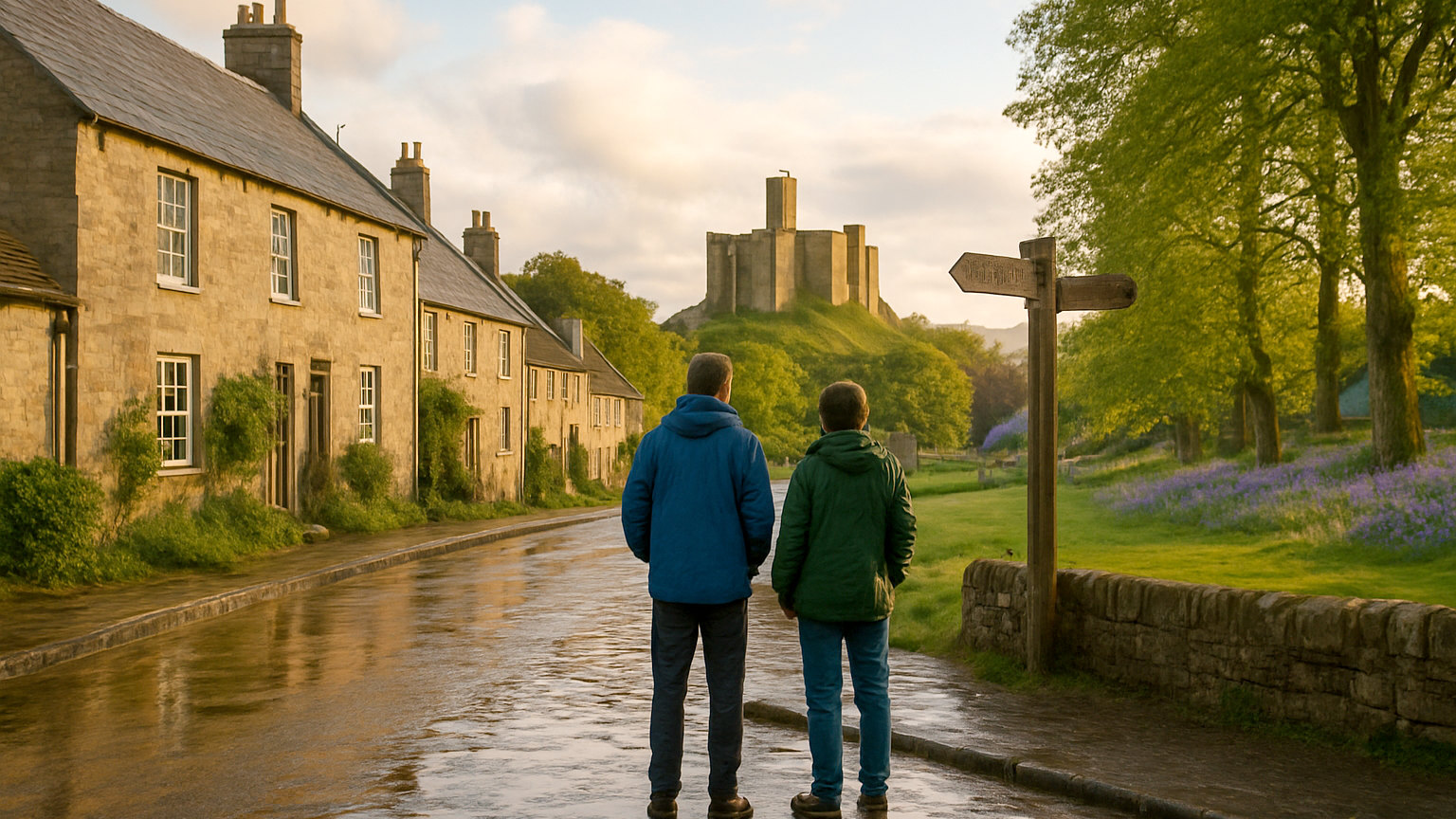
The Northumberland coast between Alnmouth and Berwick is among the finest driving in England and among the least used. Minor roads run behind the dunes, linking villages and castles, with the main road inland taking the traffic that would otherwise spoil it.
What is the route?
Leave the main north road at Alnwick or Alnmouth and follow the minor roads through Craster, Embleton, Beadnell, Seahouses and Bamburgh, rejoining for Holy Island and Berwick.
It is around forty miles and takes a full day with stops, which is the correct way to do it.
What is at Warkworth?
A castle on a bluff inside a loop of the Coquet, dominating the village below, with a keep of unusual cross shaped plan that survives largely intact.
Upstream a hermitage cut into the rock face is reached by rowing boat in season, which is an unusual thing to be able to do.
Why stop at Craster?
A tiny fishing village with a harbour and a smokehouse that has produced kippers by traditional oak smoking for well over a century.
From the village a level walk of around a mile and a half along the shore reaches Dunstanburgh Castle, a vast ruined gatehouse standing alone on a headland with no road to it.
What is Bamburgh like?
A castle on a basalt outcrop above an enormous beach, inhabited and open to visitors, which is the defining image of the county.
The village below holds a museum to Grace Darling, who rowed out with her father in 1838 to rescue survivors from a wreck and became a national celebrity.
What are the beaches like?
Enormous, sandy and almost empty even in August, backed by dunes and running for miles between rocky points.
Embleton, Beadnell, Bamburgh and Ross Back Sands are the best of them. The sea is genuinely cold and there are no lifeguards on most.
What about the Farne Islands?
Boats run from Seahouses to a group of islands holding very large seabird colonies including puffins, and a substantial grey seal population.
The season runs roughly April to October, landings are restricted at times and sailings are weather dependent.
How does Holy Island work?
Reached by a causeway that floods twice daily, with safe crossing times published in advance and displayed at both ends.
They are not advisory. Vehicles are stranded every year. Check the times for your date before planning that part of the drive.
What is at Berwick?
A town that changed hands between England and Scotland repeatedly, with the most complete Elizabethan artillery ramparts in Europe, walkable in a full circuit.
Three bridges cross the Tweed, including a railway viaduct, and the painter Lowry visited repeatedly and painted the town.
What are the roads actually like?
Narrow in places, well surfaced and quiet, with village streets that fill with parked cars in summer at Craster, Bamburgh and Seahouses.
Parking is the constraint rather than traffic, and the popular villages fill by mid morning in August.
When should you drive it?
Spring and autumn for space and light. Summer for the Farne Islands and the beaches, accepting the parking difficulty.
Winter is dramatic and empty, with big seas against the castles and very short days.
What else is inland?
Alnwick with its castle and garden, the Cheviot Hills, Hadrian's Wall an hour south west and Kielder with its dark skies.
The whole county is the least visited in England for its quality, which is the point of going.
Where should you stay?
Bamburgh, Beadnell and Craster for the coast itself, Alnwick for a town with more choice, and Berwick at the northern end. Accommodation is limited in the villages and books well ahead for summer. Camping and caravan sites are numerous along this coast and several sit directly behind the dunes.
One last point: this coast is exposed and the wind off the North Sea is constant, so take considerably more warm clothing than the temperature suggests, even in July.