The shoulder seasons, broadly April and May at one end and September and October at the other, are when Britain is at its most usable. Everything is open, the weather is workable, prices have not peaked and the crowds are a fraction of the summer.
Why are they better than summer?
Because the only advantage summer holds is slightly warmer air, and it comes at the cost of higher prices, full car parks, booked restaurants and congested roads.
The sea is warmer in September than in July. Daylight in late April and early September is still long. Attractions are open and staffed.
What are the exact windows?
From roughly the middle of April until the Whitsun bank holiday in late May, and from the first week of September until the last week of October.
Within those, term time weeks are quietest of all, with the Easter and May holidays and the October half term producing short spikes.
What is best in April and May?
Gardens at their peak, bluebell woods, the dawn chorus, lambing, seabird colonies filling, and the driest weather of the year statistically.
Long days without the summer crowds, and hills that are green rather than parched.
What is best in September and October?
The warmest sea of the year, autumn colour, the deer rut, fungi, food festivals and harvest events, and light that photographers consider the finest available.
Prices drop sharply in the first week of September, which is the single largest step change in the calendar.
What are the risks?
Weather, which is more variable than in high summer, and shorter days at the outer edges of each window. Late October in particular loses an hour when the clocks change.
Some seasonal attractions and services close from the end of October, so check anything the trip depends on.
How much cheaper is it?
Substantially. Accommodation in popular areas can be half the August rate, minimum stay requirements disappear and short breaks become available.
Restaurants take walk ins, ferry and rail fares fall, and attractions have capacity rather than queues.
Which destinations benefit most?
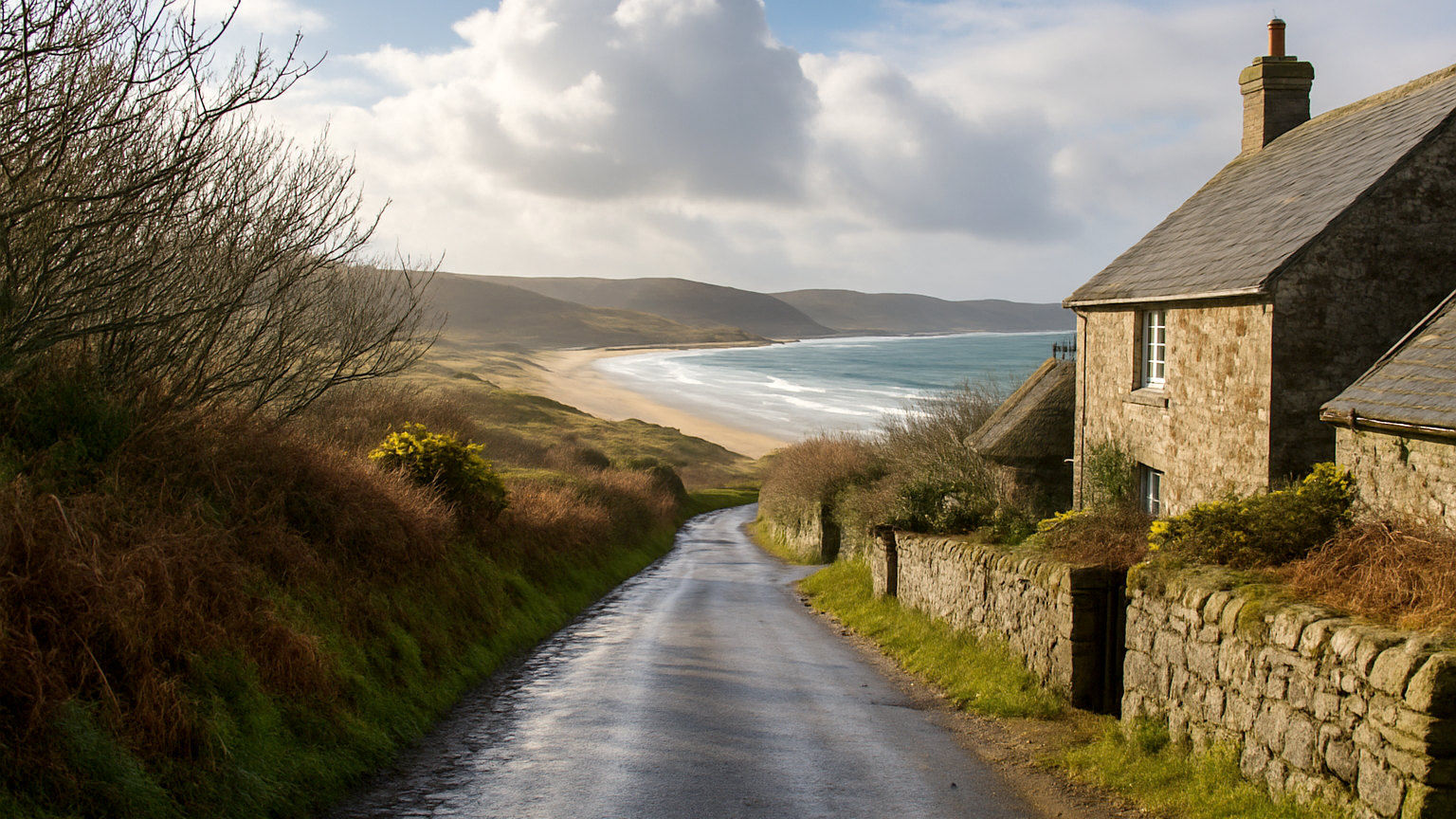
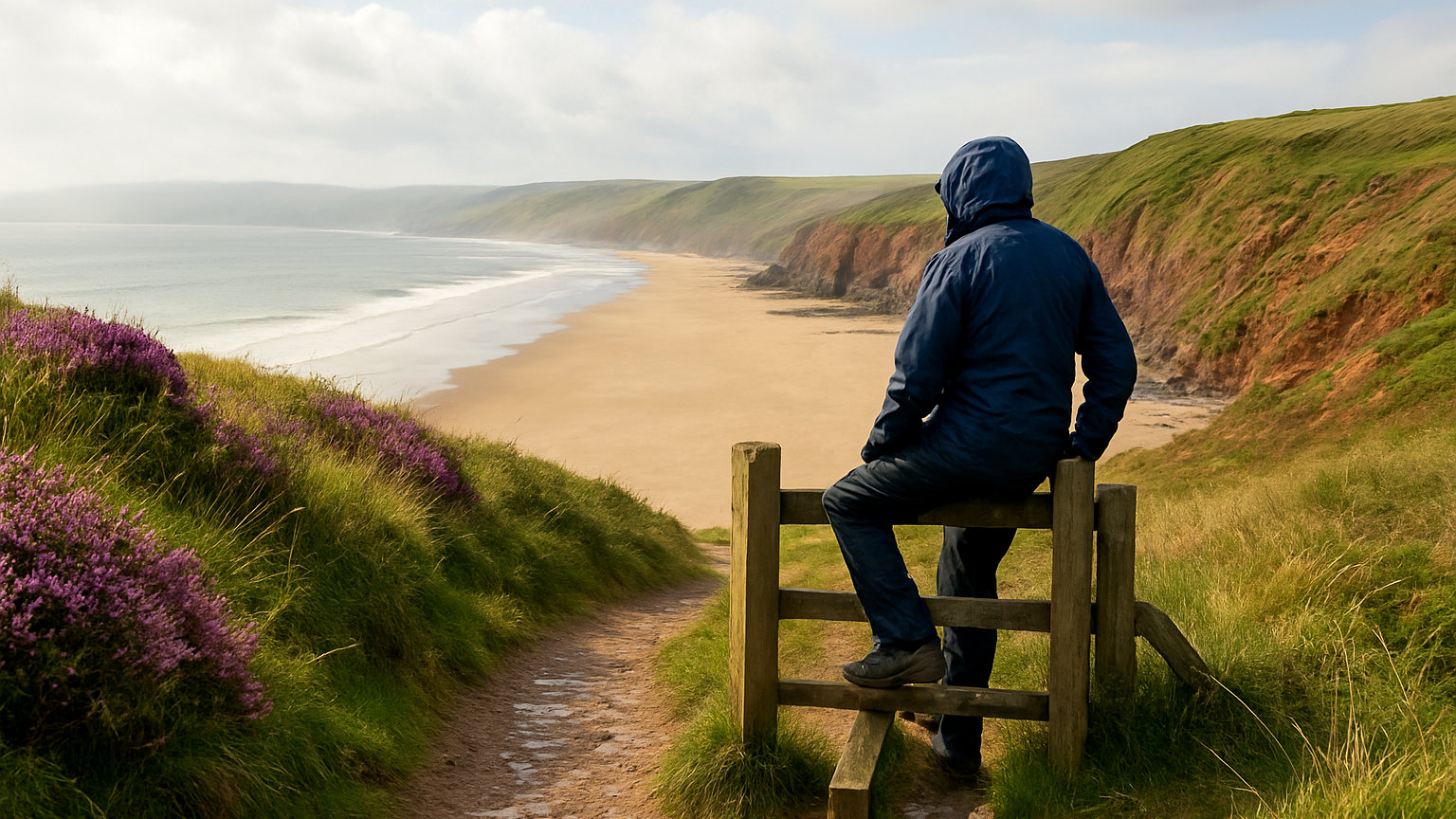
Those that are overwhelmed in summer: Cornwall, Devon, the Lake District, the Peak District, Pembrokeshire and the Cotswolds all become genuinely pleasant in the shoulder months.
The difference between the Lake District in August and in late September is the difference between two entirely different places.
What about the islands?
Ferry frequency drops from October, and some services and accommodation close for winter, so late September is the practical end of the island season.
May and June are the best island months, with long light, full timetables and weather at its most settled.
What should you check?
Opening dates for anything specific, since a good many properties operate a season from March or April to October and the edges vary by property.
Also school holiday dates for the four nations, which differ and which determine where the short spikes fall.
What is the best single week?
The first full week of September for coast and sea, and the third week of October for colour and wildlife.
Anyone with flexible dates who travels only in those two weeks will see Britain at its best for the lowest prices of the year.
Does the weather actually differ much?
Less than people assume. May and September both average temperatures close to June and August in much of Britain, and May is statistically drier than July. What genuinely differs is daylight at the outer edges and sea temperature, which is far warmer in September than in May. On the evidence, the shoulder months give up very little weather in exchange for a great deal of space.
One final point: attractions are frequently better staffed and less rushed outside peak season, and guides have time to talk. The same visit is simply a better experience in October than in August.
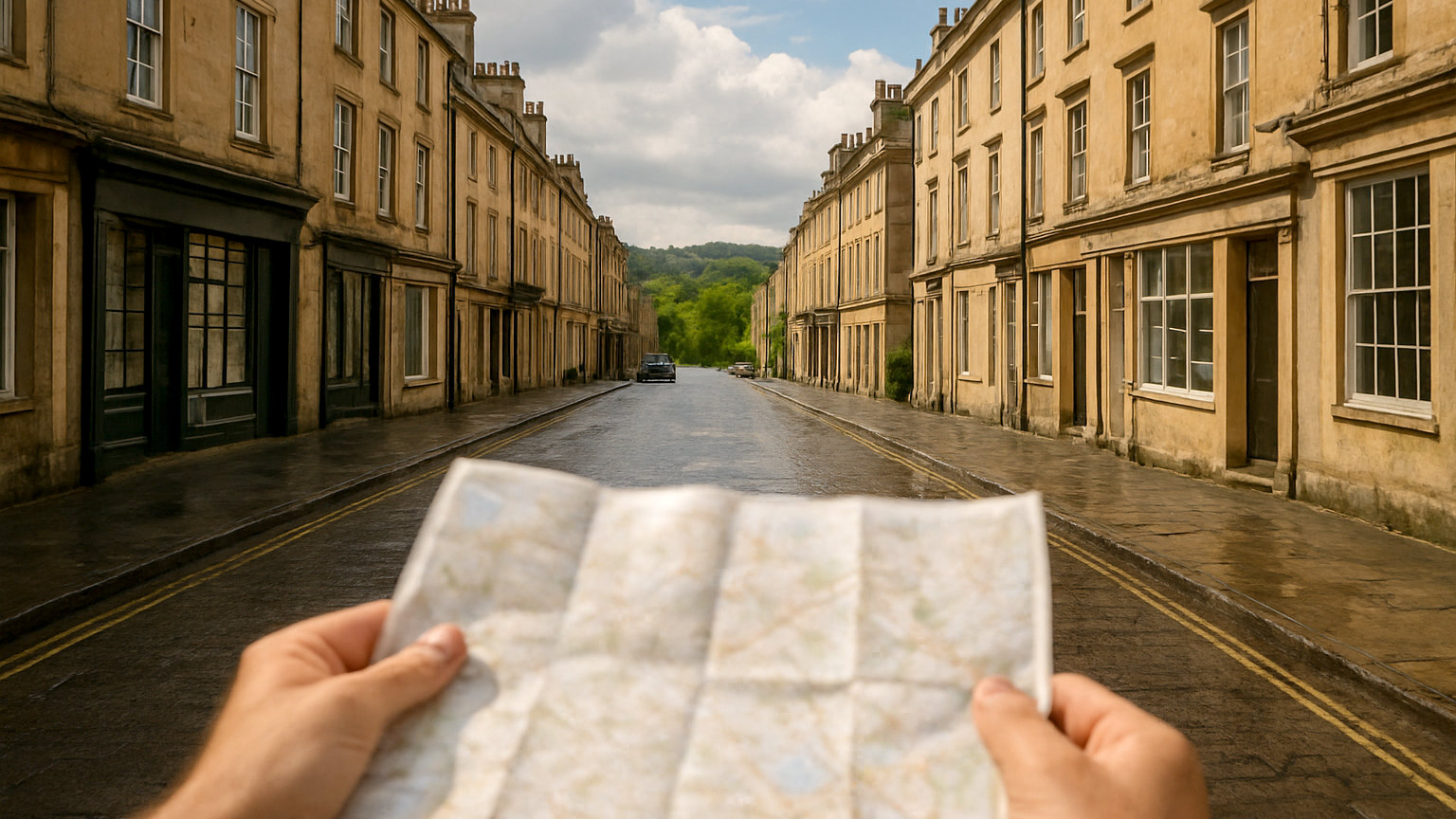
One last thought: these are also the best weeks to visit somewhere you have been before in summer. The same place with a fifth of the people is a genuinely different experience, and frequently a better one.