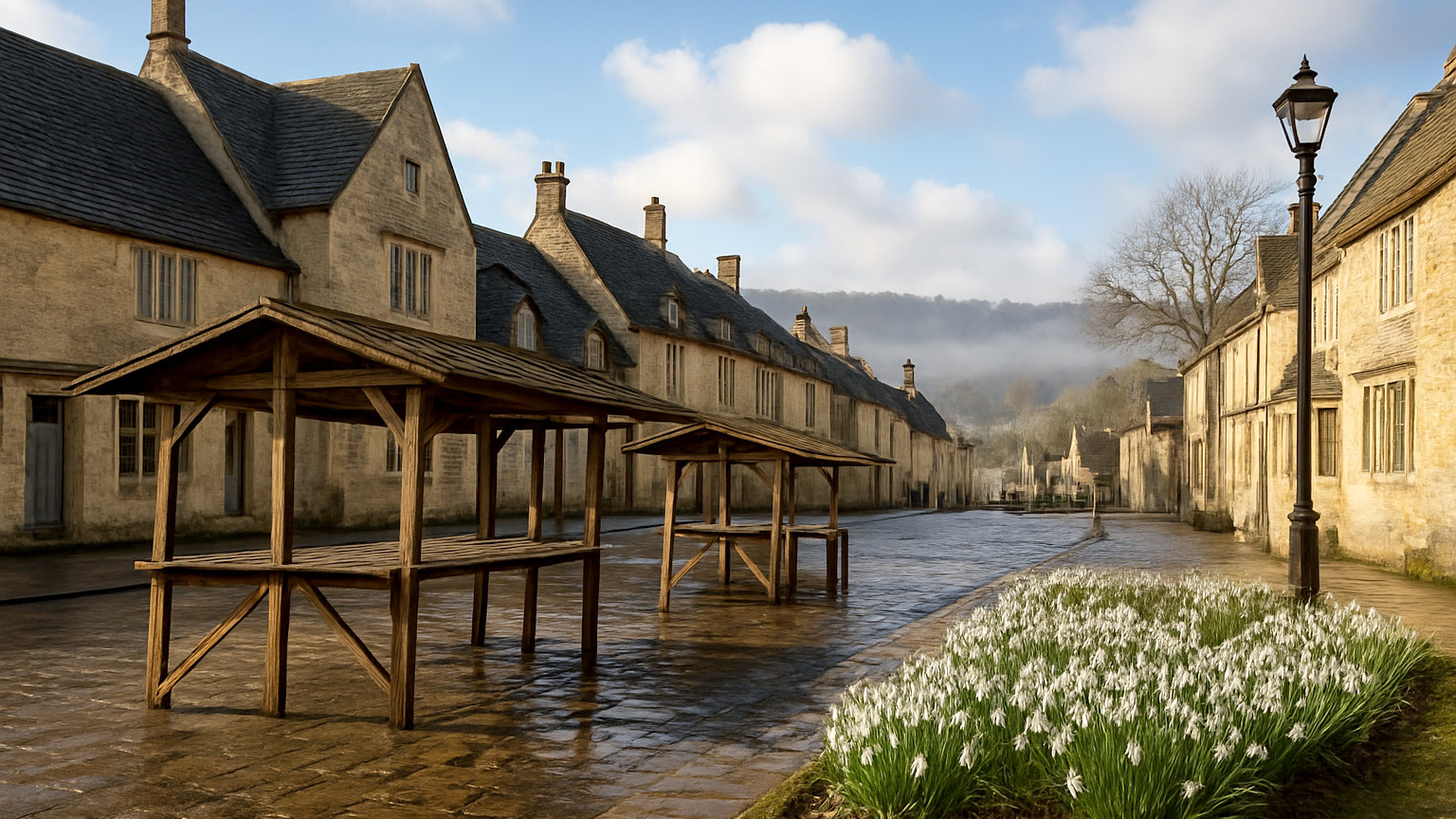
February is the point at which the British year restarts. Snowdrops appear in enormous numbers, a small number of gardens open specifically for them, and the season carries a devoted following that includes collectors who pay serious money for individual bulbs.
When do they flower?
Late January to early March, with the peak in most of the country in the second half of February. Milder winters bring them earlier and cold ones delay them by a fortnight.
Gardens publish updates through the season, which is the reliable way to time a visit since the window is short.
Which gardens are best known?
Several open specifically for snowdrops and are famous for them, including gardens in Gloucestershire, Cambridgeshire, Berkshire and Fife holding enormous naturalised drifts.
A number of these open only for a few weeks a year and are otherwise closed, which concentrates visitors and makes booking sensible.
Where else can you see them?
Churchyards, old estates and woodland across the country, frequently in vast numbers and entirely free. Many were planted centuries ago and have naturalised widely.
Riverbanks and damp woodland hold the largest wild colonies, and a local walk in February will often turn up more than a ticketed garden.
What is galanthophilia?
The serious collecting of snowdrop varieties, of which there are several thousand named cultivars distinguished by markings that are frequently invisible to a casual observer.
Rare bulbs change hands for substantial sums, and specialist sales and lectures accompany the season. It is one of the more eccentric corners of British gardening.
What else is out in February?
Winter aconites, which flower alongside snowdrops in yellow drifts. Hellebores, witch hazel and early crocuses. Catkins on hazel.
Frogs spawn from February in the south, and birds begin singing in earnest as territories are established.
When do the daffodils start?
February in Cornwall and the Isles of Scilly, which are weeks ahead of everywhere else, and March across most of the country.
Wild daffodils, smaller and paler than garden varieties, grow in a few areas including parts of Gloucestershire and Herefordshire, where they draw visitors in late March.
Why travel in February at all?
Because it is the cheapest and quietest month, and because a snowdrop garden gives a specific reason to be somewhere at a time when nothing else is happening.
Bare trees also open up views that summer foliage hides, which makes February good for landscape and for ruins.
What should you expect?
Cold, mud and short days. Gardens in February are wet underfoot and the display is at ground level, so boots and something warm matter more than usual.
Opening hours are limited, cafes may be closed and the visit will be shorter than a summer one.
How do you time it?
Watch the garden's own updates rather than booking blind, since the peak moves by two or three weeks between years and a fortnight either side makes the difference.
Weekdays are considerably quieter than weekends at the well known gardens, which fill in a short season.
What is the best February trip?
Two nights somewhere with a snowdrop garden, a good pub and a walk, in a county you would not otherwise visit in winter.
It costs very little, the accommodation is cheap and empty, and it marks the end of the dead part of the year.
What else is worth doing in February?
Wildlife, which is at a peak that few people notice. Wintering wildfowl are still present in large numbers on the estuaries, starling murmurations continue into the month, and the first birdsong of the year builds through it. Combining a snowdrop garden with an estuary reserve makes a full day out of a month usually written off entirely.
One last practicality: many snowdrop gardens open for only three or four weeks and sell timed tickets, so check the specific dates rather than assuming a February weekend will work.
Finally, take a hand lens if you have one. The markings that distinguish snowdrop varieties are small, and the difference between a pleasant carpet of white and a genuinely interesting collection only becomes visible close up.