Heat is an increasingly regular feature of British summers and the country is poorly equipped for it. Buildings are designed to retain warmth, almost nothing has air conditioning and the transport network struggles, which makes where you spend a hot week genuinely important.
Why does Britain cope so badly?
Because the housing stock is built for cold and damp, with small windows, heavy insulation and no cooling. Homes and hotels retain heat overnight and do not cool down.
Public transport is largely unairconditioned on older stock, and rail networks impose speed restrictions when rails risk buckling.
Where is coolest?
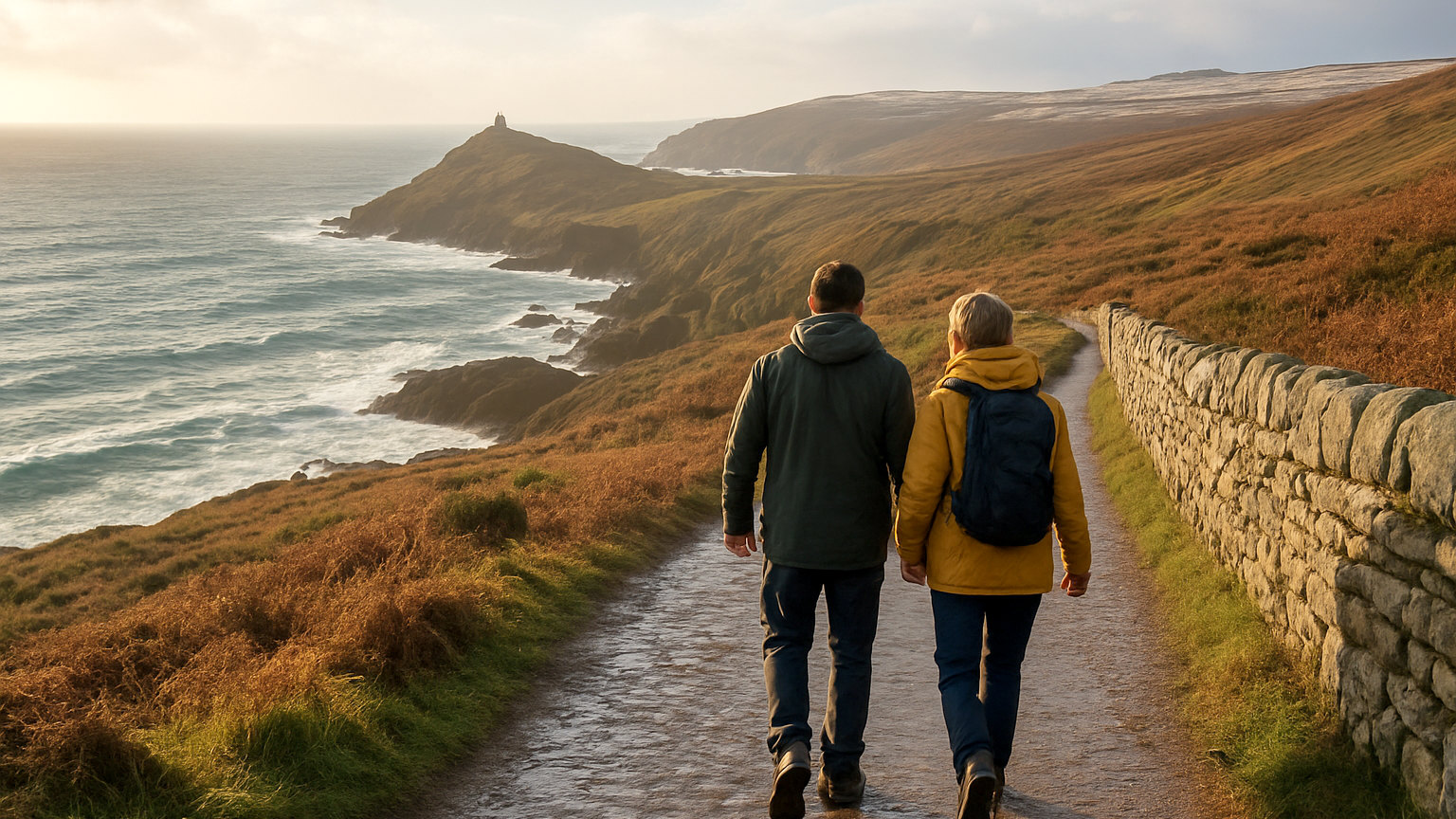
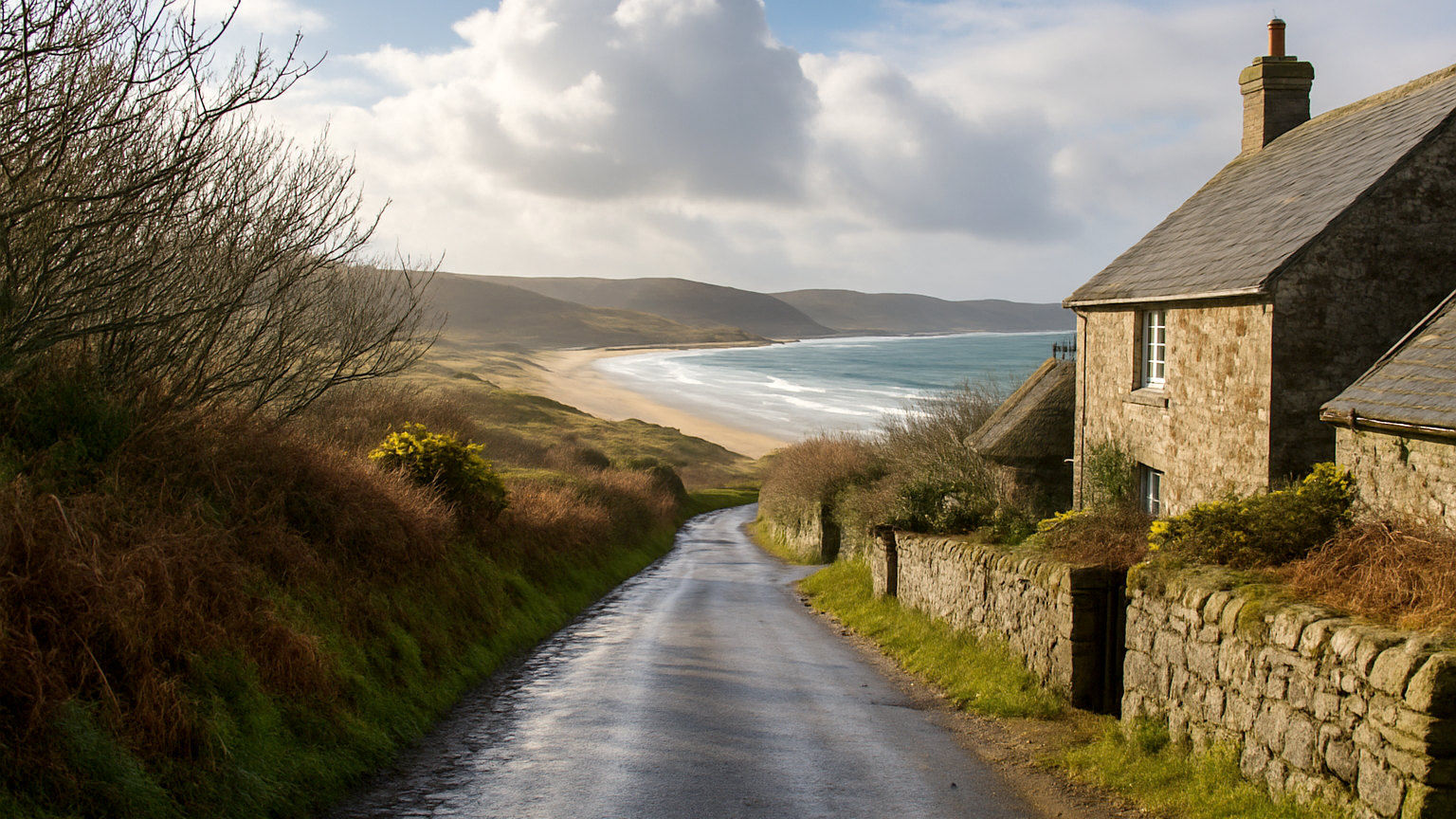
The coast, where a sea breeze can make several degrees of difference, and the north and Scotland, which are consistently cooler than the south east.
Upland areas, since temperature falls with altitude, so a hill day is more comfortable than a valley one provided you manage the sun exposure.
What is reliably cool indoors?
Caves and mines, which maintain a constant temperature year round regardless of the weather above, typically around eight to ten degrees. Show caves operate in several regions.
Cathedrals and large stone buildings, which stay cool through thick walls. Modern museums with climate control.
What about woodland?
Substantially cooler than open ground, with the canopy providing shade and the ground holding moisture. A woodland walk in a heatwave is far more pleasant than a hill or a beach at midday.
Wooded river valleys are the best of all, combining shade with water.
Where can you swim?
Lidos, several of them restored and outdoor, which are the traditional British answer and are pleasant rather than crowded in most places.
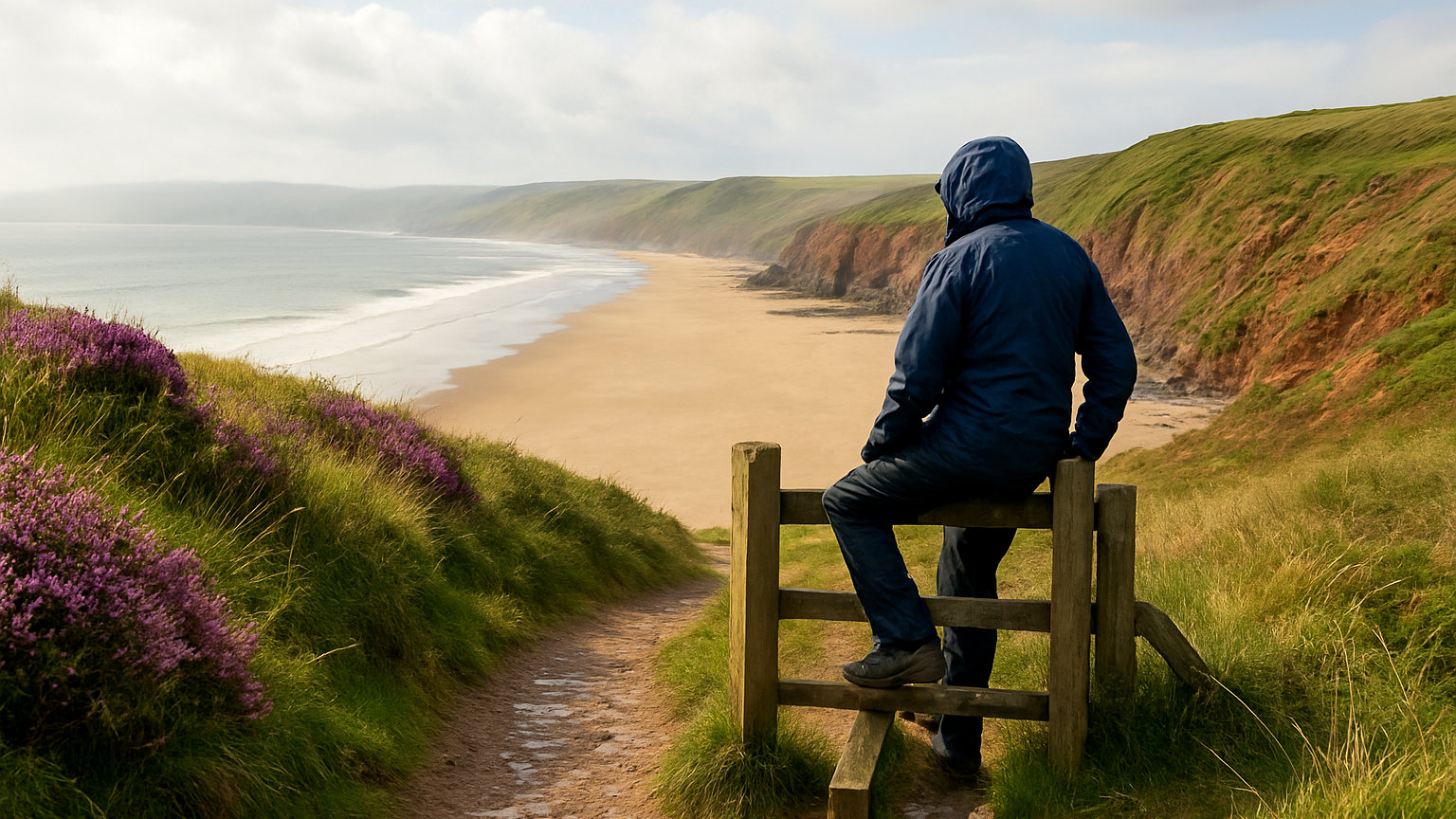
The sea, which even in a heatwave remains cold, and inland water, which requires considerably more caution.
What is the water safety risk?
Serious and it rises sharply in hot weather. Drownings increase during heatwaves because people enter cold water while overheated, and the shock is more dangerous, not less, when the air is warm.
Inland water in particular is far colder than it looks, may hide currents and debris, and has no lifeguards. Enter slowly, never jump in, never swim alone and never after drinking.
What should you avoid?
Cities, which are the most uncomfortable places in Britain during heat, with the underground network in London particularly unpleasant.
The middle of the day outdoors, exposed moorland with no shade, and long drives in cars without air conditioning.
What about wildfire risk?
Real and increasing. Moorland, heath and forest become tinder dry, and fires are frequently started by disposable barbecues, glass or discarded cigarettes.
Several areas prohibit fires and barbecues entirely at all times. Observe the restrictions absolutely, since upland fires burn peat and cause damage that takes decades to recover.
How should you adjust the day?
Start early and stop by late morning, then do something indoors or shaded until late afternoon, which is how hot countries have always arranged things.
Carry more water than usual, wear a hat, and remember that sunburn happens readily in Britain even on breezy days.
What is the best heatwave plan?
The Scottish or Northumberland coast, a wooded valley, or a cave and a lido. All are cooler than a city and all are pleasant rather than merely tolerable.
Heatwaves in Britain are usually short, so waiting a few days is also a reasonable strategy.
How long do they last?
Usually a few days rather than weeks, since British heat depends on a specific air flow that breaks down. Waiting it out is therefore a reasonable strategy, and a fixed booking coinciding with a hot spell is rarely a whole holiday lost. Health alerts are issued during significant heat and are aimed at those most affected, which is worth noting if travelling with anyone elderly or unwell.
Finally, check on people. Heat affects older people, young children and anyone with existing health conditions disproportionately, and a hot spell in a country with no air conditioning is a health matter rather than only an inconvenience.