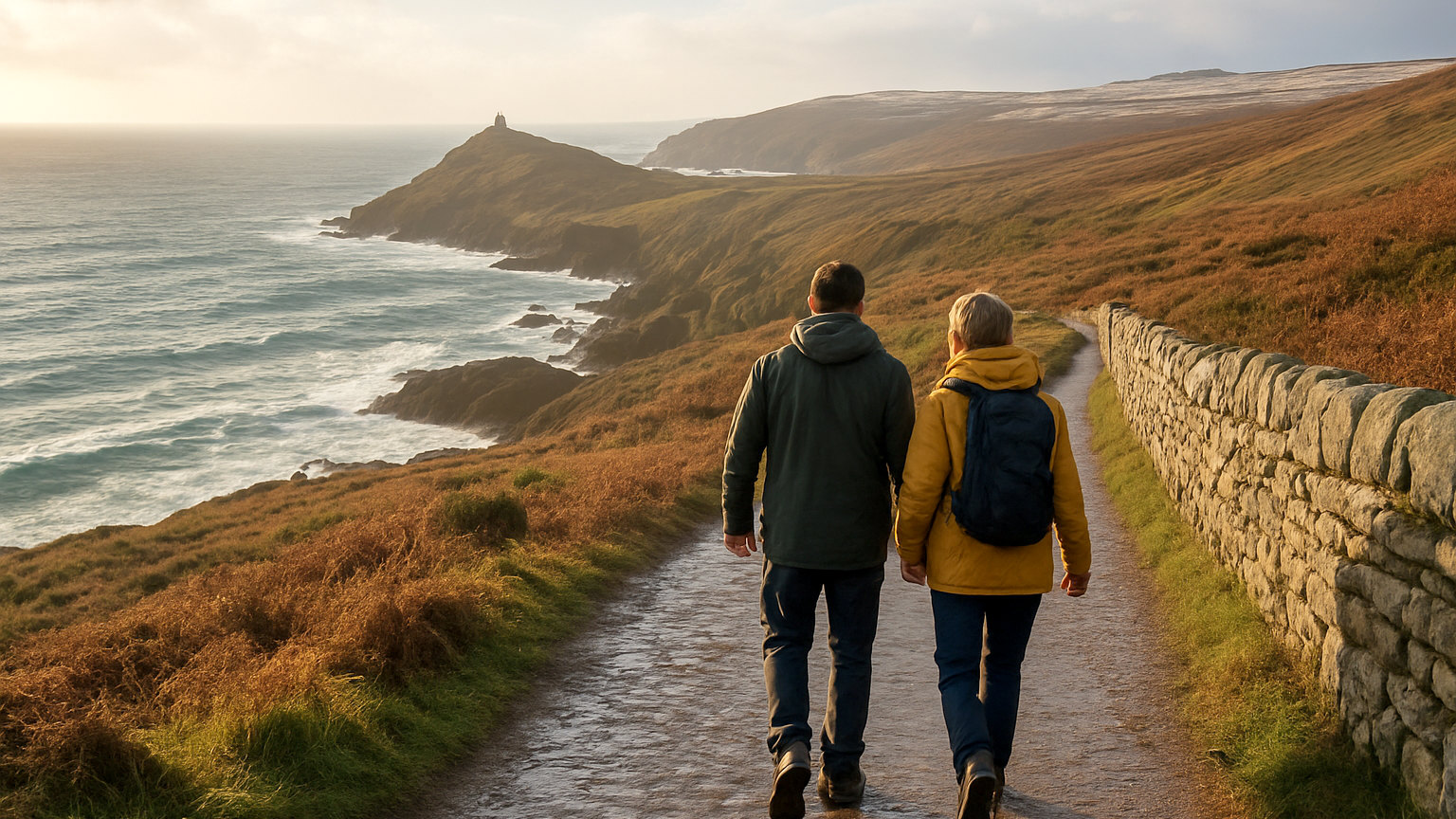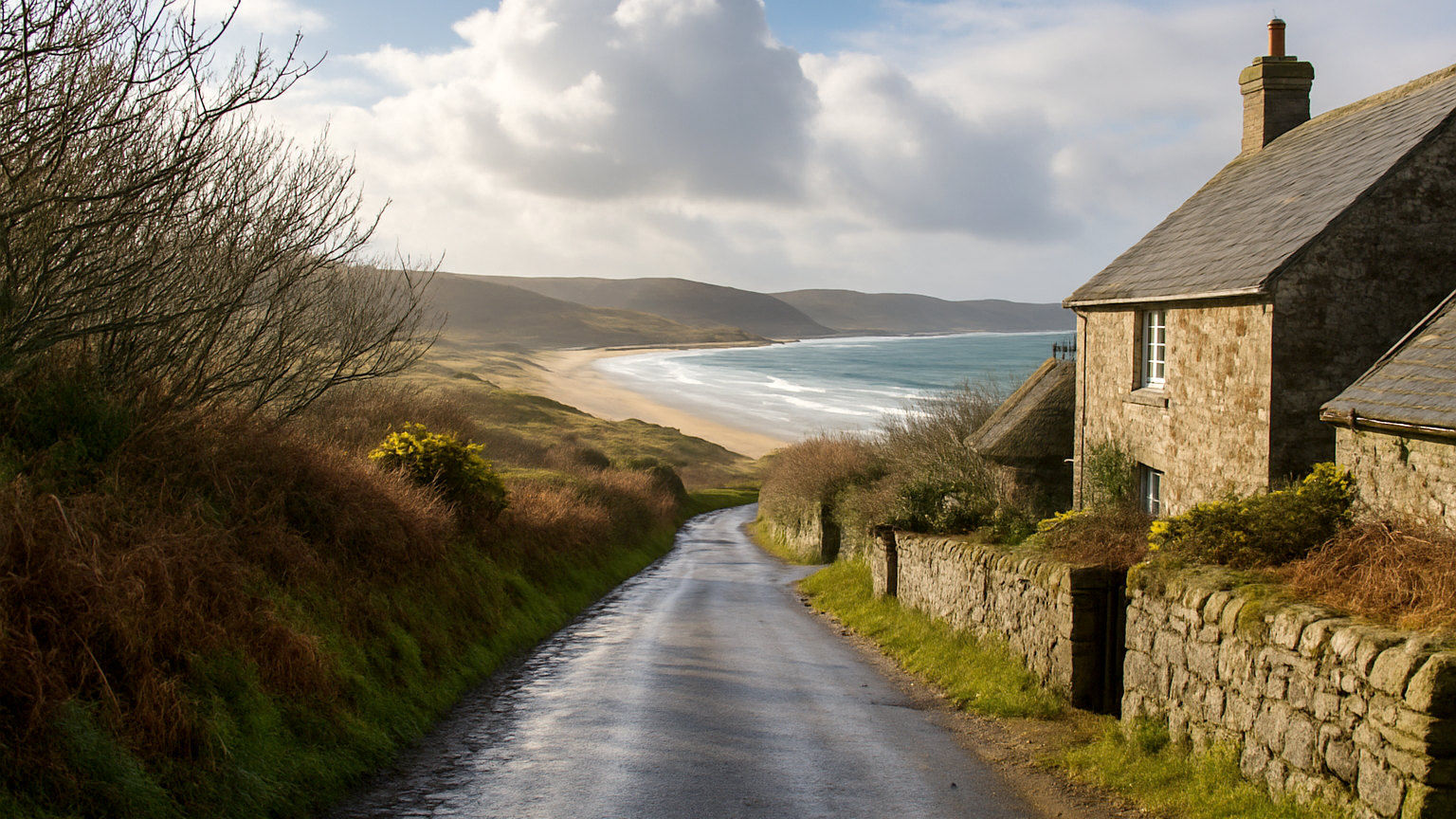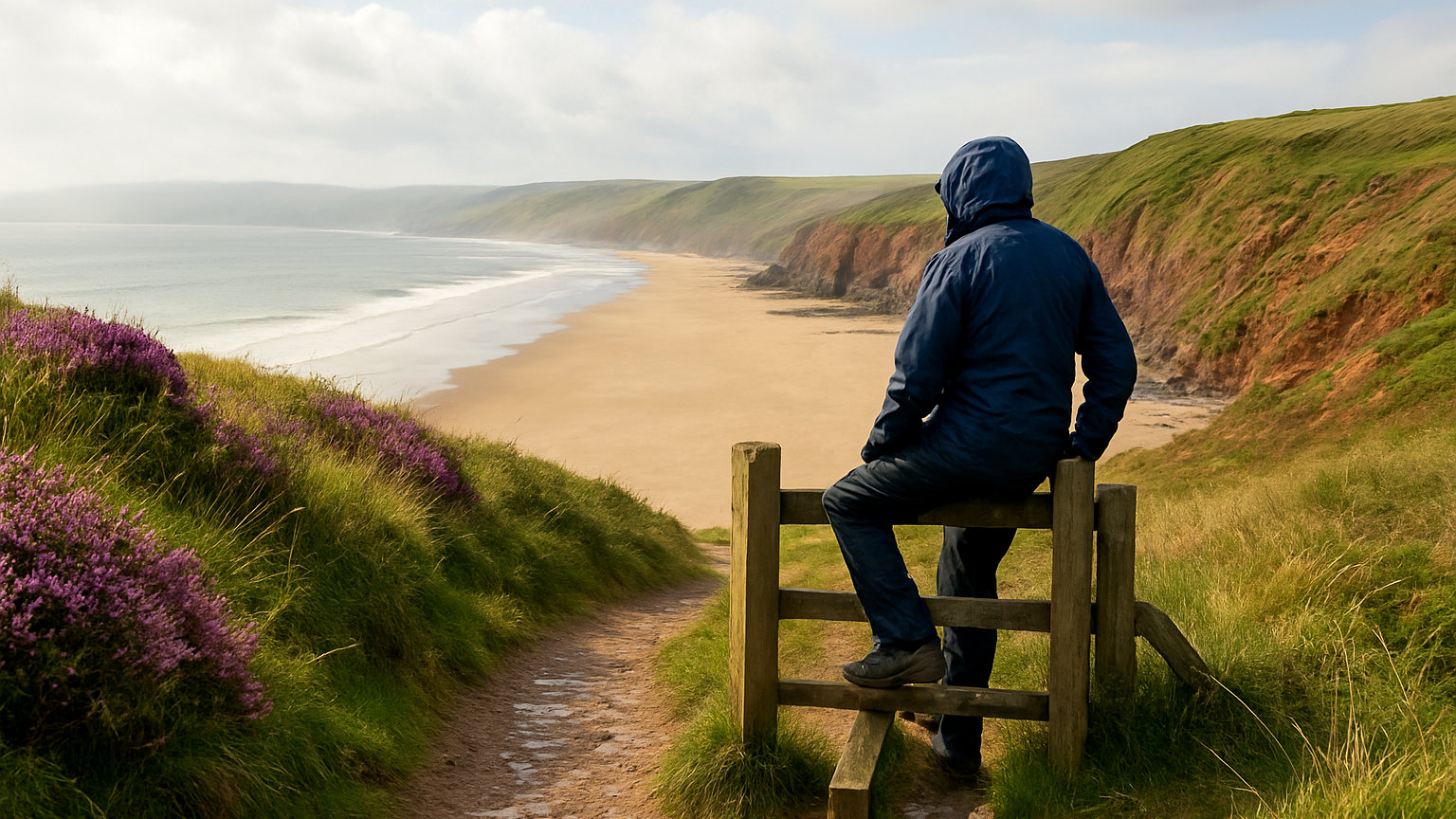
An island weekend has a particular appeal, because crossing water marks a break more decisively than any distance by road. The constraint is the crossing itself, which on the more remote islands consumes more of a short trip than the trip can spare.
Which islands are easiest?
Those reached by bridge or causeway, since there is no timetable to work around. Anglesey, Skye and Holy Island in Northumberland, though the last is tidal and access is governed by the sea.
Then the short ferry crossings: the Isle of Wight at under an hour, Arran at under an hour from Ardrossan, and Bute at a few minutes from Wemyss Bay.
What can you do on the Isle of Wight?
A great deal in three nights. Chalk cliffs, a coastal path around the whole island, a Roman villa, two royal houses and a steam railway.
It is reachable from London in a few hours including the crossing, which makes it one of the most practical island weekends in England.
Which Scottish islands suit a weekend?
Arran, frequently described as Scotland in miniature, with mountains in the north and gentler country in the south, reachable from Glasgow in around two and a half hours including the ferry.
Bute, Great Cumbrae and Gigha for shorter crossings, and Mull if you have three nights and start early.
What about the Isle of Man?
A separate jurisdiction with its own parliament, currency and laws, reached by ferry from Heysham and Liverpool or by short flights from several airports.
It has steam and electric railways, a coastal path, hills and a distinct culture, and it is largely overlooked as a weekend destination.
Which islands need longer?
The Outer Hebrides, Orkney and Shetland, all of which involve a long journey to the ferry port and a crossing of several hours or a flight.
Three nights is possible for Orkney with flights and is tight. The Outer Hebrides and Shetland deserve a week.
How do the ferries work?
Scheduled services with limited sailings, reduced in winter, requiring booking for vehicles well ahead in summer. Foot passengers have more flexibility.
Timetables are built around residents rather than visitors, which means the useful sailings are early and late and the middle of the day may have nothing.
What happens in bad weather?
Cancellations, which on a weekend can consume the entire trip. Autumn and winter crossings are cancelled regularly and being stranded a day is normal rather than exceptional.
Never plan a tight connection after an island weekend, and avoid booking anything unmissable for the Monday morning.
Do you need a car?
On the larger islands, helpful. On the smaller ones, unnecessary and expensive, since vehicle fares are several times the foot passenger rate.
Cycling suits several islands well, and bikes travel free or cheaply on most ferries.
What should you book ahead?
Accommodation, which is limited and fills quickly, and vehicle space on the ferry. On smaller islands there may be two places to stay in total.
Also check what is open, since island cafes, shops and pubs frequently operate seasonally and close entirely in winter.
Which should you choose?
The Isle of Wight from the south, Anglesey from the north west, Arran or Bute from Glasgow, and the Isle of Man for something genuinely different.
All are reachable in a morning, all have enough to fill three days, and all deliver the particular feeling of having gone somewhere separate.
What is it actually like?
Quieter than the mainland in a way that is noticeable within an hour of arriving. Traffic thins, the horizon is water in every direction and the night sky is undimmed. Services are limited, everyone knows everyone, and the pace is set by the ferry. That combination is the whole appeal and it does not survive being rushed, which is why three nights works and one does not.
One final practicality: take more cash than you would on the mainland, since island shops and cafes may have limited card facilities and the nearest bank machine could be a ferry ride away.