Penzance sits at the end of the railway line in the far west of Cornwall, a working town rather than a resort, with a harbour, a subtropical climate and the Penwith peninsula behind it holding one of the densest concentrations of prehistoric monuments in Britain.
What is the Jubilee Pool?
A triangular art deco seawater lido opened in 1935, restored after storm damage, with a geothermally heated section added in 2020 drawing warm water from deep underground.
The main pool is unheated seawater and is bracing; the geothermal section runs at around thirty five degrees year round. It is the best thing in the town.
What is St Michael's Mount?
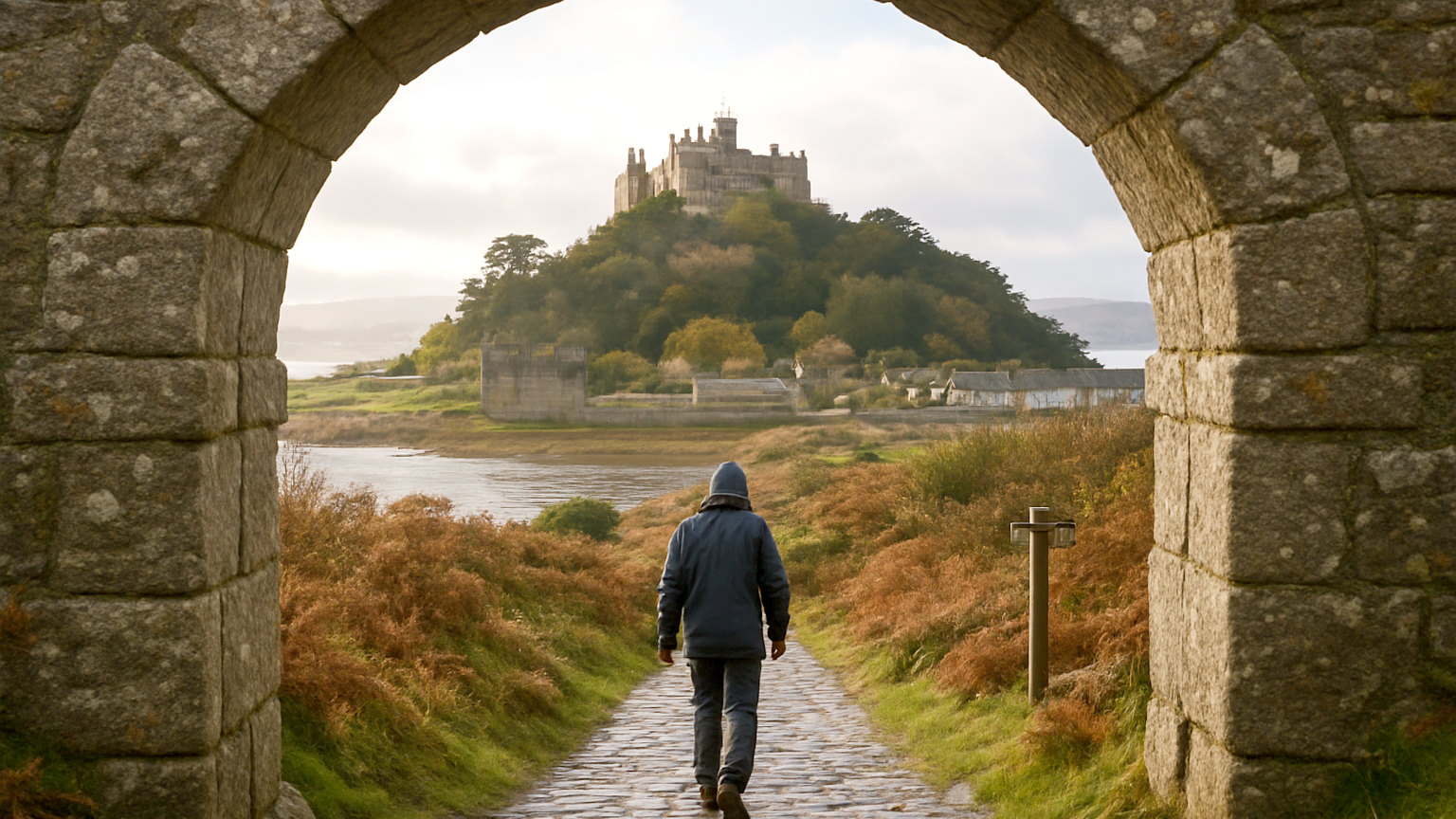
A tidal island off Marazion three miles east, with a castle and chapel on the summit and a village at the foot, reached by a granite causeway at low water or by boat at high.
Check the crossing times before setting out, since the causeway floods and people are caught out. The climb to the castle is steep and cobbled.
What is at Newlyn?
A working fishing port adjoining the town, among the most important in England by value of catch, with a market and boats landing daily.
It also gave its name to a colony of painters who worked here from the 1880s, and the gallery in Penzance holds a substantial collection of their work.
What is Mousehole?
A small harbour village a couple of miles further, with granite cottages tight around a nearly enclosed harbour, extremely pretty and correspondingly busy in summer.
Its Christmas lights over the harbour are a local institution, and the village is quietest early in the day.
What are the Penwith moors?
High granite moorland behind the coast holding stone circles, standing stones, chambered tombs and Iron Age settlements in extraordinary density.
Chysauster is an excavated village of stone courtyard houses, and several monuments are reached across fields with no signage at all.
What is the Minack Theatre?
An open air theatre cut into the cliff at Porthcurno, built largely by one woman from the 1930s onwards, with the sea as a backdrop to the stage.
Performances run from spring to autumn and the site is open to visit during the day. Take warm clothing for evening shows regardless of the forecast.
What else is at Porthcurno?
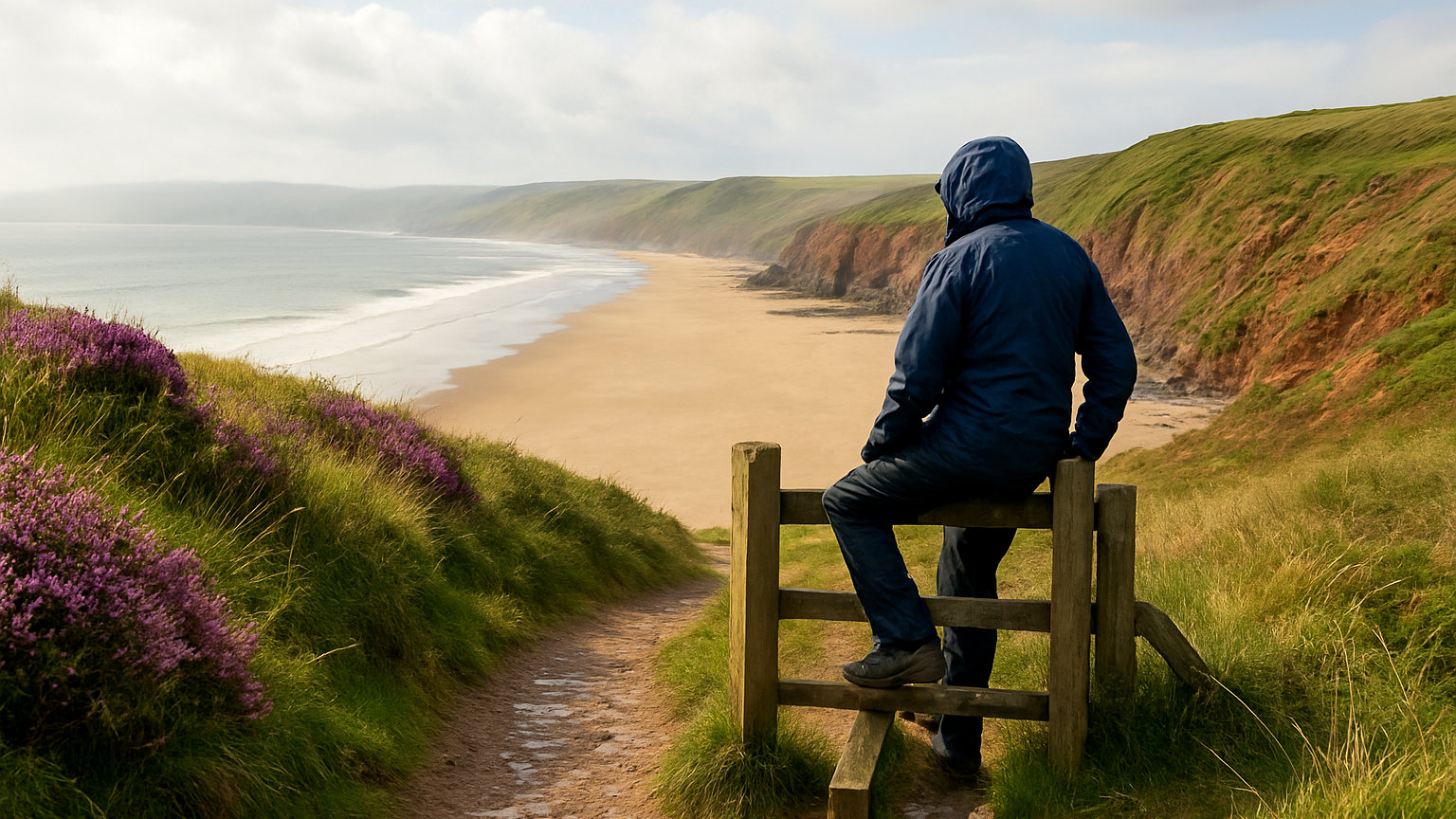
A white sand beach with turquoise water that looks improbable for Britain, and a museum covering the undersea telegraph cables that came ashore here and connected Britain to the empire.
The museum is far more interesting than it sounds and includes wartime tunnels.
What is the town itself like?
A promenade, a harbour, Chapel Street with a remarkable Egyptian style facade, and subtropical gardens holding plants that survive because frost is so rare.
It is a working town with real shops rather than a resort, and it has a strong arts and music scene.
What is Golowan?
A midsummer festival held in June, with a main day of processions, music and a large community parade through the streets, revived from older midsummer customs.
It is among the best community festivals in Cornwall and fills the town.
How do you get there?
By train from London Paddington in around five hours, or overnight on the sleeper, with the station beside the harbour and the bus station.
The ferry to the Isles of Scilly sails from the harbour, which makes Penzance the natural stopover before or after.
Does it work as a weekend?
Very well, and better as three nights given how far it is. The town, the Mount, the moors and the Porthcurno coast are a full programme.
It is cheaper than the north coast resorts and open year round, which is unusual in west Cornwall.
What about the promenade and the gardens?
A long seafront promenade runs from the harbour towards Newlyn, with views across Mount's Bay to St Michael's Mount, and it is the best short walk in the town. Morrab Gardens inland hold subtropical planting that survives because frost is so rare here, with palms and aloes growing outdoors year round.