Food is the most controllable part of a travel budget, because the range between the cheapest and most expensive way of eating the same day is enormous and entirely within your control. It is also where small daily decisions accumulate fastest.
What are the options in order of cost?
Cooking from a supermarket shop is cheapest by a wide margin. Then supermarket lunches eaten outdoors, then cafes and pub lunches, then restaurant dinners, with hotel dining generally the most expensive.
The gap between the extremes over a week for a family is large enough to fund the accommodation upgrade that would have made the week better.
How much does self catering save?
A great deal for a group and less for a couple. Feeding four from a supermarket for a week costs a fraction of eating out twice daily, and the saving scales directly with the number of people.
For two people on a short break, the difference is smaller and the effort may not be worth it, particularly if eating well is part of the point of the trip.
What is the cheapest way to eat well?
Lunch as the main meal. Set lunch menus at good restaurants are frequently a fraction of the price of the same kitchen in the evening, for very similar food.
Covered markets are the other answer, offering a range of prepared food at low prices in most large cities, with the added advantage that a group can eat different things.
What should you know about pubs?
Pub food ranges from cheap and basic to restaurant standard and priced accordingly. A pub lunch is generally better value than a pub dinner, and many run cheaper weekday menus.
Sunday lunch is the exception, being both the busiest service and frequently the best value substantial meal available anywhere.
Is tap water free?
Yes, and licensed premises are required to provide free drinking water on request. Ordering tap water rather than bottled in a restaurant is entirely normal and nobody will comment.
Refill schemes operate widely, with shops and cafes displaying stickers offering free bottle refills, and public fountains have been reinstated in several cities.
What costs more than expected?
Drinks, particularly alcohol, which in a restaurant can exceed the food bill. Coffee bought two or three times a day. Motorway service food, which is priced well above anything a few miles off the route.
Breakfast at a hotel where it is charged separately, which is frequently poor value against a cafe nearby.
What about breakfast?
Included at most bed and breakfasts and inns and usually substantial enough to remove the need for lunch, which is a genuine saving.
Where it is charged separately at a hotel, a cafe or bakery nearby is almost always better and cheaper.
How do you eat cheaply while out for the day?
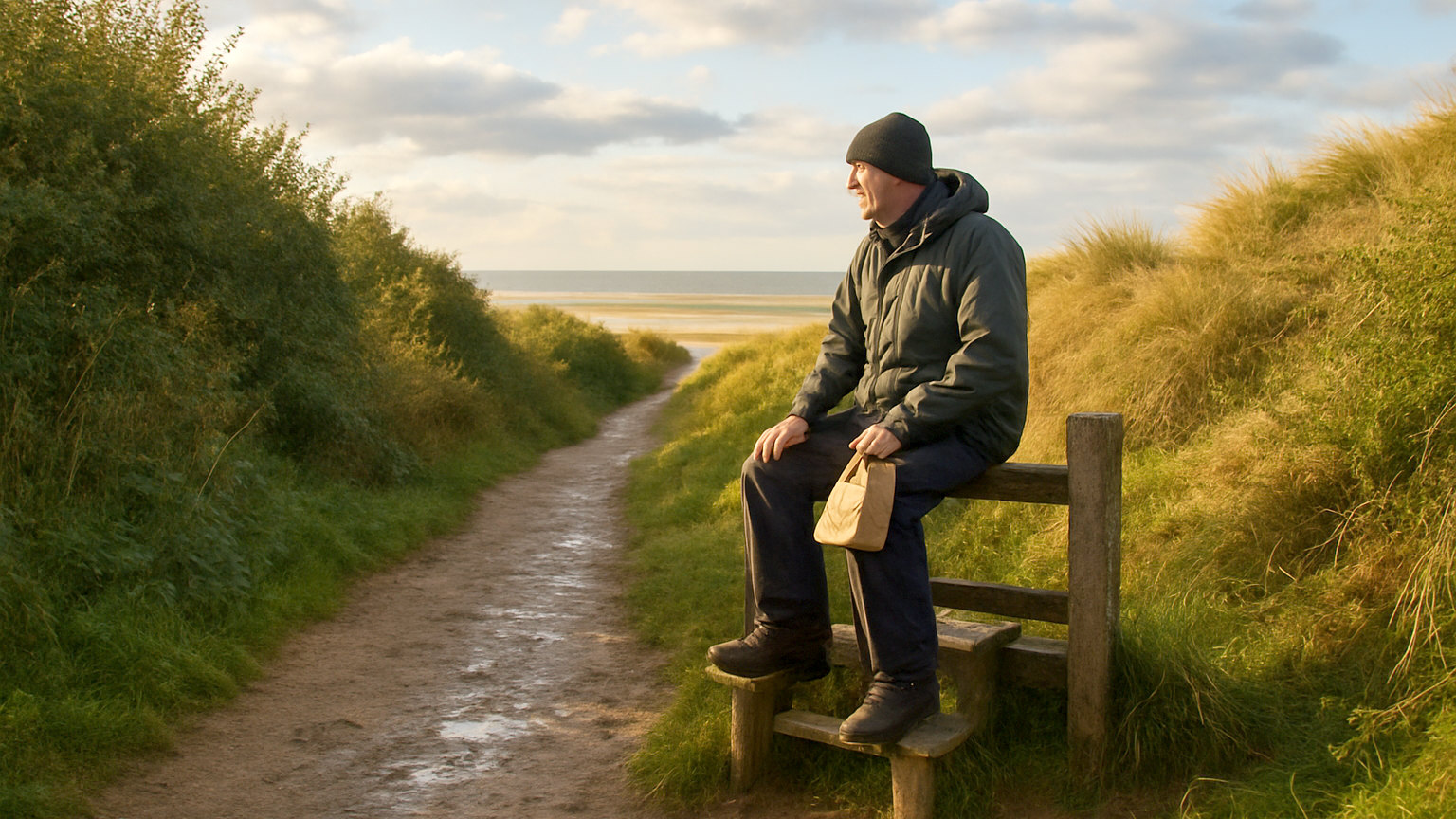
Take a picnic, which in a country with this many good places to sit is no hardship. Supermarket lunch deals are inexpensive and widely available.
Many bed and breakfasts and inns will make a packed lunch if asked the night before, which is convenient on a walking day and modestly priced.
What is worth spending on?
One or two proper meals rather than a week of mediocre ones. British food has improved enormously and eating somewhere genuinely good once is a better use of the same money than eating out indifferently six times.
Regional specialities at source, which are frequently cheap and among the more memorable things about a trip.
How should you budget it?
Decide roughly how many meals will be cooked, bought cheaply and eaten out properly, and price those three categories separately rather than using a single daily figure.
A common workable pattern is breakfast in, lunch bought cheaply, dinner cooked most nights with two meals out across a week.
What about dietary requirements?
Well catered for by international standards. Vegetarian options are standard everywhere, vegan options widespread, and allergen information is legally required to be available. Gluten free is widely understood. Supermarkets carry extensive free from ranges. None of this costs more than the equivalent, which is not true in every country, and it removes a common source of unplanned expense.