British trains impose no weight limit on luggage and no charge, which is a genuine advantage over flying. What they do have is limited space, and on a busy service the practical constraint is where your bag will go rather than whether you are allowed it.
What are the luggage rules?
Conditions permit up to three items per passenger within stated dimensions, plus small hand items, though this is rarely enforced against ordinary travellers. Anything you cannot carry yourself is likely to be a problem.
There is no weight limit and no fee, unlike air travel, which makes rail the easier option for anyone carrying a lot.
Where does luggage go?
Overhead racks for small cases, and larger racks at carriage ends and between seat backs for bigger items. Long distance trains generally have more space than commuter services.
Racks fill quickly on busy services. Boarding at the originating station rather than an intermediate one gives you a better chance of space near your seat.
What about very large items?
Surfboards, skis, golf clubs and pushchairs are generally accepted but may require you to find space in a vestibule. Some operators have specific policies for sports equipment.
Pushchairs must usually be folded on busy services, though most operators are pragmatic about this in practice.
How do bikes travel?
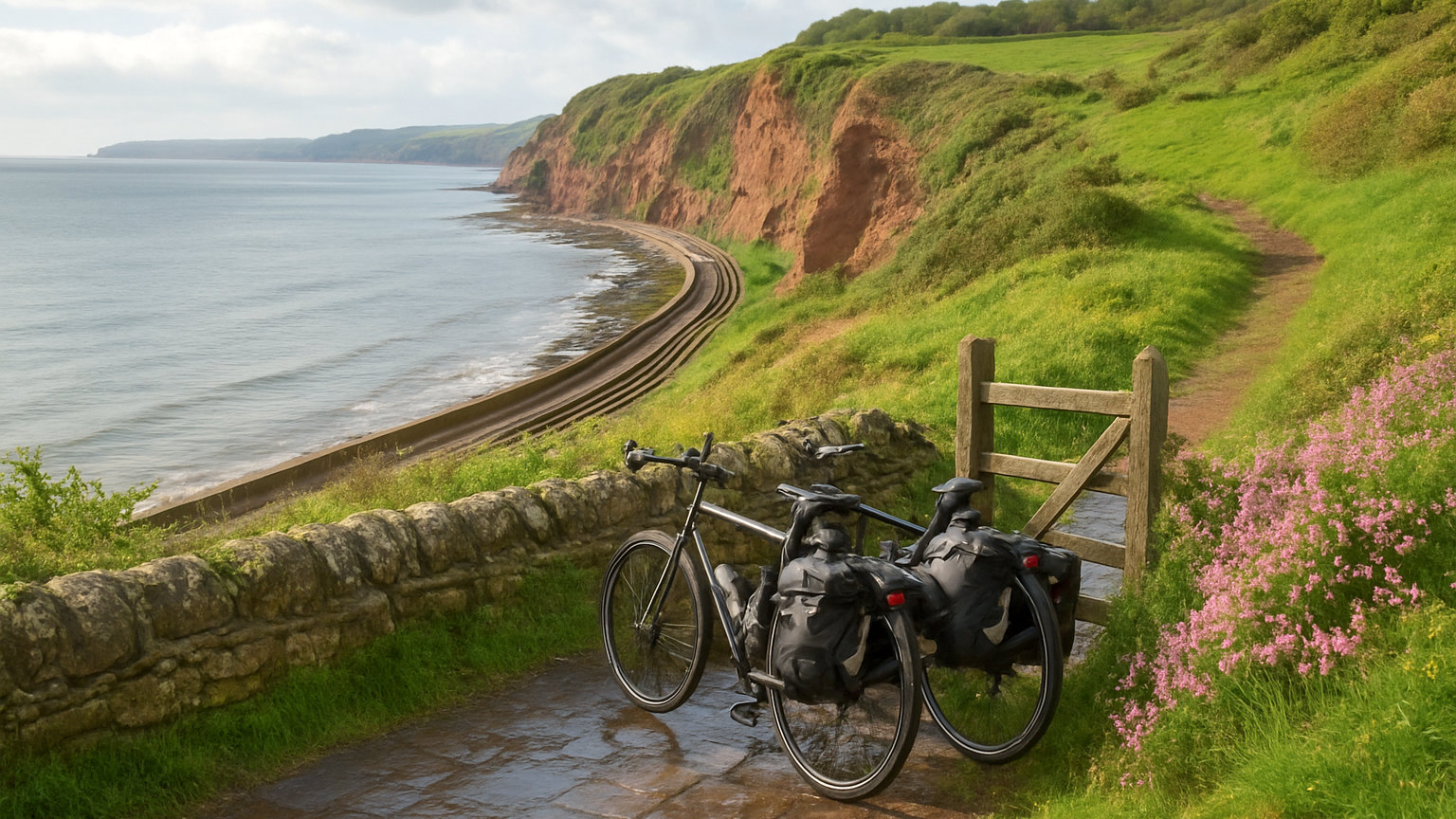
Free, but with limited spaces and, on most long distance services, a compulsory reservation. Spaces are typically two to six per train, and they book out on popular routes.
Reservations are free but must be made in advance, usually by telephone or when booking a ticket. Turning up with a bike without one on a long distance train frequently means being refused boarding.
What about local services?
Most local and regional trains carry bikes without reservation, subject to space and often with peak time restrictions on commuter routes.
Policies differ by operator and are set out on their websites. On a journey involving two operators, both sets of rules apply.
Are folding bikes different?
Considerably. A folded bike counts as luggage rather than a bicycle, can be carried on any train at any time without reservation, and is not subject to peak restrictions.
For anyone combining cycling with rail travel regularly in Britain, a folding bike removes almost every constraint the system imposes.
Where can you leave luggage?
Left luggage offices operate at major stations, charged per item per day. Independent storage services operate in cities, often in shops and hotels, and are usually cheaper.
Hotels will almost always store bags before check in and after check out at no charge, which turns arrival and departure days into usable ones.
What about luggage transfer on walking trips?
Companies move bags between accommodation on the main long distance paths, which is standard practice on a walking holiday and removes the need to carry anything beyond a daypack.
Book it alongside the accommodation, since operators need the full itinerary and capacity is finite in peak season.
Can you send luggage separately?
Courier services will collect and deliver cases between addresses, which suits anyone travelling with a great deal or moving between several places.
It costs more than carrying it and considerably less than the difficulty of managing four cases through three stations.
What is the practical advice?
Take less, since the constraint is what you can lift onto a rack and up a station staircase rather than any rule. Choose a bag you can carry rather than only wheel.
If cycling, either reserve early or use a folding bike, which are the only two approaches that work reliably on British long distance services.
What about airports and ferries?
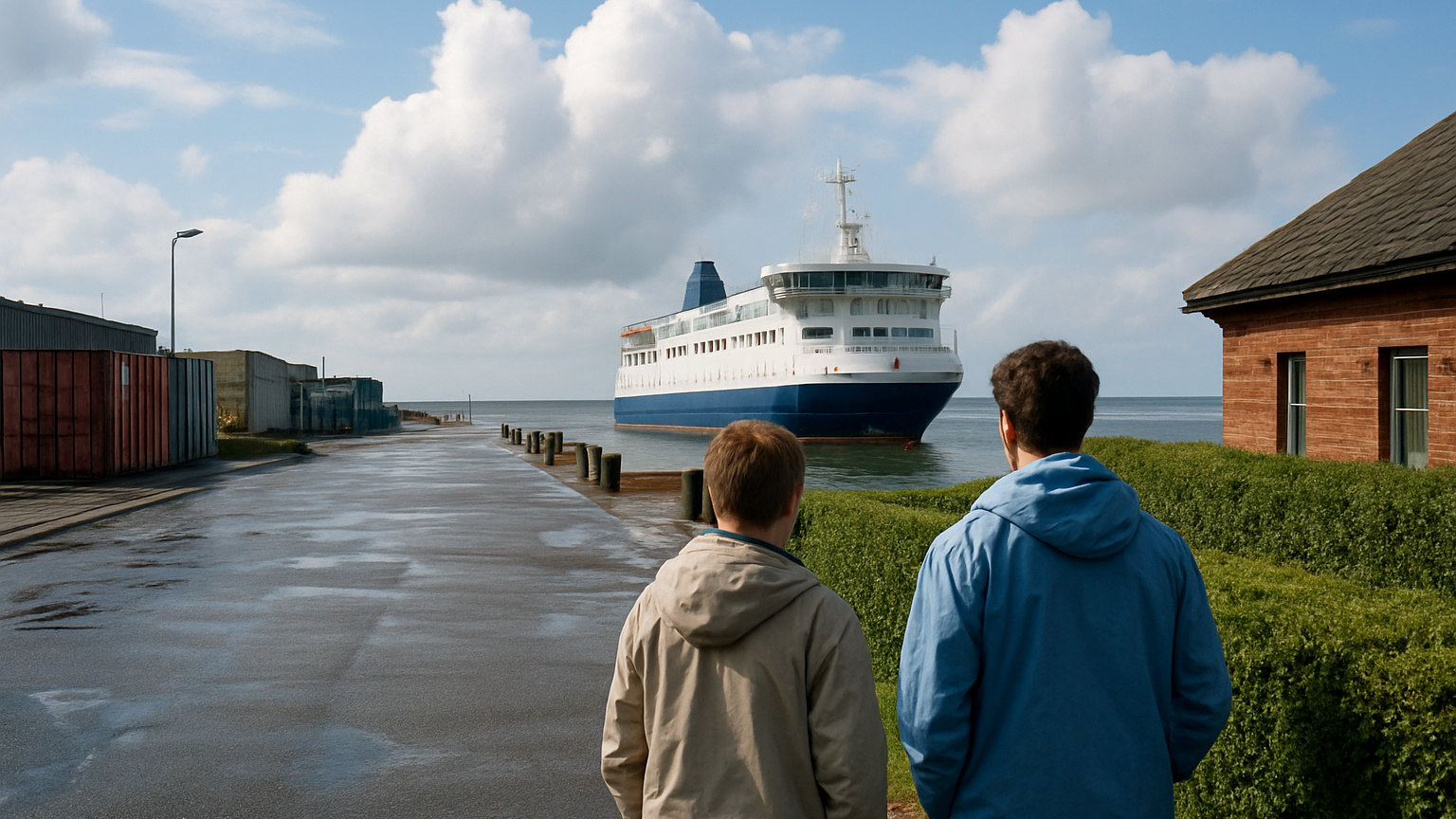
Rail connections to airports carry luggage well and several have dedicated space, though the Underground with large cases at peak times is difficult and best avoided. Ferry terminals generally have trolleys and, on longer crossings, you can leave luggage in a cabin. Foot passengers on ferries carry their own bags aboard, which on a long walk up a gangway is worth bearing in mind.