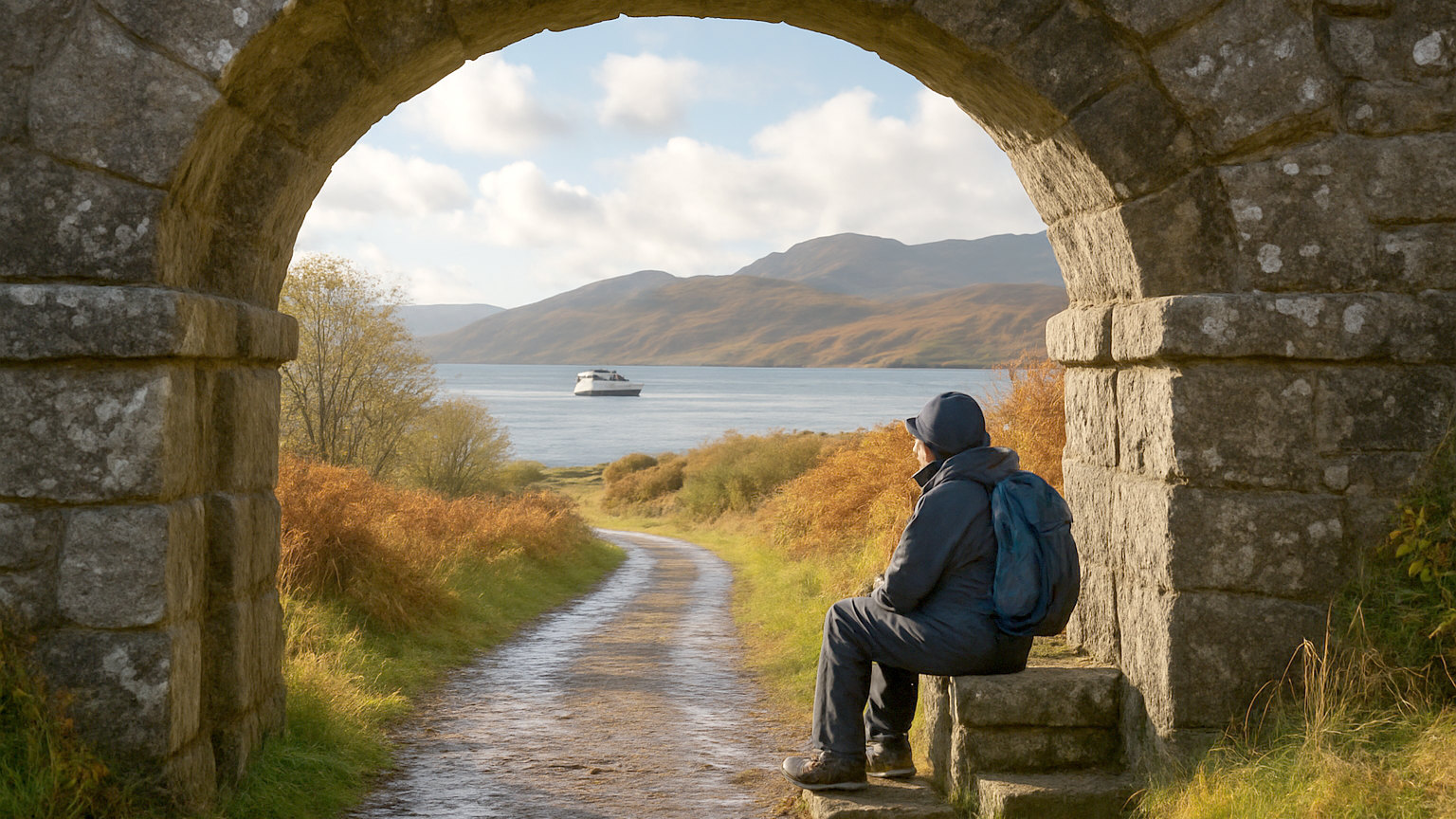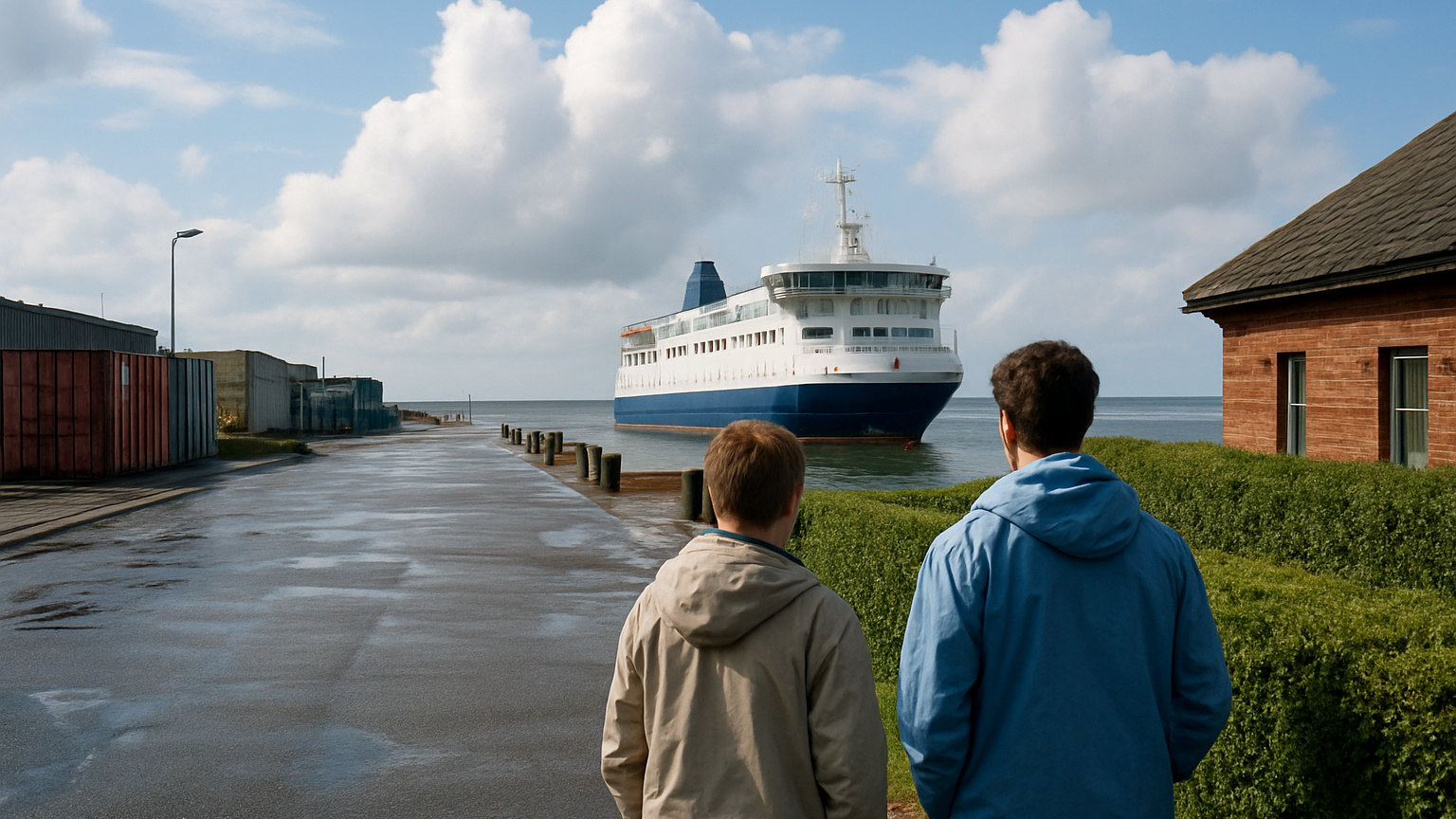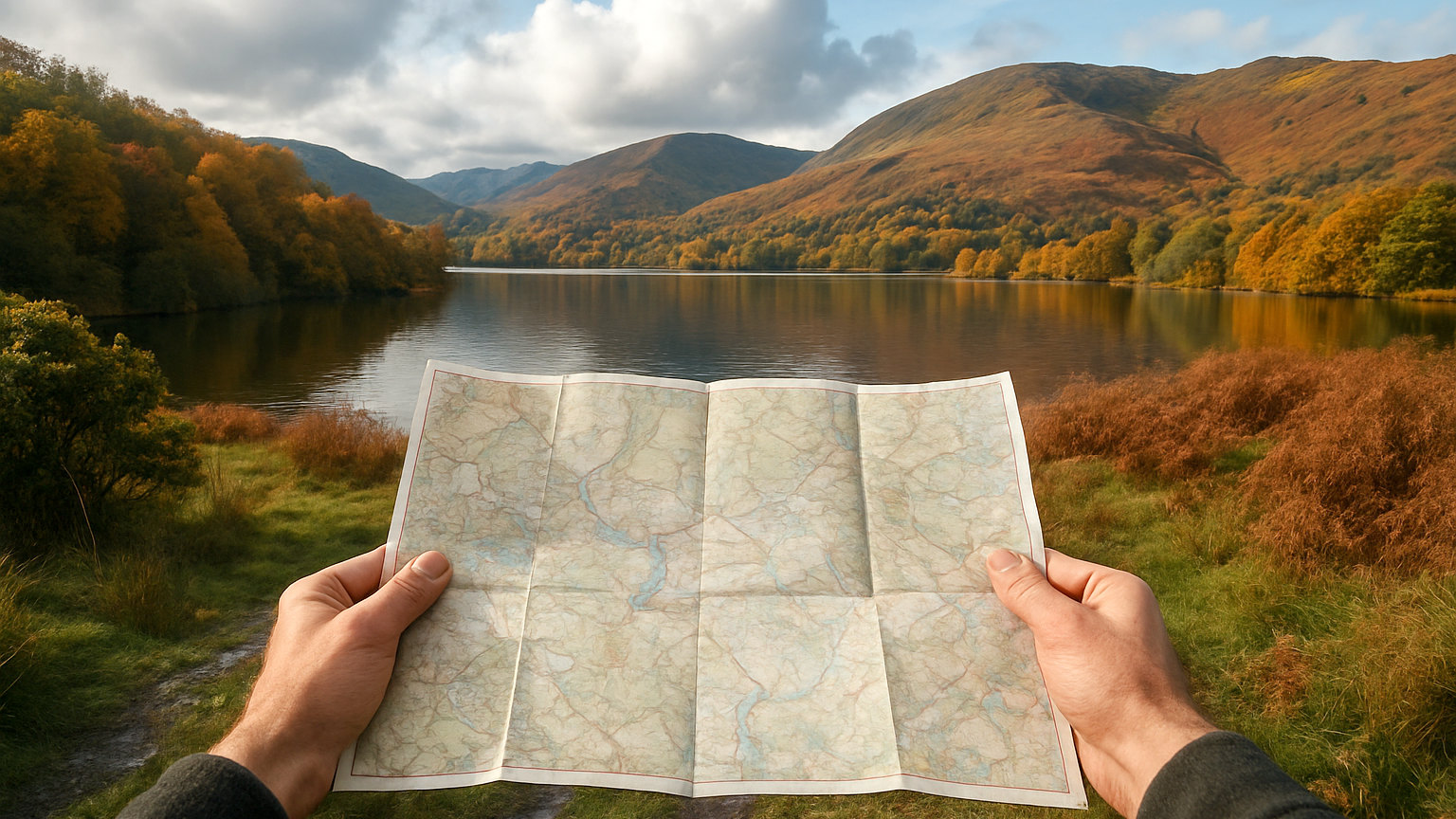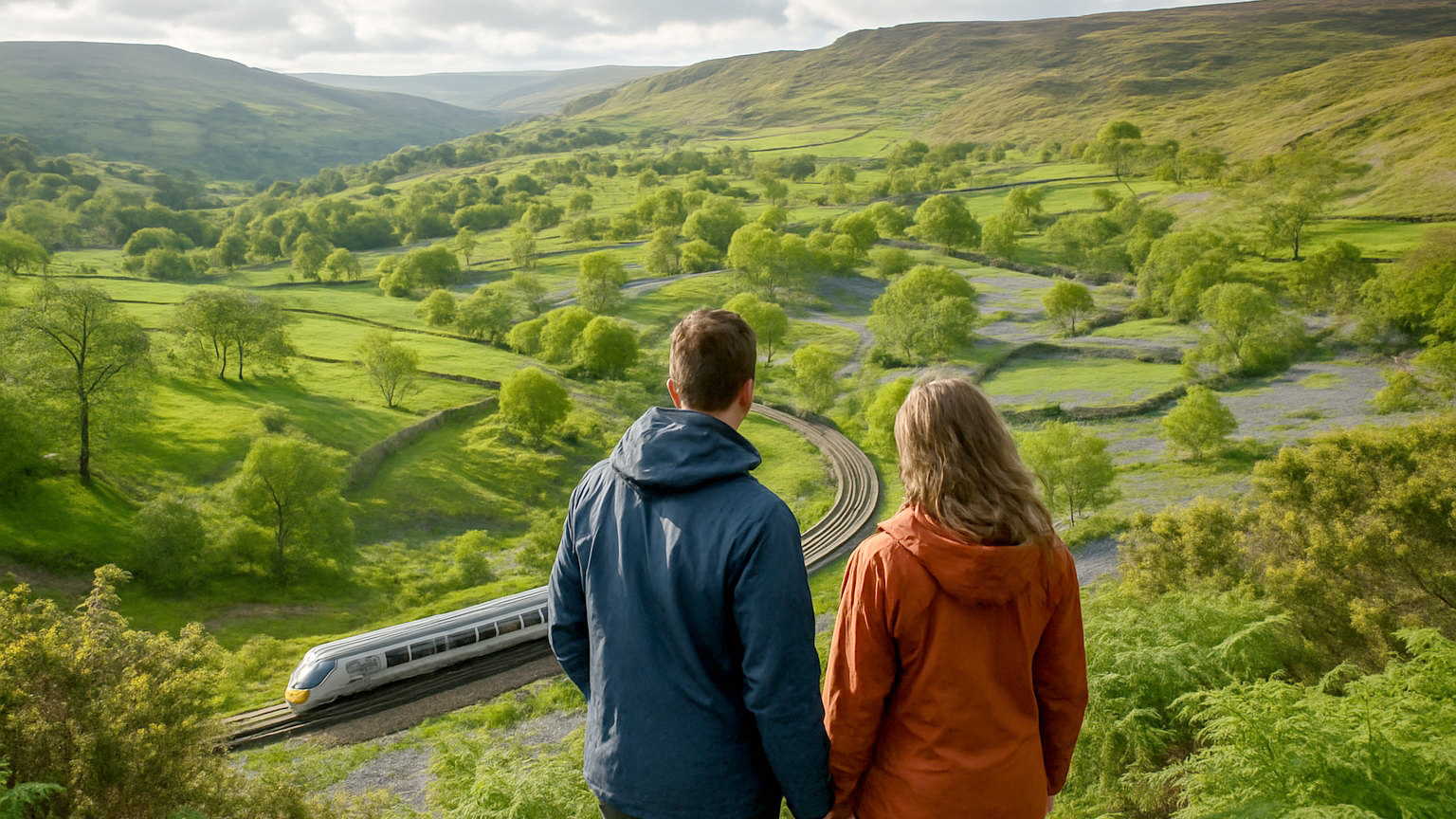
A rail itinerary is structured differently from a driving one. The network is a set of lines rather than an open map, which rewards a hub and spoke approach and punishes attempts to move sideways between branches.
What shape suits rail travel?
Hub and spoke. Base yourself in a town on the network with good connections and take day trips outwards, returning each evening, rather than moving accommodation constantly.
This suits Britain particularly well because the country is small, day trips of an hour or two each way are practical, and it removes the daily packing that undermines a moving itinerary.
Which cities make good hubs?
York, for the north east, the Dales via connections and the moors and coast. Manchester, for the Peak District, Liverpool, Chester and the Lakes. Edinburgh or Glasgow for Scotland.
Bristol or Bath for the west country and south Wales. Newcastle for Northumberland and the coast. London for the south east and everywhere else.
How do you choose accommodation?
Within walking distance of the station, which is the single most useful criterion for a rail trip and one that transforms early departures and late returns.
Check the walking distance rather than the map distance, and check which station, since several cities have more than one.
Which regions work well without a car?
Cities and the corridors between them, obviously. Also the Peak District from the Manchester to Sheffield line, the Lake District via Windermere with the seasonal buses, the North York Moors, Eryri via the Conwy Valley line and the Sherpa buses, and Pembrokeshire with its coastal services.
The Scottish Highlands work surprisingly well on the West Highland and Highland Main lines, and the journeys are part of the attraction.
Which regions do not?
The Cotswolds, mid Wales away from the two lines, the interior of the Dales, Northumberland away from the coast, and most of the far south west beyond the main line.
In these areas a car or a taxi for the final miles is necessary, and pretending otherwise produces a frustrating trip.
Should you buy a pass?
If the trip involves several long journeys and flexible dates, a regional rover giving unlimited travel for a number of days is frequently better value and removes the need to commit to specific trains.
For a fixed itinerary booked well ahead, advance singles usually cost less. Price both before deciding.
How do you handle the last few miles?
Taxis, which for one journey at each end are cheaper than a week of car hire. Book them in advance in rural areas, since firms are small and may not answer on a Sunday.
Many rural hosts collect guests from stations if asked. Seasonal national park bus networks cover trailheads in several areas between spring and autumn.
What should you check when planning?
Engineering works, concentrated at weekends and bank holidays and published weeks ahead. Sunday services, which are reduced on many lines and absent on a few.
Last train times, which on rural lines can be surprisingly early and determine how long an evening can be.
What are the advantages over driving?
No parking, no emission charges, no drink driving consideration, and the ability to read, work or sleep. Several of the best journeys in Britain are themselves worth taking.
You also arrive in city centres rather than on the outskirts, which for an urban trip saves a good deal of time.
What is a good rail itinerary shape?
Two hubs in a week, four nights and three, each with two or three day trips outwards, connected by one direct journey. Accommodation near both stations, a railcard, and advance tickets for the long legs.
That covers a substantial area, costs less than driving for one or two people, and involves no parking at any point.
What about luggage?
Pack lighter than for a driving trip, since you carry everything through stations, up stairs and along platforms, and racks fill on busy services. One bag each that you can lift comfortably is the practical limit. Hotels and station left luggage offices will store bags on arrival and departure days, which turns two half days into usable ones.