Almost every first itinerary for Britain contains too much. The country looks small on a map, the famous names are spread across it, and the result is a plan involving London, Edinburgh, Stonehenge, the Cotswolds, the Lake District and Cornwall in ten days, which is a tour of the transport network rather than a holiday.
How much can you realistically cover?
One city and one region in a week, or two cities and one region in ten days. Two weeks allows three areas comfortably with time in each.
The useful discipline is to count nights rather than places. Anywhere worth going deserves at least two nights, and anywhere requiring three hours of travel to reach deserves three.
Should a first trip include London?
Usually, yes, and for a good many visitors it is the reason for coming. It also has the best transport connections for reaching everywhere else, which makes it a sensible start or finish.
Give it three or four days rather than two. London rewards depth, and a rushed forty eight hours produces a checklist rather than a sense of the place.
What combines well with London?
Bath and the Cotswolds to the west, reachable in ninety minutes by train, giving Georgian architecture and countryside. Oxford or Cambridge, both under an hour and both manageable as day trips or overnight stays.
Alternatively York and the north, three hours by train, or Edinburgh, which is four and a half and worth the journey if you have the days.
What is the classic ten day shape?
Four nights in London, three in Edinburgh, and three in between, either in York or in Bath and the Cotswolds depending on which direction appeals. All of it by train, with no car at all.
That covers two capital cities, a historic town and some countryside without a single day dominated by travel, which is the test a first itinerary should pass.
What should you leave out?
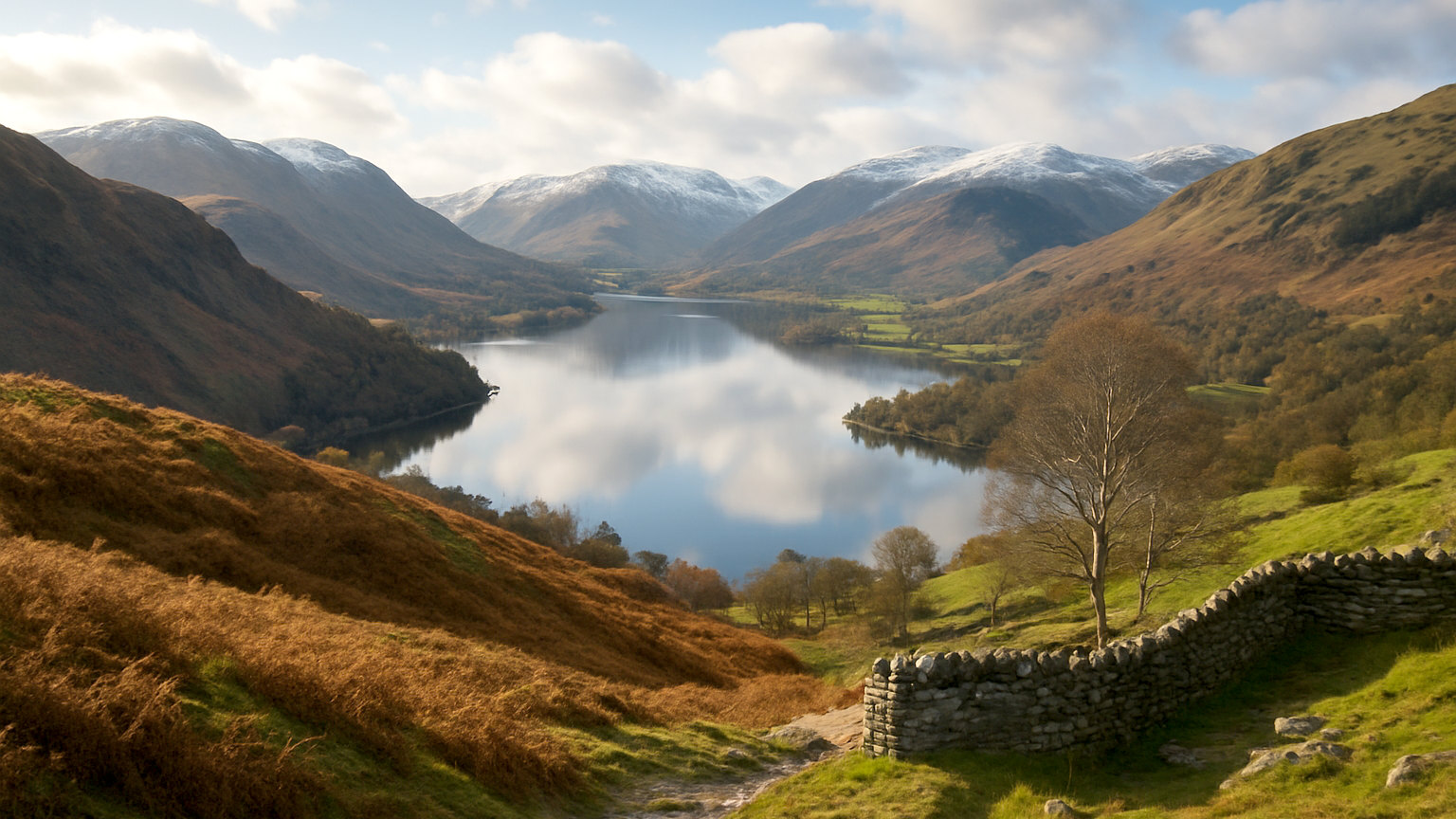
Cornwall and the Highlands, both of which are magnificent and both of which are a long way from everything else. Each deserves a week rather than a detour.
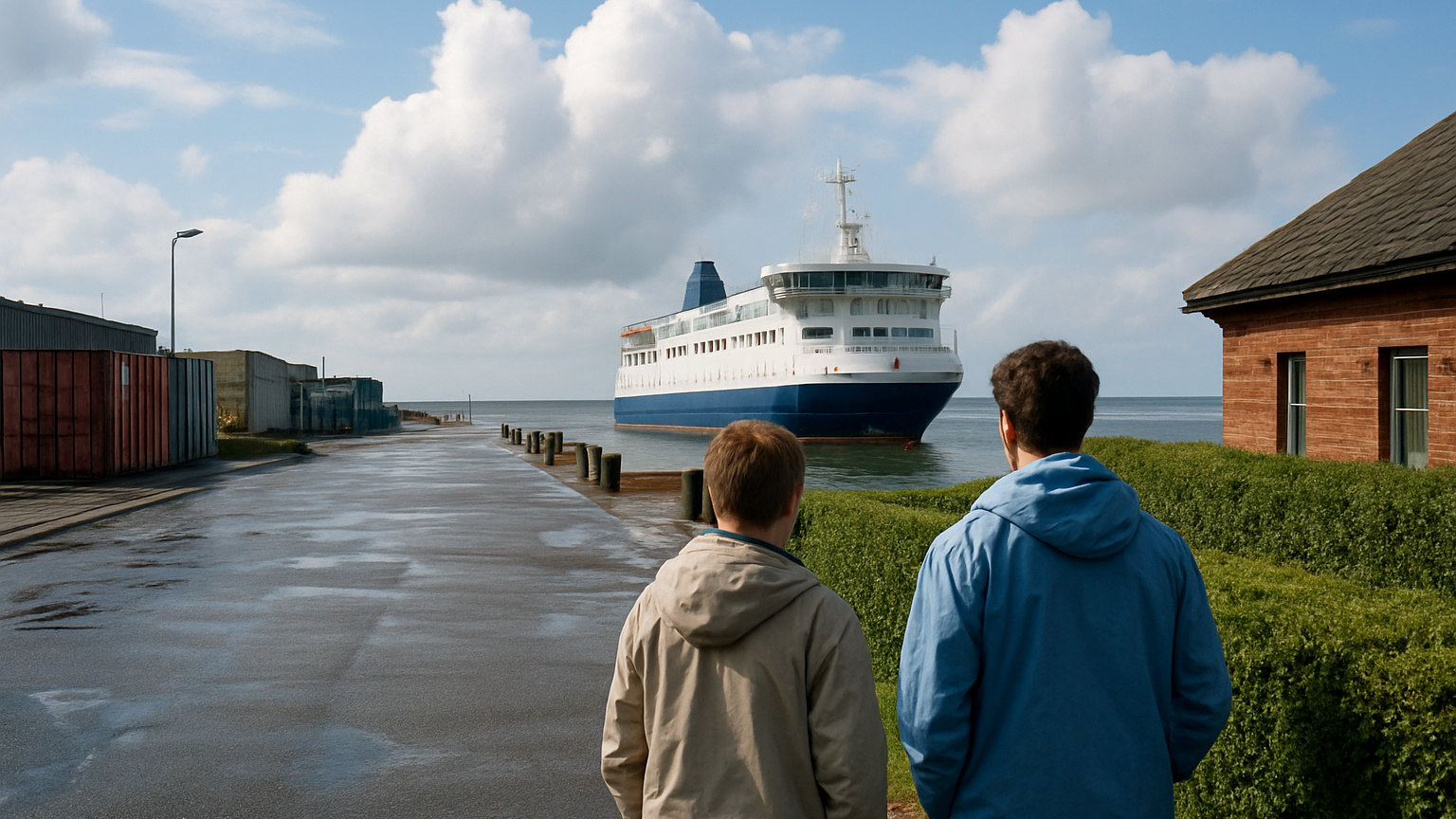
Also, on a first trip, the islands, the far north, mid Wales and anywhere requiring a ferry. These are second visit destinations and are better for it.
Do you need a car?
For a first trip built around cities and well connected towns, no, and it is a liability in most of them. Trains connect everything in the shape above and city centre parking is expensive and restricted.
If the itinerary includes the Cotswolds, the Lake District or the Highlands away from the railway, hire a car for that section only rather than the whole trip.
How long should each stop be?
Three or four nights in a major city, two or three in a region, and never one. A single night somewhere means arriving in the afternoon, sleeping and leaving in the morning.
Moving accommodation costs roughly half a day once packing, checking out, travelling and checking in are counted, which is why fewer bases produce more holiday.
What about the famous sights?
Include the two or three you genuinely want and skip the rest without guilt. Stonehenge is remarkable and a substantial detour from most routes; the Cotswolds are lovely and full in August.
The things visitors remember are usually the unplanned hours rather than the monuments, and an itinerary with no gaps guarantees there will not be any.
When should a first trip be?
May, June or September. Everything is open, the days are long, the weather is as reliable as it gets and the crowds are below the July and August peak.
Winter is cheaper and darker, with short days that make travelling between places harder than the mileage suggests.
What is the single best piece of advice?
Delete one destination from whatever you have planned and give the days to the others. Everyone who does this reports a better trip, and nobody who has done it regrets the place they left out.
Britain is small enough to return to, and a first visit that leaves you wanting more has succeeded rather than failed.