A week is the most common length for a British trip and the one most often overloaded. Seven nights sounds generous and, once arrival and departure days are counted, leaves about five usable ones, which changes the arithmetic considerably.
How many bases should a week have?
Two, or three at the very most. Each move costs roughly half a day, so a week with four bases spends two days moving and five nights unpacking.
Two bases with three or four nights each is the most comfortable shape and leaves room for day trips from both.
Where should the travel days go?
At the ends and in the middle. Arrive on day one, settle for three or four nights, move once around the midpoint, and finish at the second base with the departure from there.
Avoid a long journey on the final morning, particularly before a flight, since British transport does not always cooperate and a missed connection at that point is expensive.
What does a city and countryside week look like?
Three nights in a city with rail connections, then four in a rural base within an hour or two. Manchester and the Lake District, Edinburgh and Perthshire, Cardiff and the Brecon Beacons, or Bristol and the Cotswolds.
This gives contrast, solves the wet weather problem and lets you hire a car only for the rural half.
What does a single region week look like?
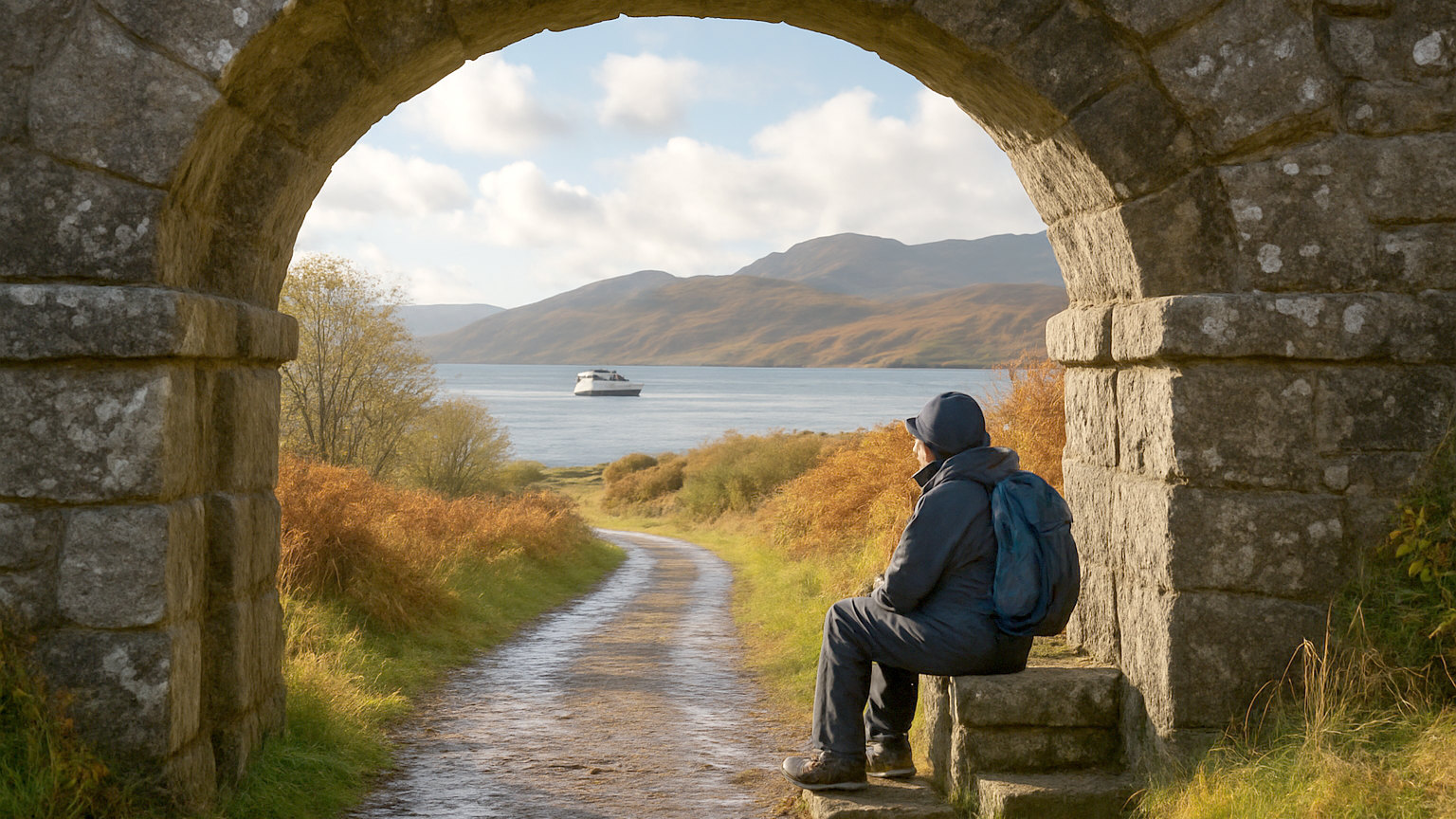
One base for the whole week, or two within the same area, exploring outwards. Cornwall, Pembrokeshire, the Highlands, Northumberland or the Yorkshire Dales all justify seven nights on their own.
This is the most restful shape and the one experienced visitors most often choose after a first trip taught them the alternative.
What does a two city week look like?
Three or four nights in each, connected by a single train journey. Edinburgh and Glasgow, Manchester and Liverpool, London and York, or Bristol and Cardiff.
It works well for anyone who wants museums, food and evenings rather than landscape, and requires no car at all.
How much should you plan each day?
One substantial thing, not three. A major attraction, a walk or a day trip fills a day properly once travel, lunch and the pace of actually being somewhere are counted.
Leave at least two days with nothing arranged. These are the days people remember and the ones that absorb bad weather without wrecking the plan.
What should you book in advance?
Accommodation and any long distance travel. Anything with timed entry. One or two restaurants, particularly for the first evening and a Saturday.
Leave the rest open. A week booked solid has no capacity to follow a recommendation or wait out a wet morning.
How do you handle the weather?
By having an indoor option identified for each base before you arrive. Every British week includes at least one wet day, and the difference between a good trip and a frustrating one is whether you decided what to do about it in advance.
Keeping the walking days flexible and the museum days as reserve is the standard approach.
What is the most common structural mistake?
A different place every night, which produces a week of packing. Second is booking a rural base and planning activities two hours away, which turns every day into a drive.
Check the actual travel time between where you are sleeping and what you intend to do before booking, rather than afterwards.
What is a reliable default?
Three nights in a city, four in a rural base within two hours, one significant activity per day, two days unplanned, and everything reachable without crossing the country.
That shape works almost anywhere in Britain and is very difficult to be disappointed by.
What if the week is your only holiday?
Then weight it towards rest rather than coverage. A single annual week spent seeing five places produces a good set of photographs and very little recovery. One base, a short journey at each end and days with room in them is a better use of the only week you get, and it is the shape most people arrive at eventually.