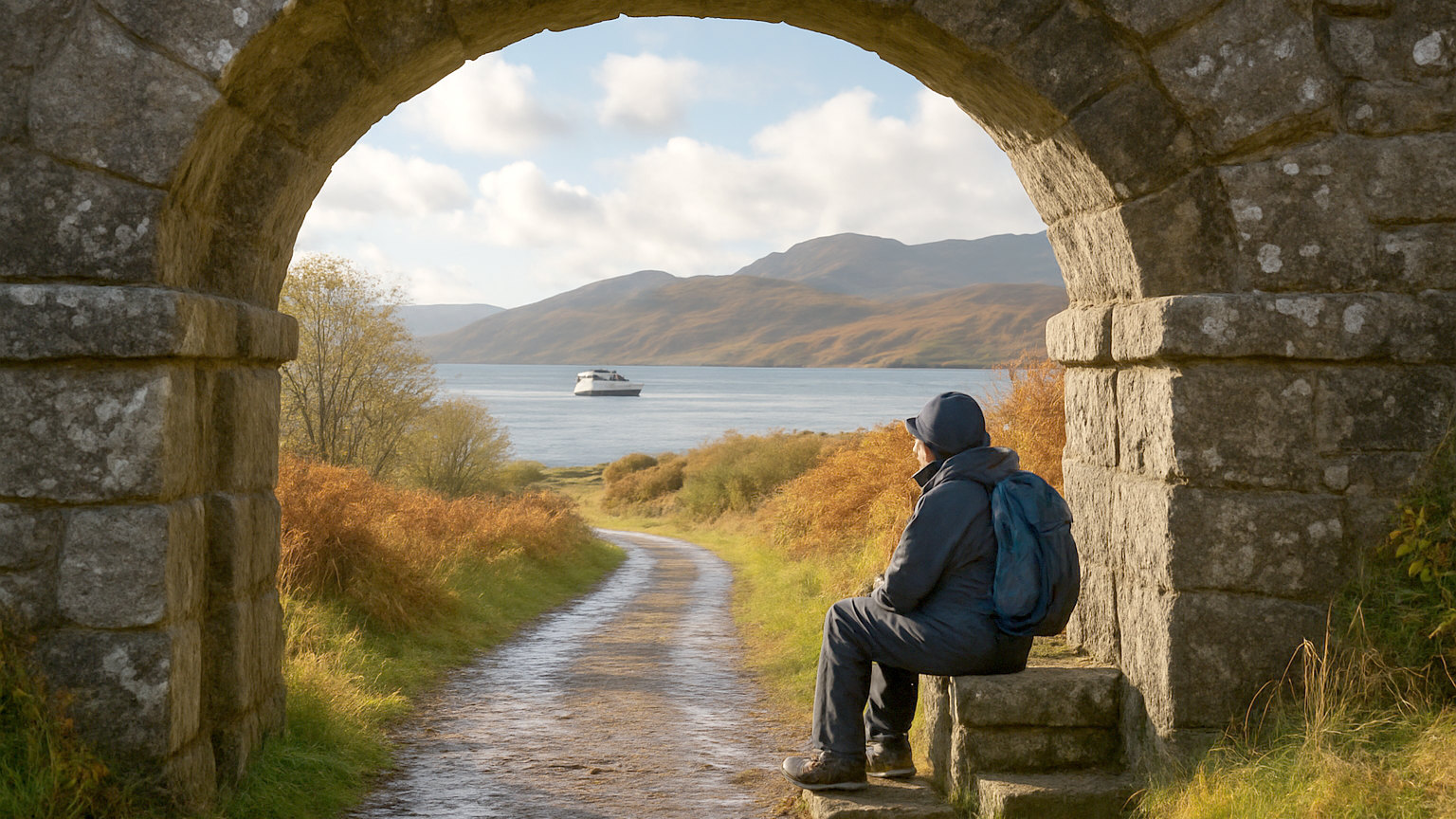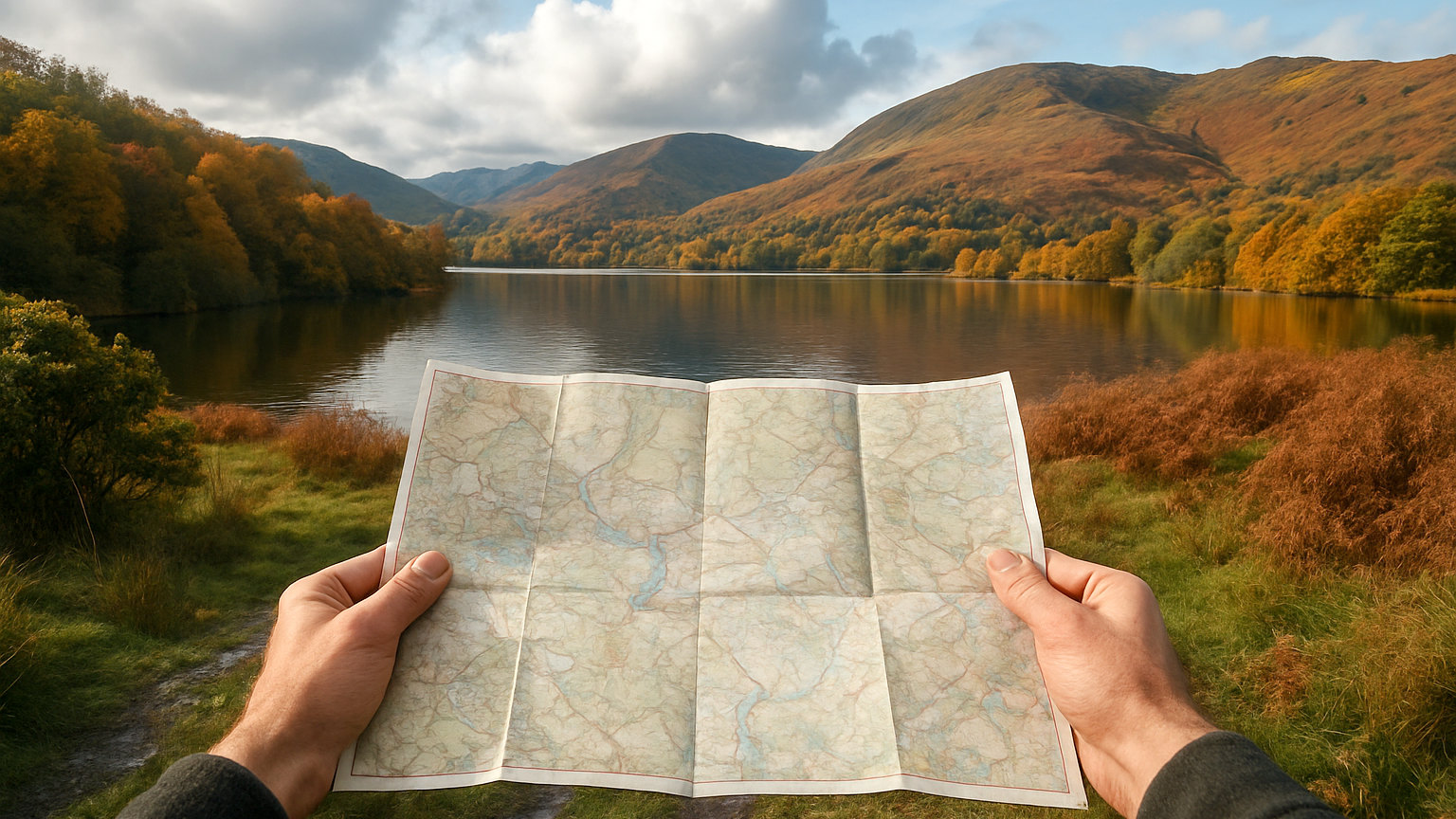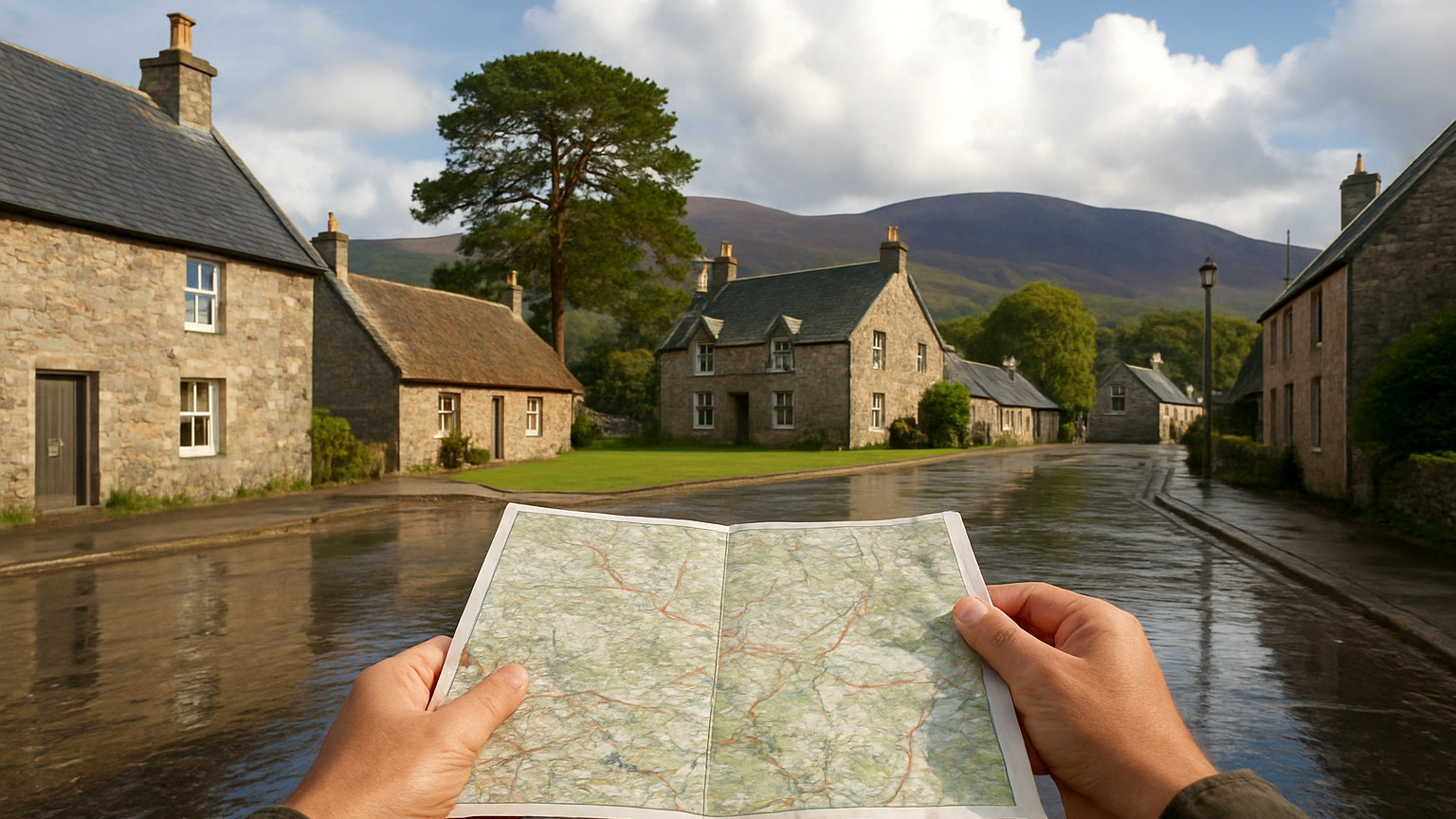
A first trip to Britain is generally London, one or two famous places and a great deal of moving. A second trip is where the country actually opens up, because you can skip the obvious and go somewhere with room in it.
What should you skip?
Whatever you did last time, and any destination whose appeal is largely that everybody has heard of it. The Cotswolds in August, Stonehenge as a detour and the busiest quarter of the Lake District all fall into this category.
That leaves the overwhelming majority of the country, most of which receives a small fraction of the visitors.
Where should you go instead?
Northumberland, which has more castles than any other English county, empty beaches, the best preserved section of Hadrian's Wall and the darkest skies in England.
Pembrokeshire for the only coastal national park in Britain. Mid Wales for genuine emptiness. Galloway and the Scottish Borders. The Yorkshire Wolds and the north Norfolk coast.
What about Scotland beyond Edinburgh?
The islands, which are the strongest argument for a second trip. Orkney for archaeology older than the pyramids, the Outer Hebrides for beaches and Gaelic culture, Mull and Islay for wildlife and whisky.
On the mainland, Assynt and Sutherland in the far north west, which are emptier and arguably more dramatic than anywhere on the standard route.
Which cities are worth a second look?
Glasgow, which most first time visitors skip and which has better museums, better music and lower prices than Edinburgh. Liverpool, Newcastle and Belfast for the same reasons.
Sheffield, Leeds, Hull and Dundee are cheaper again and almost entirely unvisited by overseas travellers.
Should you go deeper rather than wider?
Frequently the better answer. A second trip spending a fortnight in one region, walking, eating and going back to places twice, produces a different kind of knowledge from a tour.
People who have done this generally describe it as the trip that made them understand the country rather than see it.
What about the seasons?
A second visit is the time to try a different one. Britain in autumn and winter is cheaper, emptier and in several respects better, with light, weather and wildlife that a summer visitor never sees.
Storm watching on a winter coast, a Highland glen in October and a city in February are all worthwhile and almost nobody plans them.
What about doing something rather than seeing things?
A walking holiday on a national trail, a week of sea swimming, a cookery course, a wildlife trip built around a species, or a volunteering week with a conservation body.
Trips with an activity at the centre tend to be more memorable than trips built around a list of places, and Britain caters for a great many of them.
Should you use a car this time?
Probably, since the places worth a second trip are largely those the railway does not reach. A first trip by train and a second by car is a natural progression.
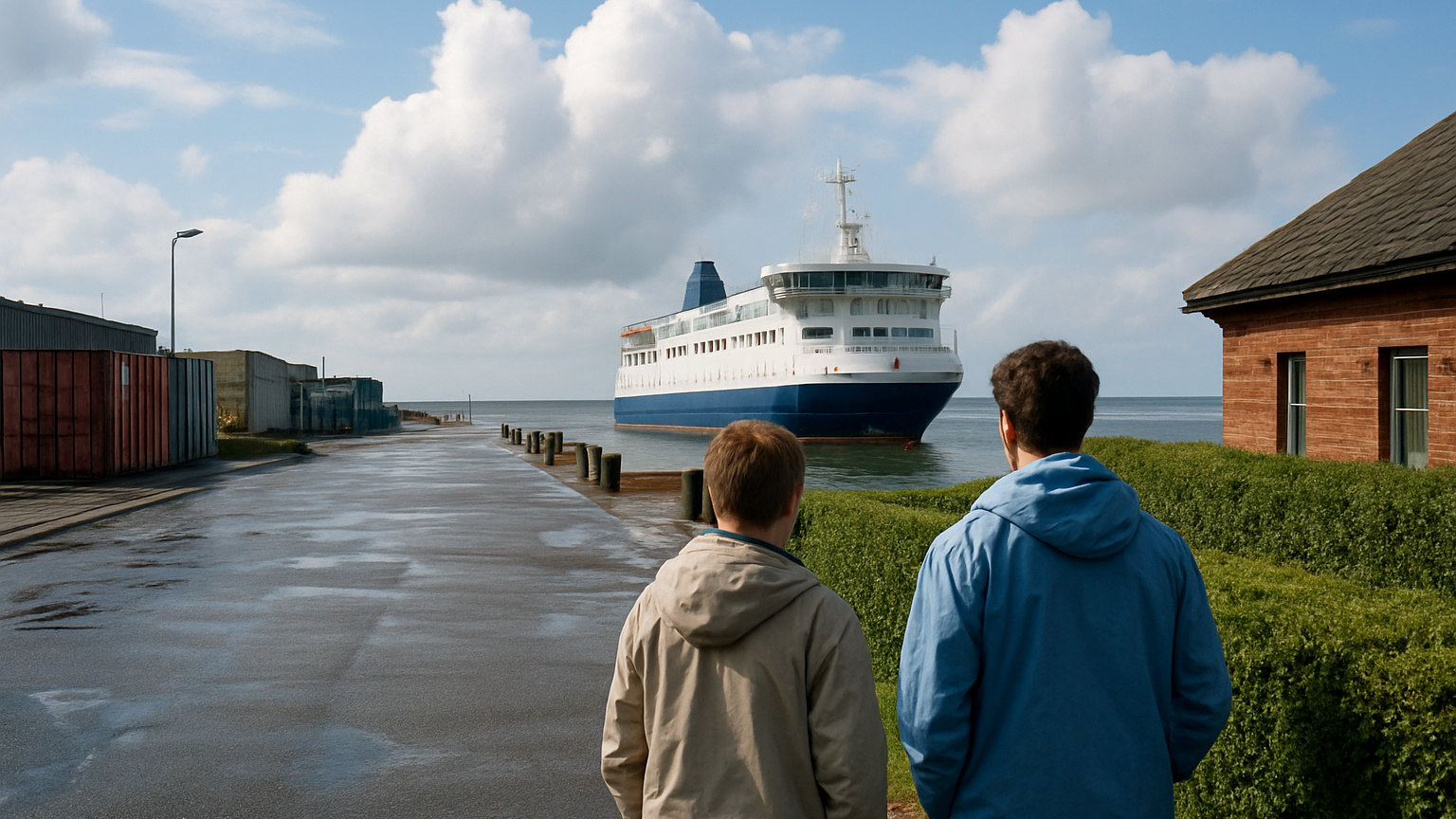
Alternatively use the ferry network and go to the islands, where a car is useful and the journeys are part of the point.
How long should it be?
Longer in fewer places. Ten days in two regions rather than ten days in five, which is the mistake most first trips make and most second ones correct.
What is the single best second trip?
A fortnight split between the Scottish west coast and one island group, or between Northumberland and the Scottish Borders, or between Pembrokeshire and mid Wales.
All three cover country most visitors never see, cost considerably less than the standard route and are almost entirely free of crowds.
What do returning visitors say afterwards?
Consistently, that the second trip was better than the first, and that the reason was fewer places rather than better ones. The pattern is almost universal: a first visit covering six destinations, a second covering two, and a clear preference for the second. Whatever else you change, halving the number of stops is the change that reliably works.