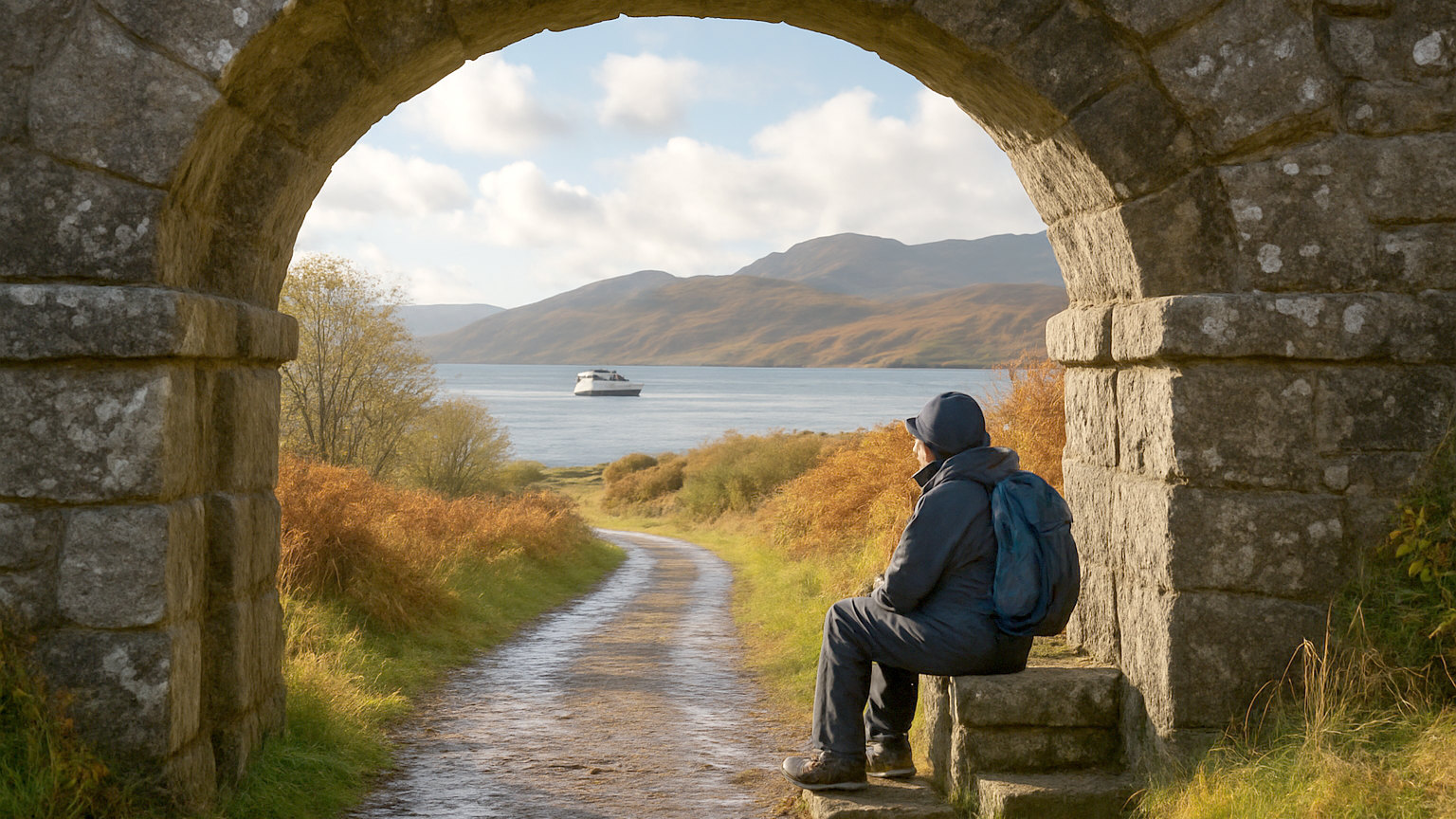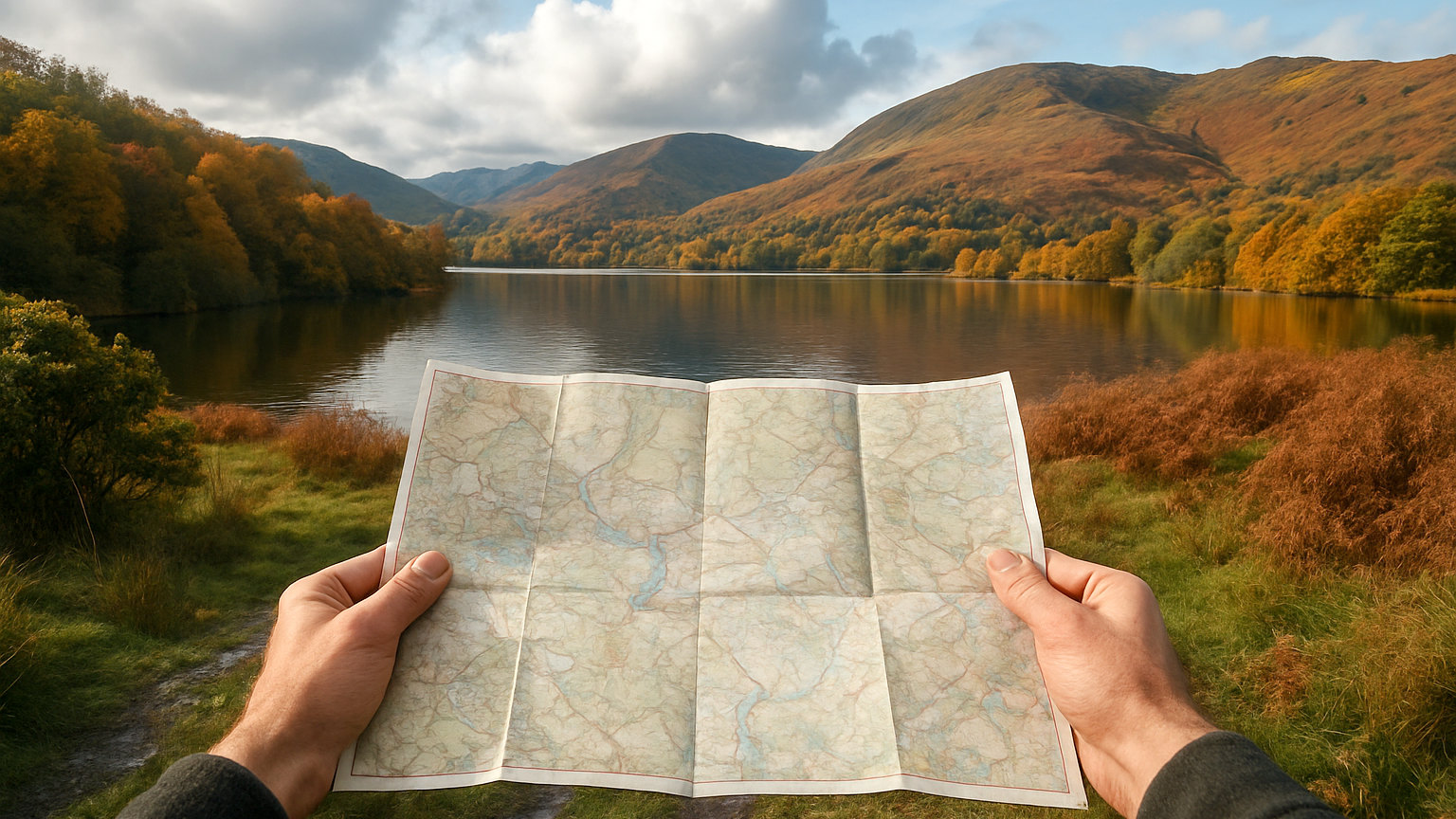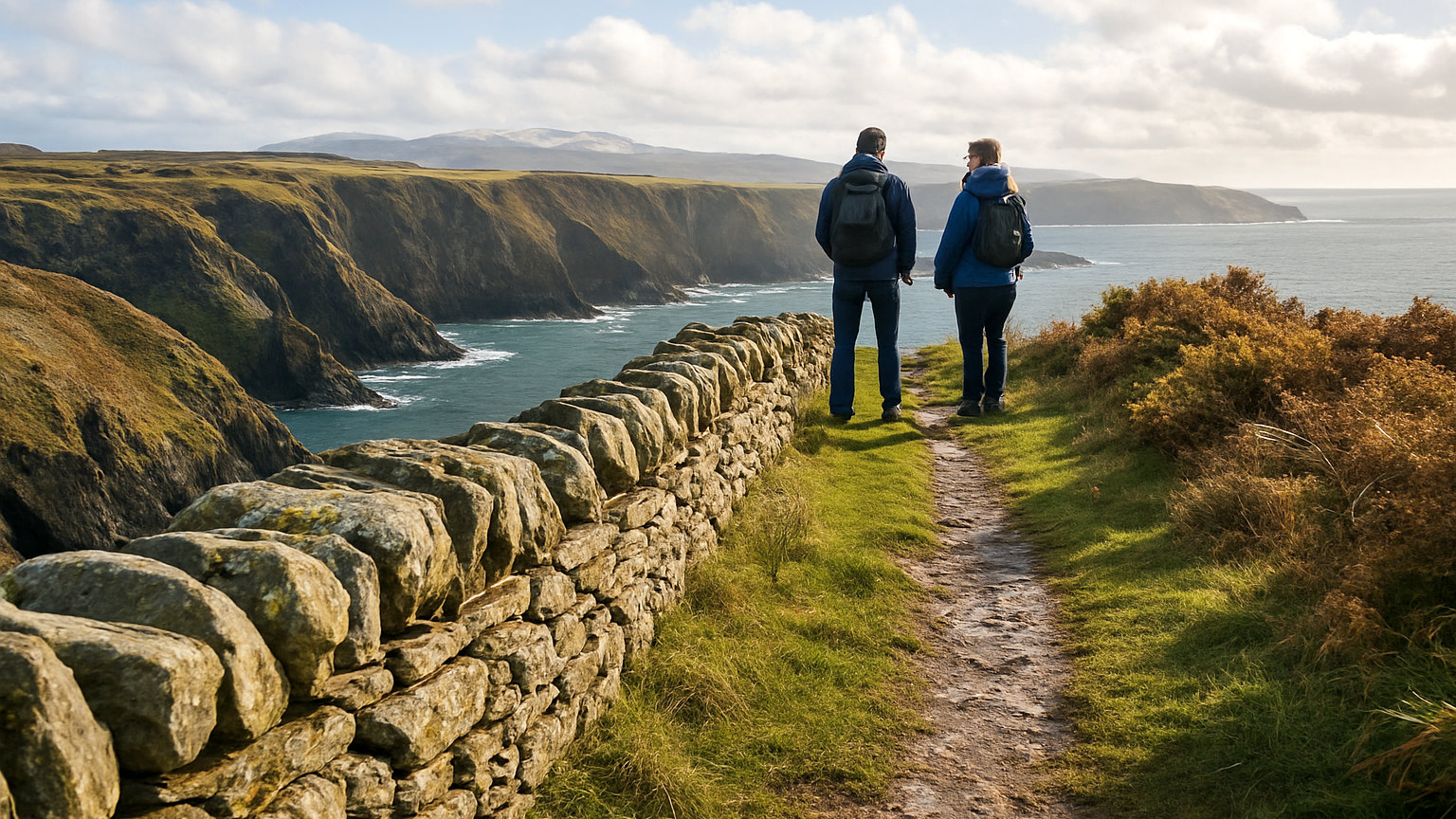
Most groups contain people who want different holidays. One wants to walk all day, another wants galleries and lunch, a third wants to sit down. Trips that try to satisfy everyone with a single shared itinerary usually satisfy nobody.
What is the basic principle?
Choose a base with variety rather than an itinerary that compromises. If everyone can find something they want within half an hour, the group can split during the day and reconvene for dinner.
That is a far better structure than everybody doing a diluted version of one person's holiday.
Which bases offer the most variety?
Towns and small cities on the edge of countryside. Keswick, Bakewell, Betws y Coed, Pitlochry, Hexham, Kendal and Abergavenny all sit within reach of hills, water, shops, museums and pubs.
Larger cities with countryside close by work equally well: Manchester, Sheffield, Newcastle, Bristol, Edinburgh and Glasgow all have national park or coast within an hour.
How should you structure the days?
One shared thing a day, usually the evening meal, and the rest flexible. Some days everyone does the same thing, other days people split.
Making the split explicit at the planning stage prevents it feeling like a defection when it happens.
How do you handle different energy levels?
Choose walks with an obvious turning point, so people can go as far as they want and return. Circular routes with a shortcut, or linear walks with a bus back, both work.
Avoid committing the whole group to a route with no escape, which is where mixed ability groups have their worst days.
What works for a family with grandparents?
A property with more than one sitting room and a ground floor bedroom, near somewhere level to walk and somewhere for children to run.
Coastal towns and country parks both suit three generations because they offer a beach or a lawn, a level path and a cafe within the same place.
How do you plan with teenagers and younger children?
Give the teenager one day of their own choosing and a degree of independence, and build the rest around the younger children's pace.
Activities with instruction, such as surfing or climbing, are the most reliable way to occupy an older child while the rest of the group does something else.
What if one person wants a city and another the countryside?
Split the trip rather than the days. Three nights in each, in places within an hour or two, gives both people the holiday they wanted rather than a compromise neither enjoyed.
This is the single most effective solution and it is used far less often than it should be.
How do you decide who chooses what?
Give each person or household one day to plan and commit to it. Everyone gets what they want once, everyone experiences something they would not have chosen, and nobody carries responsibility for the whole trip.
It also removes the resentment that builds when one person does all the organising.
What about the money?
Agree the basis before booking, including how shared costs are handled and who pays for what beyond accommodation. Different appetites for spending cause more friction on group trips than different interests do.
A kitty for shared costs and individual payment for optional activities works cleanly.
What should you avoid?
A single itinerary that everyone must follow, a remote base with only one thing to do, and any assumption that people will simply enjoy whatever is arranged.
Asking each person what they most want from the week, before anything is booked, takes ten minutes and prevents most of the difficulty.
What if somebody does not want to come?
Worth addressing before booking rather than during the trip. A person brought along reluctantly to a destination chosen by others rarely enjoys it and affects everyone else. Either find a base offering something they genuinely want, shorten the trip so it is a smaller commitment, or accept that not every holiday has to include everybody.