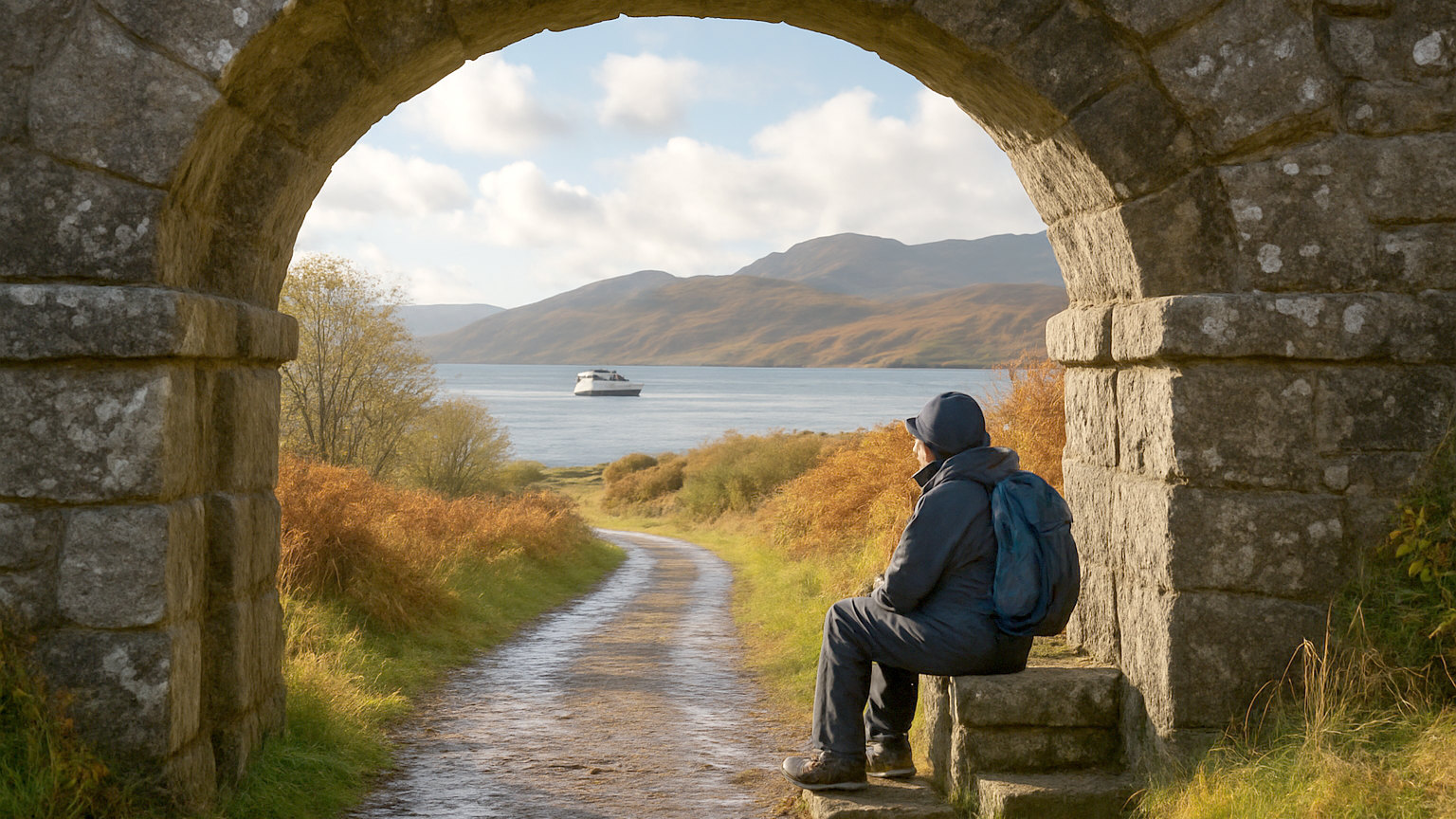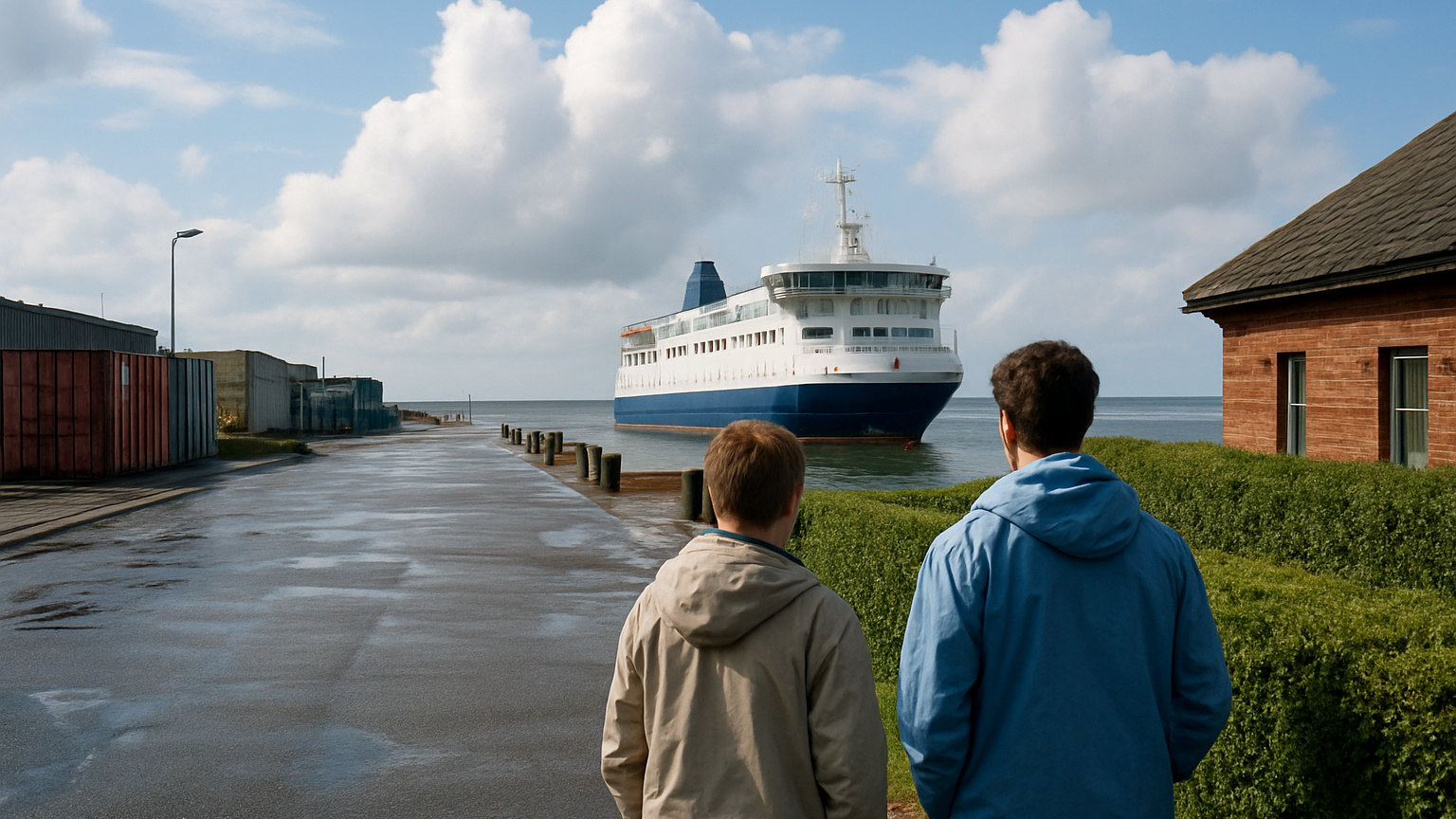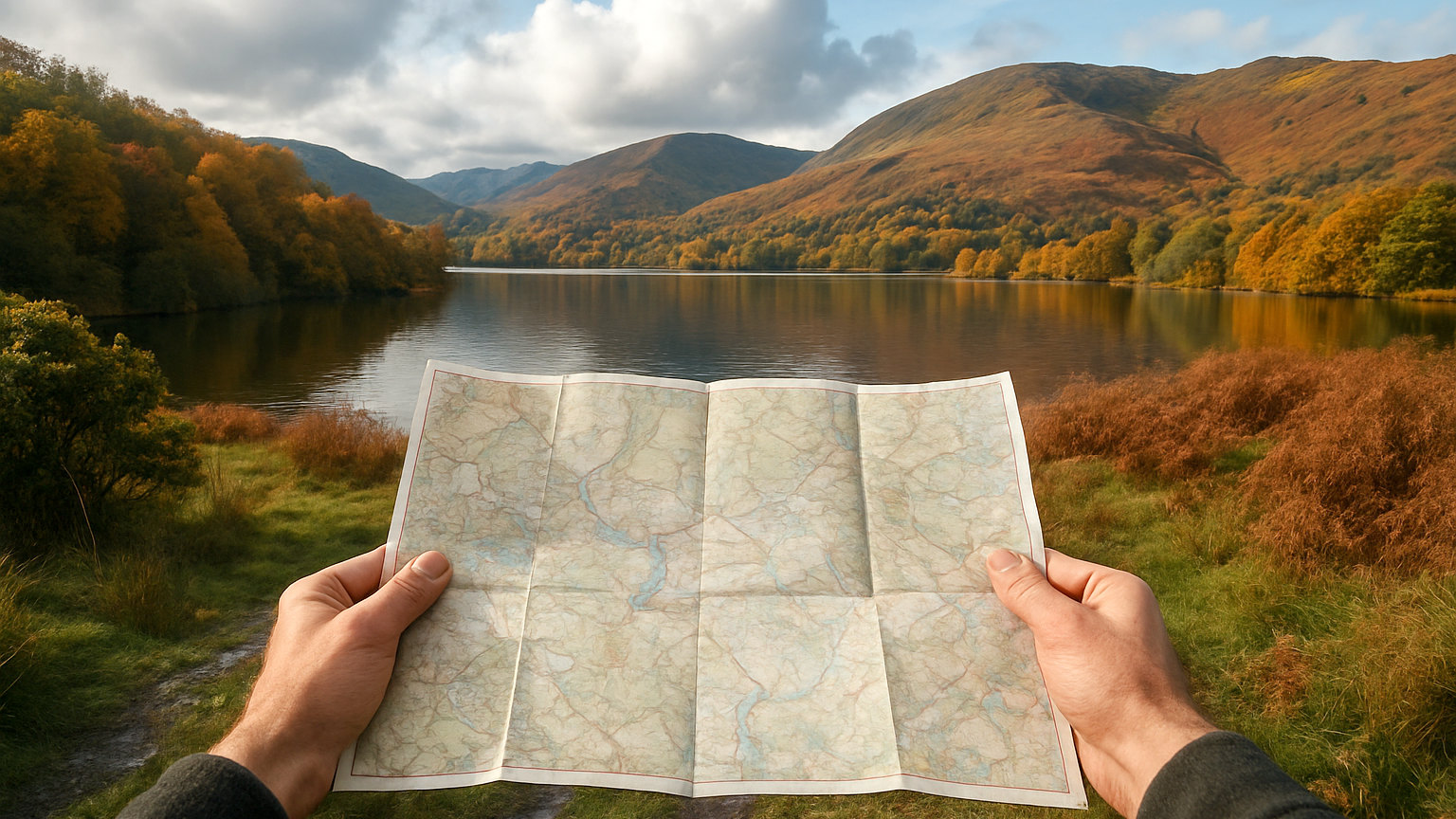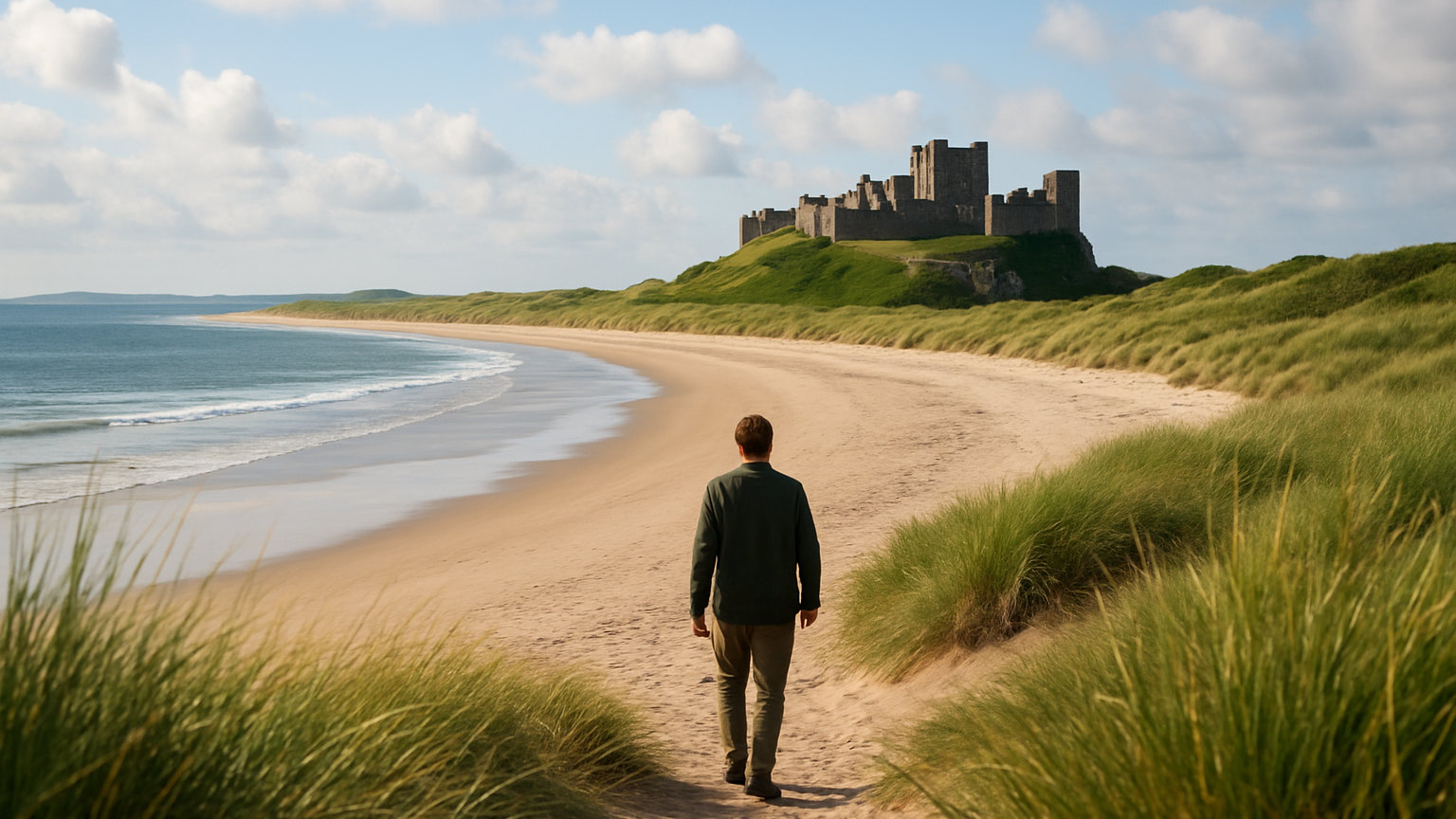
A fortnight is the length at which Britain starts to open up. It is enough for three regions with time in each, or for a genuine end to end journey, and it removes the compression that makes a one week trip feel like a schedule.
How many places should a fortnight include?
Three bases, four at most. Fourteen nights divided into blocks of four or five gives time to settle, take day trips and absorb a poor weather day without losing anything.
Six or seven stops is possible and produces a fortnight of moving, which is a different holiday and rarely the one people intended.
What does the classic north south route look like?
London for four nights, then north by train. York or the Peak District for three, Edinburgh for three, and the Highlands for four, flying home from Inverness or Glasgow.
This covers two capitals, historic England and mountain Scotland, with no backtracking and all of it feasible by rail with a car hired for the Highland section.
What does a west coast route look like?
Bath and the Cotswolds, then south Wales and the Brecon Beacons, then Pembrokeshire, then north Wales and Eryri, finishing at Liverpool or Manchester.
It is quieter, cheaper and less obvious than the north south route, and it covers a great deal of coastline and mountain in a compact area.
What about an England only fortnight?
London, the Cotswolds or Oxford, the Peak District or the Lake District, and York or Northumberland. Four regions, each two or three hours apart, in a rough loop.
This suits anyone who wants variety without long transits and works well entirely by train with occasional car hire.
Can you do Scotland properly in a fortnight?
Yes, and it is one of the best uses of the time. Edinburgh, then the west coast around Glencoe or Torridon, then the far north or the islands, then back via the Cairngorms.
Scotland is large and slow, and a fortnight there gives it the space it needs rather than compressing it into three days at the end of an English trip.
Where should the travel days fall?
Between blocks, and never on consecutive days. A long transit day is more tolerable when it separates two settled stretches than when it follows another one.
Build in one deliberate rest day around the midpoint, particularly if travelling with children or after a long flight.
Should you fly into one airport and out of another?
Frequently the best decision available. An open jaw booking flying into London and out of Edinburgh, Manchester or Glasgow removes an entire return journey and often costs no more.
The same applies to car hire, though one way drop off fees can be substantial and should be checked before assuming.
How much should you book ahead?
Accommodation and long distance travel for the whole fortnight, since availability in popular areas disappears. Attractions with timed entry for the first week.
Leave the second week's daily plans open, since by then you will know how you are actually travelling and what pace suits.
What is the most common fortnight mistake?
Adding a fourth and fifth region because there is time, which converts a comfortable trip into the same rushed shape as a bad one week itinerary.
The second is saving the long journey for the end, so the last days are spent travelling rather than enjoying somewhere.
What would we suggest?
Three bases of four or five nights, one significant move between each, an open jaw flight, and at least four days across the fortnight with nothing planned.
That structure covers a great deal of Britain and still feels like a holiday rather than an expedition.
How much should you budget in time for rest?
At least two days across the fortnight with nothing arranged, and ideally one at the midpoint. Long trips fail in the second week rather than the first, when accumulated travel, early starts and unfamiliar beds catch up. A deliberate day doing nothing in a place you like is not a wasted day; it is what makes the following week enjoyable rather than endured.