Cumbria contains the Lake District, a substantial coastline, the Eden valley, part of the Pennines and the western end of Hadrian's Wall. Most visitors see only the central lakes, which is the busiest and least representative part of the county.
How should you structure the week?
Two bases, four nights and three, in different parts of the national park, or one base in the park and one outside it.
Moving daily is the commonest error here, because the passes between valleys are slow and the driving eats the day.
Which valleys should you choose?
One busy and one quiet, which gives both the famous scenery and some space. Ambleside, Grasmere or Keswick for the first, and Wasdale, Eskdale, Ennerdale or the Duddon for the second.
The western valleys are reached by long drives or high passes, which is exactly why they stay empty.
How bad is the congestion?
Serious in summer. Bowness, Ambleside and Grasmere are heavily congested, trailhead car parks fill before nine and roadside parking is enforced.
Early starts transform every one of these places, and a walk begun at eight is a different experience from one begun at eleven.
What is outside the national park?
The Cumbrian coast, largely industrial in parts and empty in others, with dunes, estuaries and a railway running the whole way round.
The Eden valley, red sandstone villages and quiet country between the Lakes and the Pennines, and Carlisle at the top with its castle and museums.
Is Carlisle worth including?
As a base, yes. It is half an hour from the northern lakes, considerably cheaper than anywhere inside the park, and gives access to Hadrian's Wall and the Solway.
It is also on the main line, which makes arriving by train straightforward.
What about the Settle to Carlisle line?
A working railway across the Pennines with ordinary fares, crossing the Ribblehead viaduct, which is among the finest journeys in England.
Taking it as a day out from Carlisle or Appleby is a good use of a wet day.
How much walking should you plan?
Alternate hard and easy days. Two big fell days in a week is plenty for most people, with valley walks, lakes and towns in between.
Have a low level alternative for each day, since the tops are frequently in cloud when the valleys are clear.
Can you do it without a car?
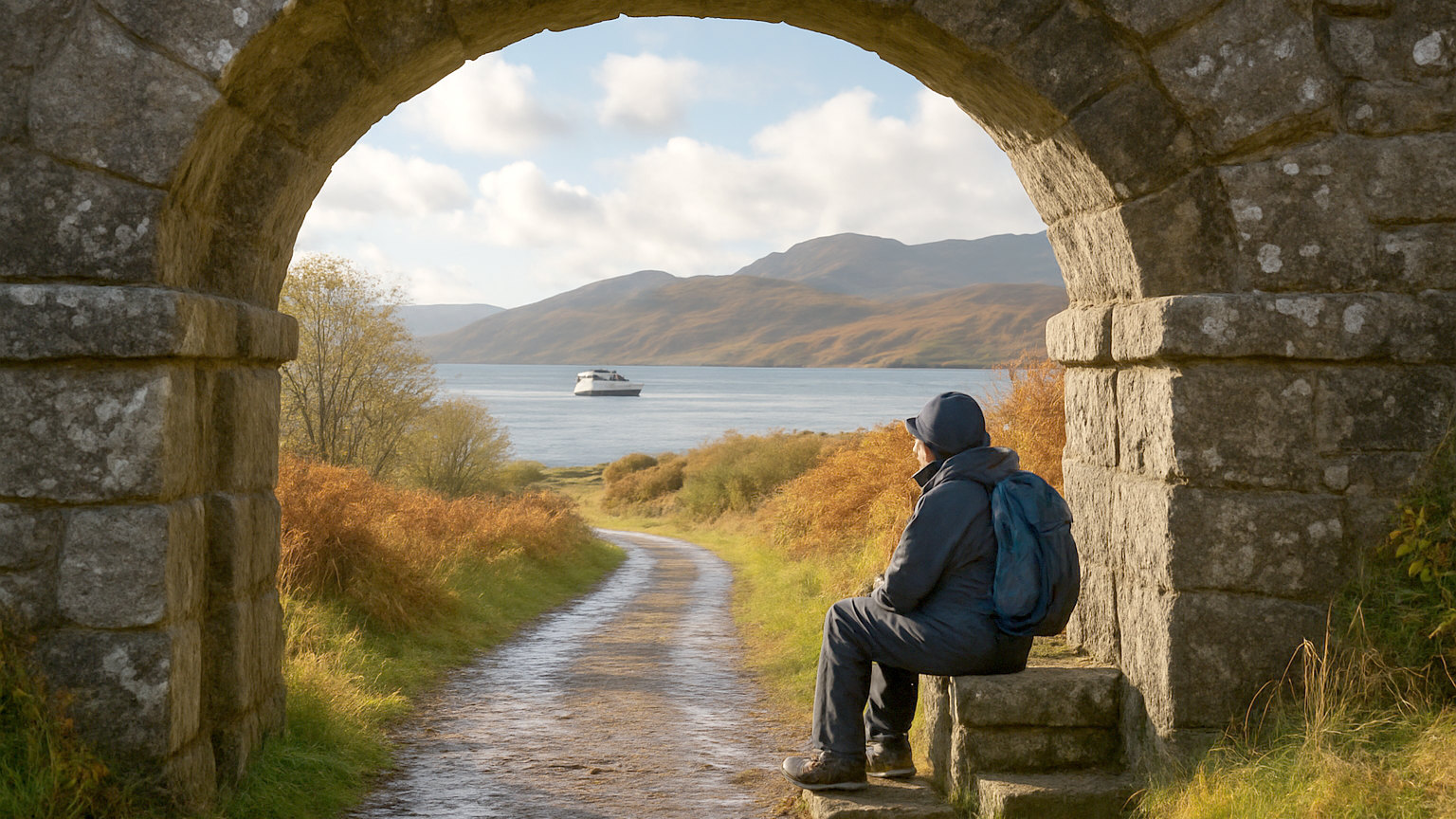
Better than most rural areas. Windermere has a branch line, an open top bus network serves the main valleys in season, and launches cross Windermere, Ullswater and Derwentwater.
A car free week based in Keswick or Ambleside works well and removes the parking problem entirely.
What should you book?
Accommodation months ahead for summer and school holidays. Popular restaurants, particularly in the smaller villages.
Some attractions and boat trips need booking, and several car parks now take advance payment.
When should you go?
May, June, September and October. Winter is beautiful, cheap and demands proper equipment on the tops.
Avoid the August peak and bank holidays, when the central lakes are close to unmanageable.
What is the best week?
Four nights in Keswick or Grasmere and three in Wasdale or Eskdale, in early October, with two fell days and no drive over an hour.
That gives the famous landscape and the empty half of the park in the same trip.
What about the weather?
Cumbria receives more rainfall than anywhere else in England, with the central and western fells worst affected. Plan for it rather than around it: waterproofs, spare clothing and an indoor option each day. Mountain weather forecasts specific to the fells are published daily and differ substantially from town forecasts.
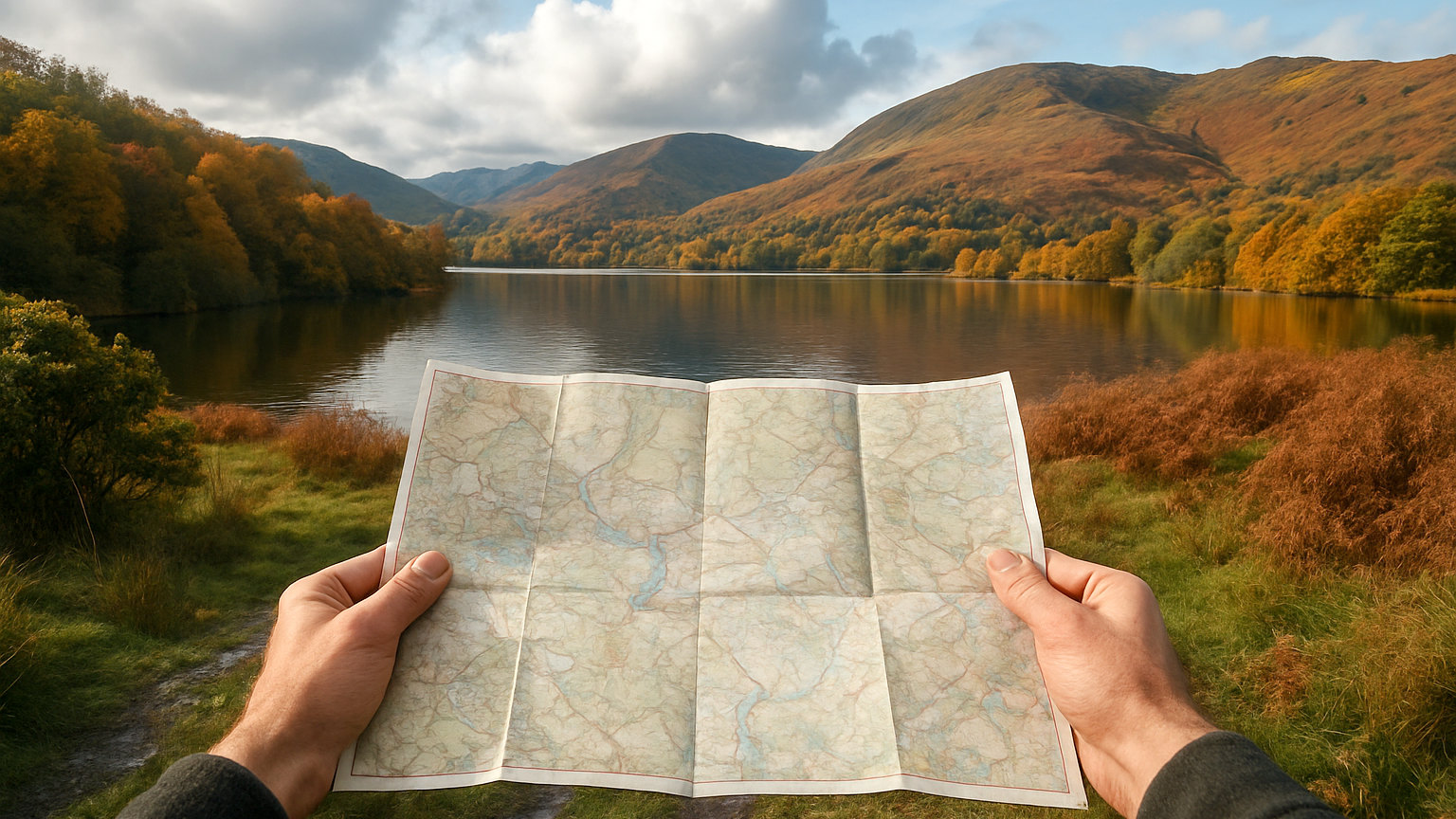
One last point: mountain rescue teams here are called out several hundred times a year, and most incidents involve poor footwear, no map and starting too late in the day.
One final suggestion: take the boat somewhere. Launches on Windermere, Ullswater and Derwentwater let you walk one way and sail back, which is the best use of a day and removes the parking problem entirely.