Gloucestershire divides neatly into three: the Cotswolds in the east, the Severn vale in the middle and the Forest of Dean beyond the river in the west. They are entirely different and most visitors see only the first.
How should you split the week?
Four nights in the Cotswolds and three in the Forest of Dean or the Wye Valley, which are around an hour apart.
Alternatively base in Cheltenham or Gloucester for the whole week, since both sit between the two and nothing is more than an hour away.
Which Cotswold base is best?
Somewhere with a pub and off the coach route. Chipping Campden, Winchcombe, Painswick or Northleach all work.
Avoid the honeypots for accommodation, since Bourton and Bibury are congested by day and quiet only in the evening.
What should you do in the Cotswolds?
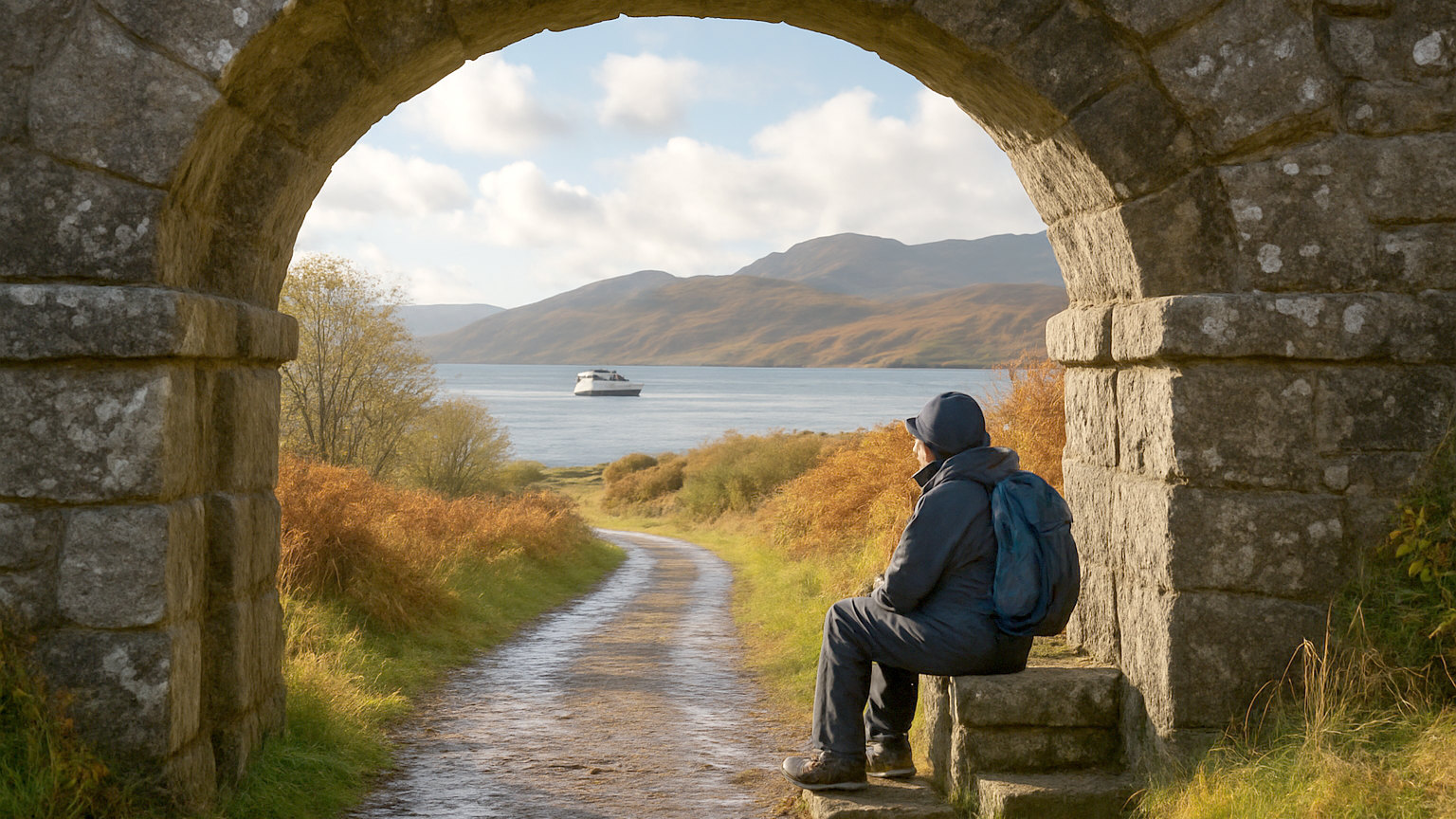
Walk between villages rather than driving between them, since they sit a few miles apart and the paths are excellent.
The escarpment above Broadway and Cleeve Hill for views, the wool churches at Northleach and Fairford, and Hidcote and Kiftsgate for gardens.
What is the Forest of Dean?
An ancient royal forest between the Severn and the Wye, with free miners' rights that survive nowhere else, wild boar, a sculpture trail and old iron mines open to visitors.
It is entirely unlike the Cotswolds and receives a fraction of the visitors.
What is in the Wye Valley?
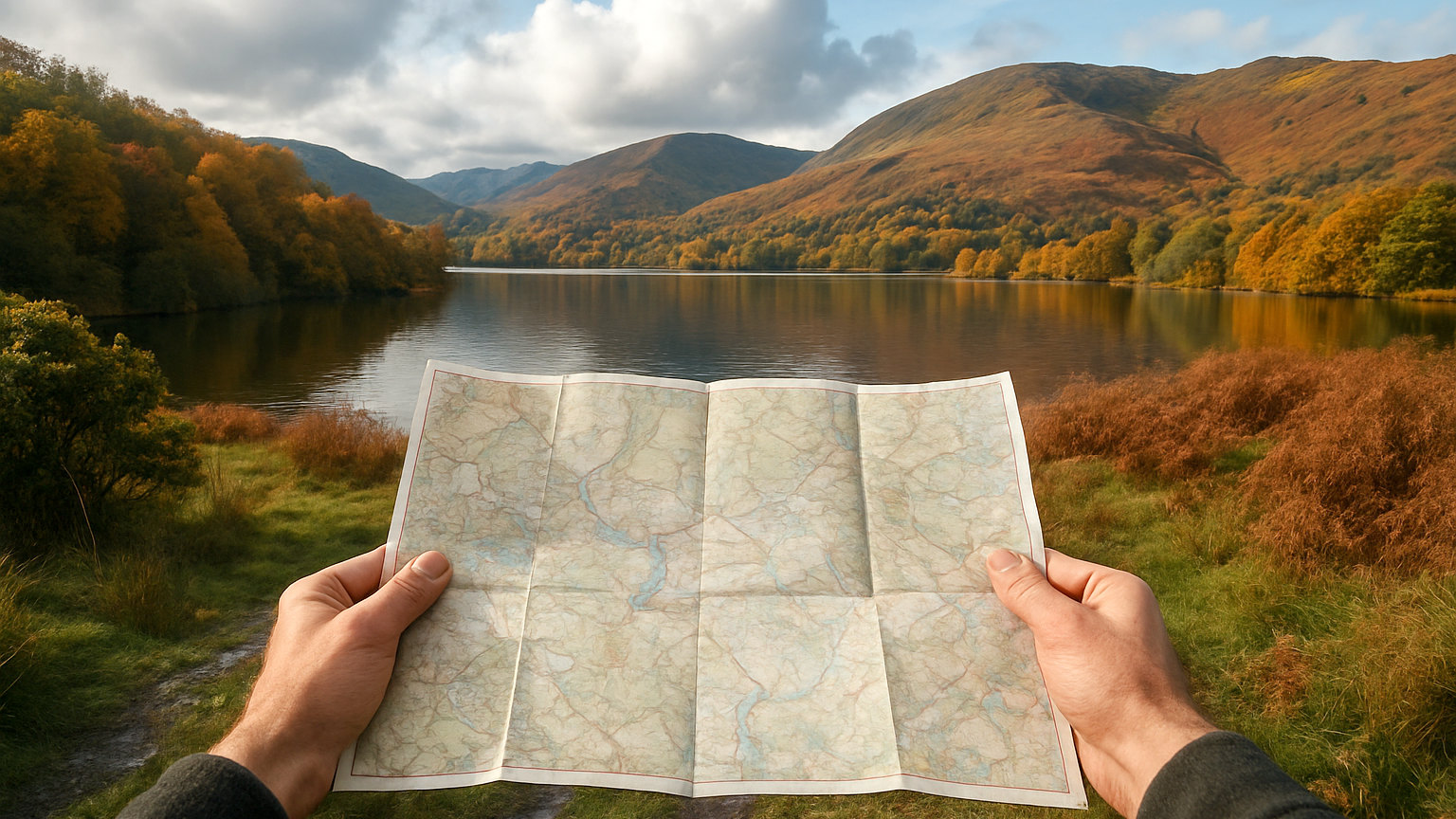
A wooded gorge on the Welsh border with Tintern Abbey, viewpoints at Symonds Yat and Wintour's Leap, and canoeing on the river.
It is among the most beautiful stretches of river country in Britain and has been visited for its scenery since the eighteenth century.
What is at Gloucester?
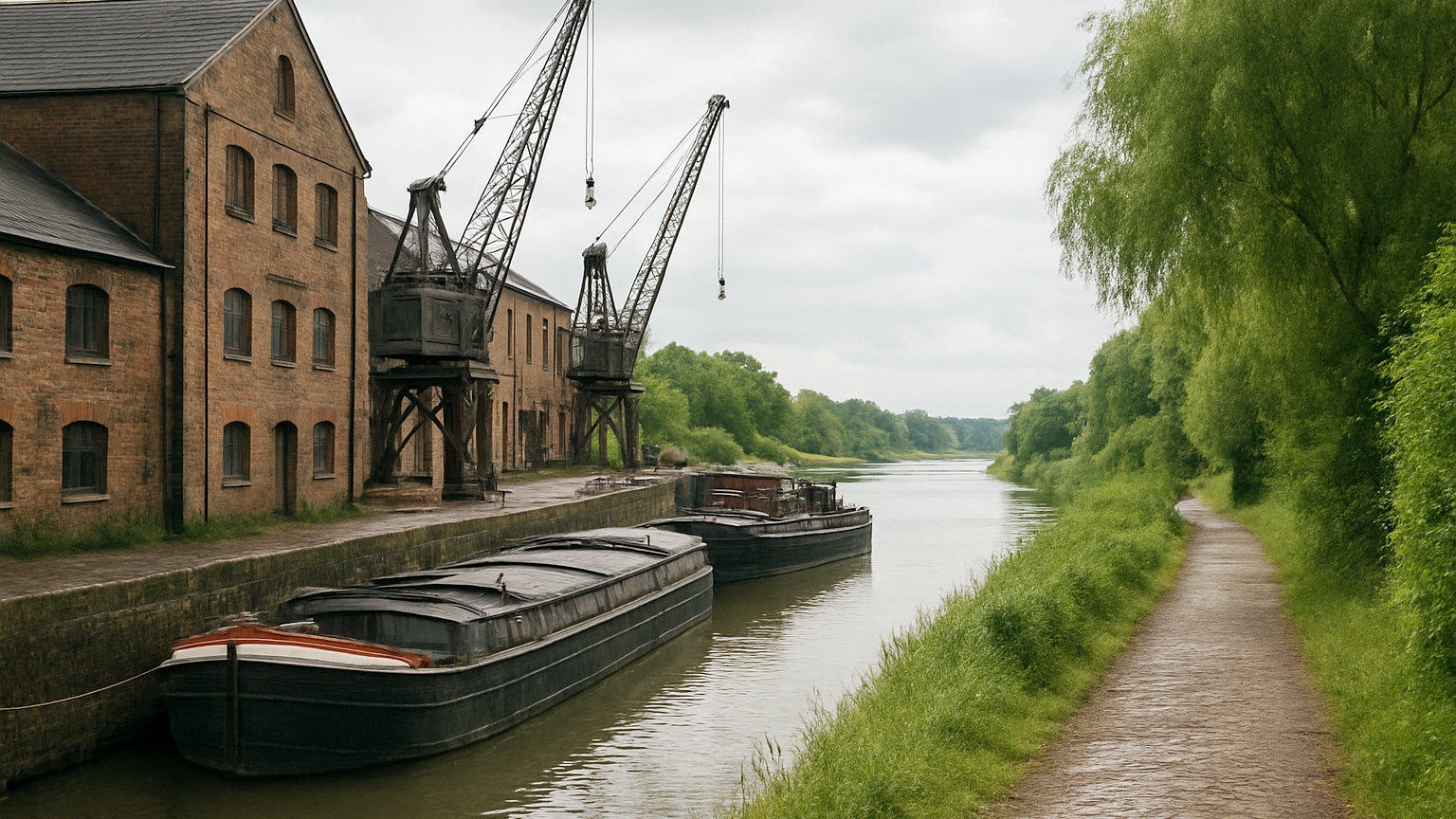
A cathedral with the earliest fan vaulted cloisters in England, Victorian docks holding a waterways museum, and the most complete Dominican priory in Britain.
The cathedral alone justifies a day and is free to enter with a donation.
What is the Severn Bore?
A tidal wave travelling upstream from the estuary on the largest spring tides, reaching a considerable height and surfable for miles.
Timetables are published well in advance, the largest occur around the equinoxes, and viewing points are marked along the river.
Is Cheltenham worth including?
Yes, as a base or a day. It is a Regency spa town with good shopping and restaurants and the Cotswold escarpment on its edge.
Check the festival and race dates, since accommodation across the county fills during the March racing week.
What about Slimbridge?
A wetland reserve on the Severn, the first of its kind, with very large numbers of wintering wildfowl and a substantial collection of waterbirds.
Winter is the time to go, when Bewick's swans and white fronted geese arrive from the north.
Can you do it without a car?
Partly. Trains reach Gloucester, Cheltenham, Stroud, Kemble and Moreton in Marsh, with buses to some Cotswold villages.
The Forest of Dean and the Wye Valley are poorly served and effectively need a car.
When should you go?
Late spring for the Cotswolds before the crowds, and autumn for colour in the Forest and the Wye Valley, which is spectacular in late October.
Winter for Slimbridge and the bore, and for the Cotswold villages entirely to yourself.
Where should you eat?
The county has a strong pub with rooms tradition, several serious restaurants in Cotswold villages and a good market town food scene at Stroud, which holds one of the best farmers markets in England on Saturdays. Cheltenham has the widest choice. Booking at weekends is necessary almost everywhere.
One last practicality: Cotswold village parking is limited and enforced, so use the designated car parks and walk in rather than trying the lanes.
One last point: the three parts of the county are genuinely different, and a week that includes the Forest of Dean as well as the Cotswolds will feel far more varied than one spent entirely among stone villages.