North Yorkshire is the largest county in England and holds a walled medieval city, two national parks with entirely different characters and a coastline of cliffs and fishing towns. A week covers three of the four comfortably and all four only in a rush.
What are the four parts?
York in the middle. The Dales to the west, limestone, green and pastoral. The North York Moors to the north east, heather moorland and wooded valleys. And the coast beyond them.
The Moors and the coast pair naturally, since one runs into the other.
What is the best structure?
Three bases at most: two nights in York, two or three in the Dales and two or three on the Moors or the coast.
York to the Dales is around an hour, York to the coast around ninety minutes, and Dales to coast is a long cross country drive best avoided.
How long do you need in York?
Two nights. The minster, the walls, the Shambles and the railway museum fill two days, and the city is small enough to cover entirely on foot.
Go early in the morning for the streets, which are congested from mid morning through the afternoon in season.
Where should you base in the Dales?
Grassington or Malham for the southern dales, Hawes or Reeth for Wensleydale and Swaledale, and Settle for the western side and the railway.
Pick one dale and walk from the door rather than driving between several, which involves high passes and takes longer than expected.
Where should you base on the coast?
Whitby for the abbey, the harbour and the moors behind. Scarborough for a larger town with more choice. Robin Hood's Bay for a village of steep alleys.
All three give access to the Cleveland Way along the cliffs and to the North York Moors immediately inland.
What should you not miss?
Malham Cove and the limestone pavement, the Ribblehead viaduct, Fountains Abbey with its water garden, and the moors in August when the heather is out.
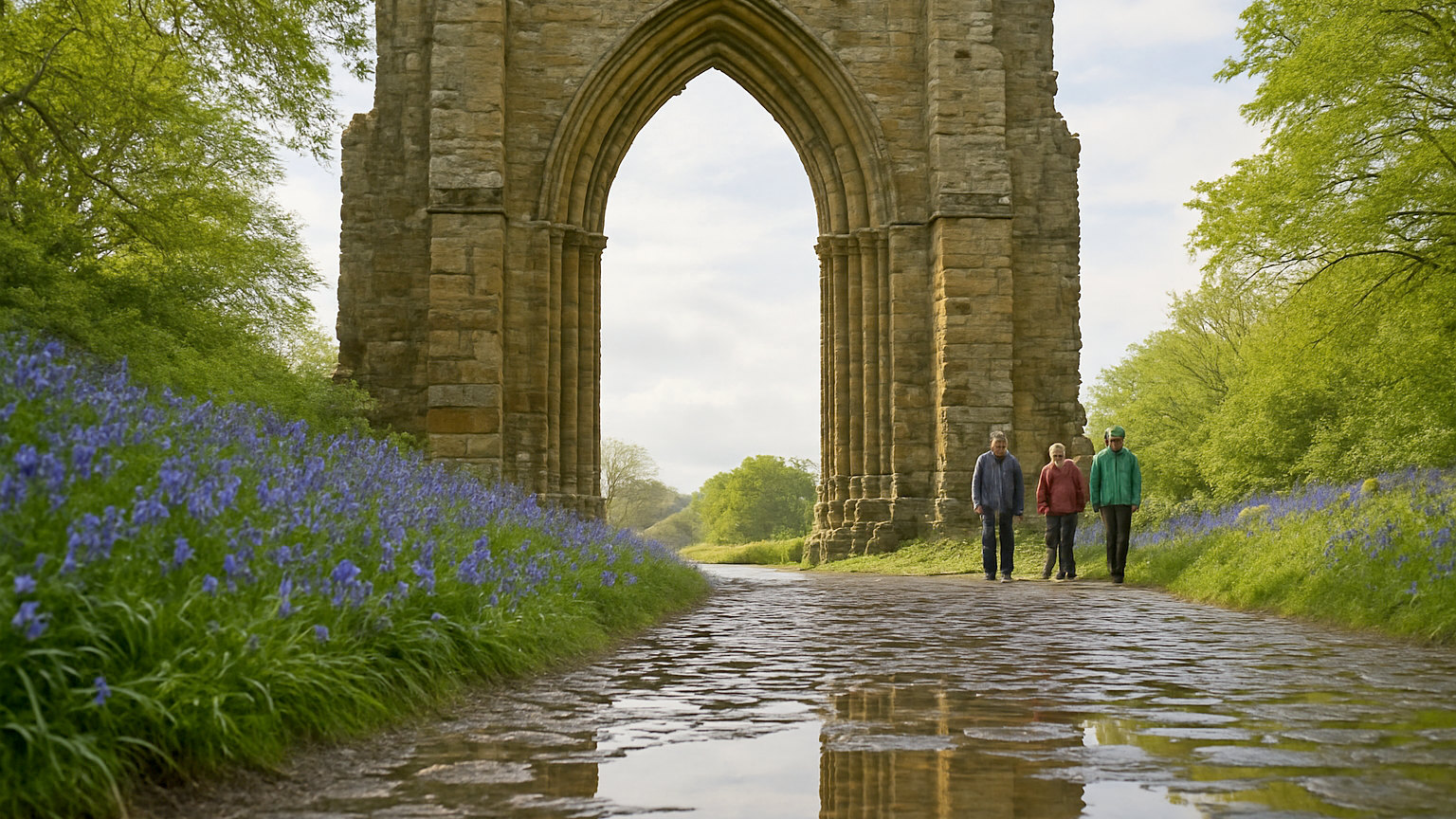
Rievaulx and Byland abbeys on the southern edge of the Moors, both substantial ruins in quiet valleys.
Can you do it by train?
A surprising amount. York is a major hub, the Settle to Carlisle line runs through the Dales, and branches reach Whitby, Scarborough and Harrogate.
The North Yorkshire Moors Railway connects Pickering to Whitby, which links the moors and the coast without a car.
What about the driving?
Slow across the moors and the dales, with single track sections, high passes and heavy summer traffic on the coast roads.
Add a third to any estimate and considerably more on a summer weekend.
When should you go?
Late spring for hay meadows in the Dales, August for the heather on the Moors, and September for the coast with warm sea and fewer people.
Winter suits York well and makes the moors and coast dramatic and empty.
What should you book?
York accommodation ahead at any time, since the city is busy year round. Dales and coast accommodation for summer and school holidays.
Some attractions use timed entry, and the steam railway sells out on peak dates.
What is the best week?
Two nights in York, three in Swaledale or Wensleydale and two in Whitby, in late September.
That gives a city, a dale walked properly and a coast without any drive longer than ninety minutes.
Where else could you base?
Harrogate and Ripon both sit between York and the Dales, with Fountains Abbey nearby, and both are cheaper than York. Northallerton and Thirsk are handy for the Moors. Anywhere on the A1 corridor gives fast access north and south, which matters if you are combining Yorkshire with somewhere else.
One final practicality: parking in York is expensive and the centre is largely pedestrianised, so use the park and ride sites on the ring road rather than driving in.
One final point: the county is genuinely large, and the drive from the western dales to the coast crosses the whole of it. Treat the Dales and the coast as two separate trips rather than two halves of one week if you have the option.