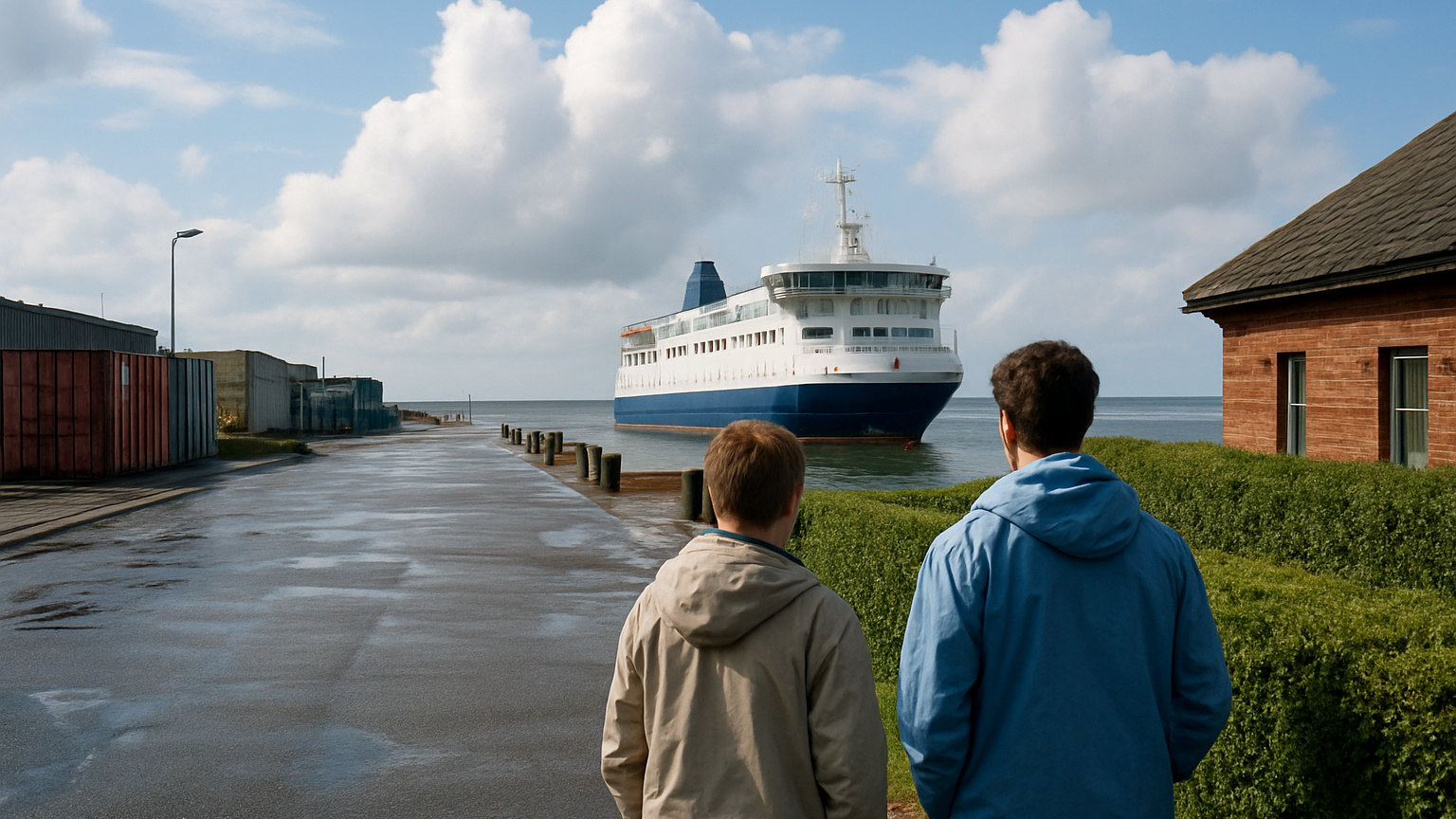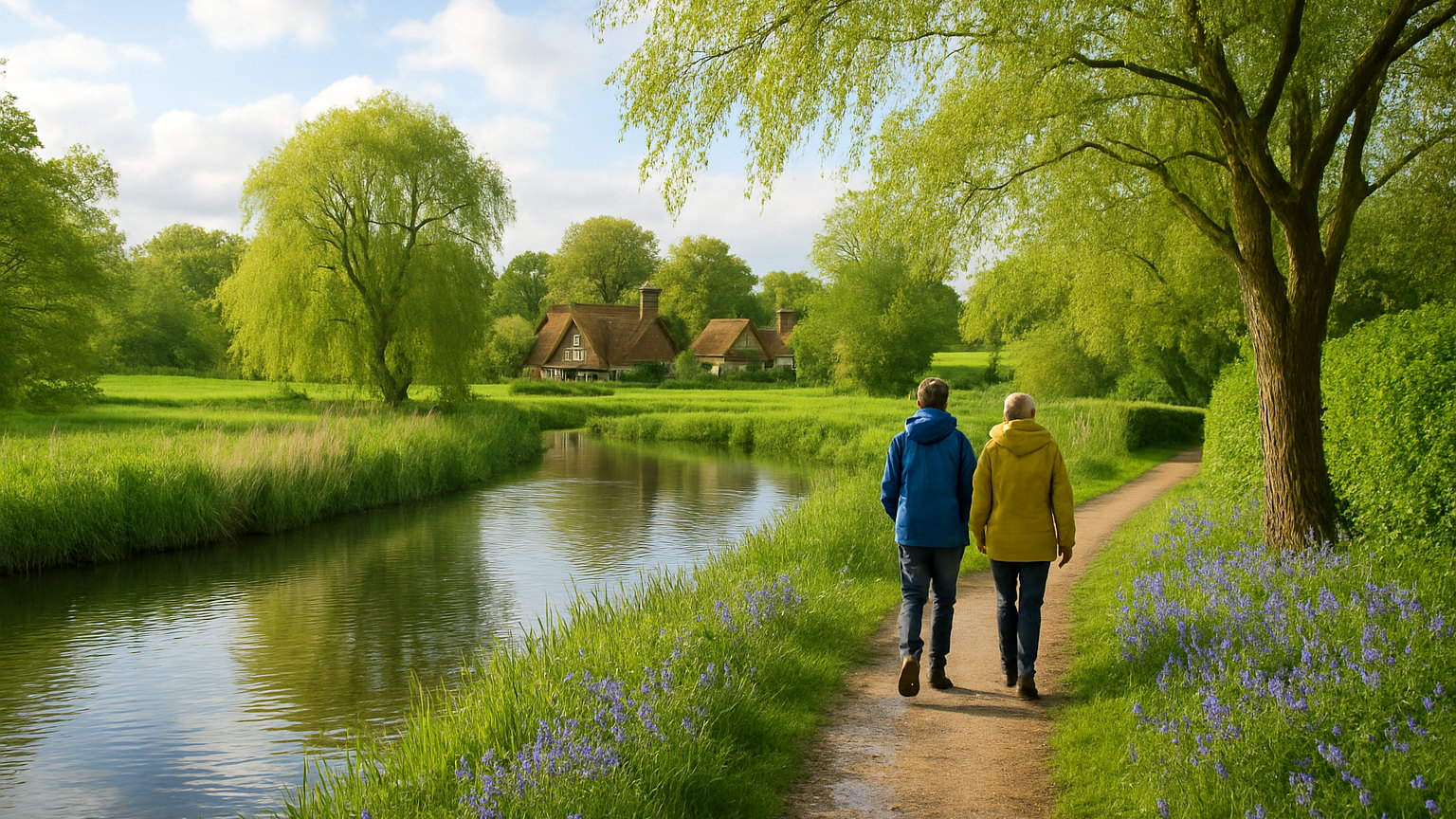
Suffolk is flat, quiet and slow to cross, with no motorway and a coast that is reached down dead end roads. That combination has kept it as it is, and a week here is more about settling than covering ground.
What are the three parts?
The coast, a strip of shingle beaches, marshes and small towns. The wool villages inland to the south, timber framed and remarkably preserved. And the Brecks in the north west, heath and pine forest.
Bury St Edmunds and Ipswich are the towns, and Sutton Hoo sits between the coast and the county town.
What is the coast like?
Shingle rather than sand in most places, with reedbeds and marshes behind, and towns that are small and self contained.
Southwold has a pier, a lighthouse in the middle of the town and beach huts. Aldeburgh has a shingle beach and a strong musical history. Dunwich is what remains of a medieval town lost to the sea.
What is Sutton Hoo?
An Anglo Saxon burial ground where a ship burial excavated in 1939 produced grave goods of extraordinary quality, including a helmet that became an icon of the period.
The originals are in the British Museum and replicas and interpretation are on site, with the mounds themselves and a viewing tower over them.
Which wool villages should you see?
Lavenham above all, where the medieval cloth trade left a village of leaning timber framed houses and a church of cathedral proportions.
Kersey, Long Melford, Cavendish and Clare are all within a short drive and none is crowded.
What is Constable country?
The Stour valley on the Essex border, where John Constable grew up and painted, including the mill and the cottage that appear in his best known works.
Flatford is managed by a conservation charity and the scenes are recognisable from the paintings, which is a rare thing.
What is at Orford?
A twelfth century castle keep of unusual polygonal design, and across the river a shingle spit that was a secret military test site for decades and is now a nature reserve reached by boat.
The spit is bleak, strange and unlike anywhere else, and access is limited and weather dependent.
What about music?
Aldeburgh has an international reputation through the festival founded by Benjamin Britten, held each June with concerts at a converted maltings a few miles inland.
Programmes run through the year and the setting on the marshes is exceptional.
Where should you base yourself?
Two bases: one on the coast at Southwold, Aldeburgh or Orford, and one inland at Lavenham, Long Melford or Bury St Edmunds.
The county is small enough that neither drive exceeds an hour.
Can you do it without a car?
With difficulty. Trains reach Ipswich, Bury, Woodbridge and Lowestoft, with a branch to Saxmundham for the coast, but the villages and the coastal towns need buses that are infrequent.
Cycling suits the county well, being flat, and several routes are waymarked.
When should you go?
Late spring and early autumn. Suffolk is among the driest counties in Britain and June is reliably good.
The coast is busy in August in the popular towns and empty everywhere else, and winter is very quiet with some closures.
What is the best week?
Four nights on the coast and three around Lavenham, in early June, with Sutton Hoo and Flatford as day trips.
That covers everything the county does well without a single long drive.
What about the Brecks?
An area of sandy heath and pine forest in the north west, unlike anywhere else in England, with unusual plants and insects and a distinctive light. Thetford Forest covers much of it with cycling and walking trails, and the area holds a substantial population of stone curlew, a scarce bird that arrives in spring.
One last note: Suffolk has no motorway and the A roads are slow in summer, so allow more time than the distances suggest, particularly reaching the coast.
What should you eat?
Suffolk cured pork and bacon, oysters from Orford and the Butley creek, and fish landed at Aldeburgh and sold from huts on the shingle. The county has a strong brewing tradition and a good number of village pubs cooking properly, which is where most of the best eating happens.