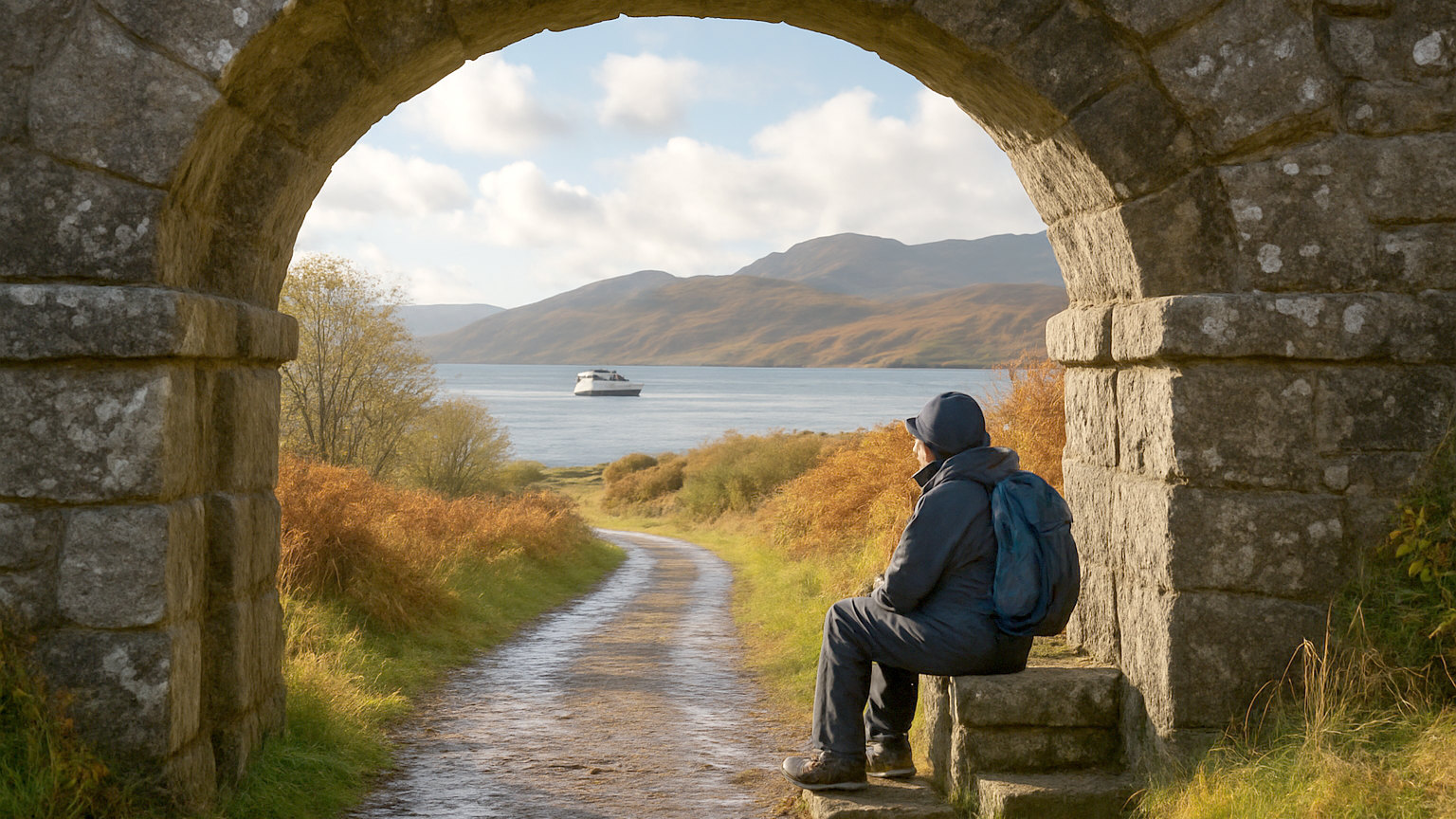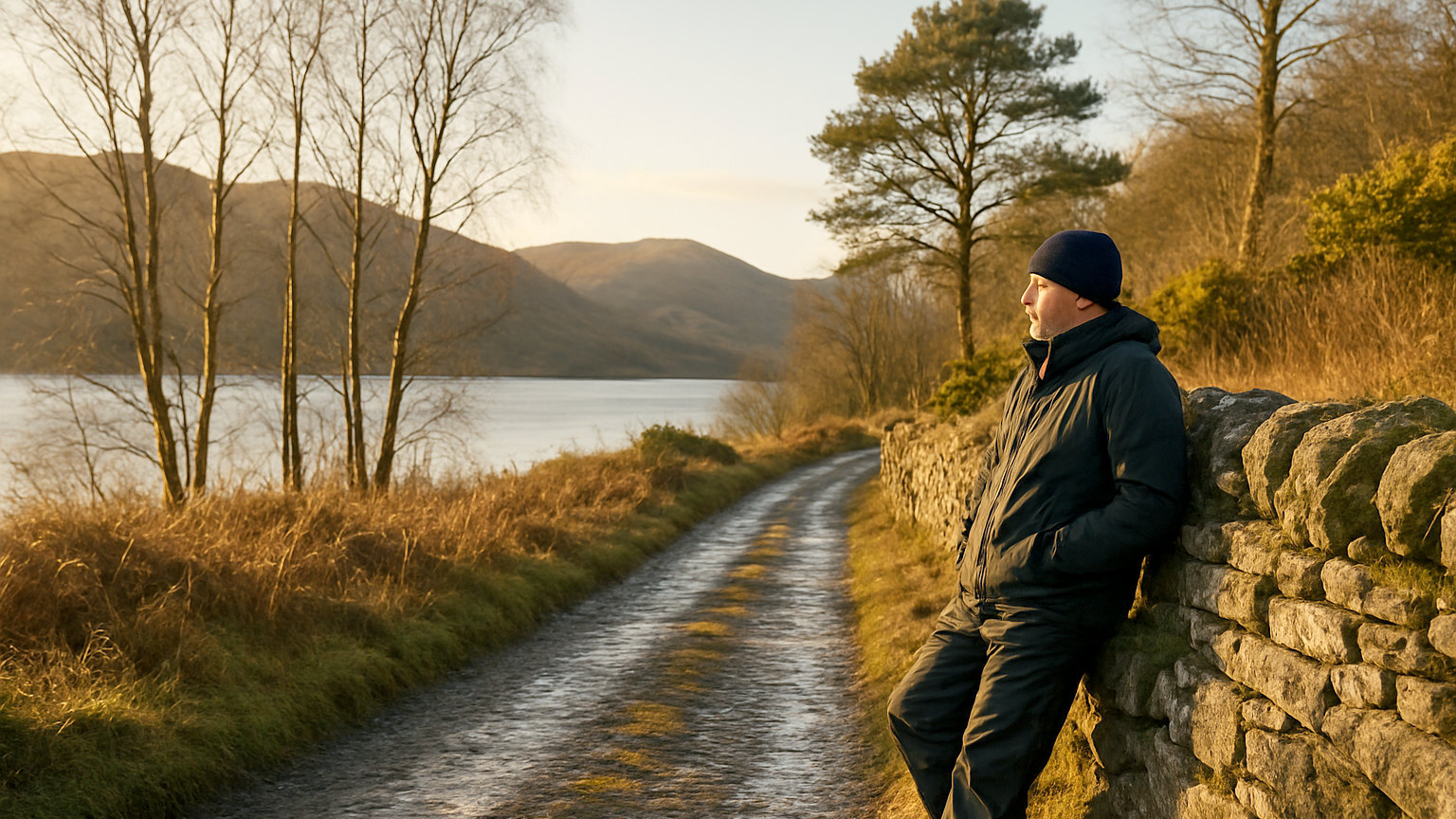
Britain sits far enough north that daylight varies more across the year than most visitors expect, and the variation increases with latitude. It is the single most predictable planning factor available, published years ahead, and the one people most often overlook.
How much daylight is there in summer?
In the south, around sixteen and a half hours around the solstice, with light in the sky beyond that. In Edinburgh, over seventeen. In Shetland, close to nineteen, and the sky never fully darkens.
The practical effect is that a June day in Scotland holds two full days of activity, with light enough to walk at ten in the evening.
How much is there in winter?
Around eight hours in southern England, under seven in Edinburgh and under six in Shetland. Sunset in late December is before four in much of the country and earlier still in the north.
That leaves one usable block of daylight, which changes what a day can contain and makes touring itineraries considerably harder.
When do the clocks change?
Forward one hour at the end of March and back at the end of October, shifting daylight from the morning to the evening for the summer months.
The October change is abrupt in effect, since afternoons suddenly end an hour earlier. Anyone travelling across that weekend should check their timings, particularly for anything outdoors.
Why does latitude matter so much?
Because the further from the equator, the greater the seasonal swing. Britain spans a considerable range, from the Channel Islands to Shetland, which is further north than parts of Alaska.
A midsummer trip to the far north gives light that southern visitors find genuinely disorienting; a midwinter trip gives very little.
What is the simmer dim?
The northern midsummer twilight, when the sun barely dips below the horizon and true darkness does not occur. In Shetland and Orkney there is enough light to read outdoors at midnight.
It is one of the more remarkable experiences available in Britain and is the reason to visit the northern isles in June rather than any other month.
How does this affect stargazing?
Completely. Astronomical darkness disappears in the north for weeks around midsummer, which means the northern lights and the Milky Way are simply not visible then regardless of conditions.
Dark sky trips therefore run from autumn to early spring, which is the opposite of the general travel season.
How should it change a winter itinerary?
One substantial activity a day rather than two or three, started early. Long drives become night drives, which on rural roads are slow and tiring.
Build the day around the daylight and the evening around somewhere comfortable indoors, which is why accommodation quality matters more in winter.
What does it mean for walkers?
That a route perfectly reasonable in June is a serious undertaking in December. Always carry a head torch, calculate finishing times from actual sunset rather than optimism, and add a margin.
Mountain rescue teams see a rise in callouts in autumn from walkers caught out by the earlier dark rather than by weather.
When is the light best?
Spring and autumn, when the sun stays low and the quality is far better than the flat overhead light of midsummer. Photographers consistently prefer October to July.
Winter offers the lowest light of all, with long shadows throughout the day, at the cost of having very little of it.
How should you use this in planning?
Look up sunrise and sunset for your actual dates and location before booking, since they are fixed and knowable. Then decide how many hours the day genuinely holds.
It is the one weather related factor that can be planned around with certainty, and almost nobody does it.
What about sunrise times?
Worth checking as well as sunset, since the summer clock shift moves light into the evening and makes early mornings darker than expected. In late March, sunrise in Scotland is after seven, which matters for anyone planning a long hill day. Photographers and wildlife watchers work from sunrise times rather than sunset ones, and both are published for any location.