Britain has a maritime climate, which means mild winters, cool summers and weather that changes several times a day rather than settling into seasons. The month by month picture is less dramatic than most countries and more variable within any given week.
What are January and February like?
Cold by British standards, wet, windy and dark, with under eight hours of daylight in the south and less further north. Temperatures usually hover a few degrees above freezing rather than well below it.
Snow falls in the hills regularly and in the lowlands occasionally, causing disruption out of proportion to the amount. These are the cheapest and emptiest months to travel.
What about March and April?
Improving quickly. Daylight lengthens noticeably, the clocks go forward at the end of March adding an hour to the evening, and spring flowers appear from February in the south.
April is famously showery and can produce warmth, frost, hail and sunshine in a single day. Gardens and woodland are at their best from mid April.
Which months are driest?
April, May and June, which surprises visitors who assume high summer is driest. This is the most settled part of the year across most of Britain.
May and June combine the driest weather with the longest daylight, which is why experienced travellers consistently recommend them over July and August.
What is summer actually like?
Warm rather than hot, with typical daytime temperatures in the high teens and low twenties and occasional spells well above that. Genuine heatwaves occur but are not the norm.
July and August are wetter than June, busier and more expensive. Evenings are long, particularly in Scotland, where midsummer light lasts until well after ten.
What about September and October?
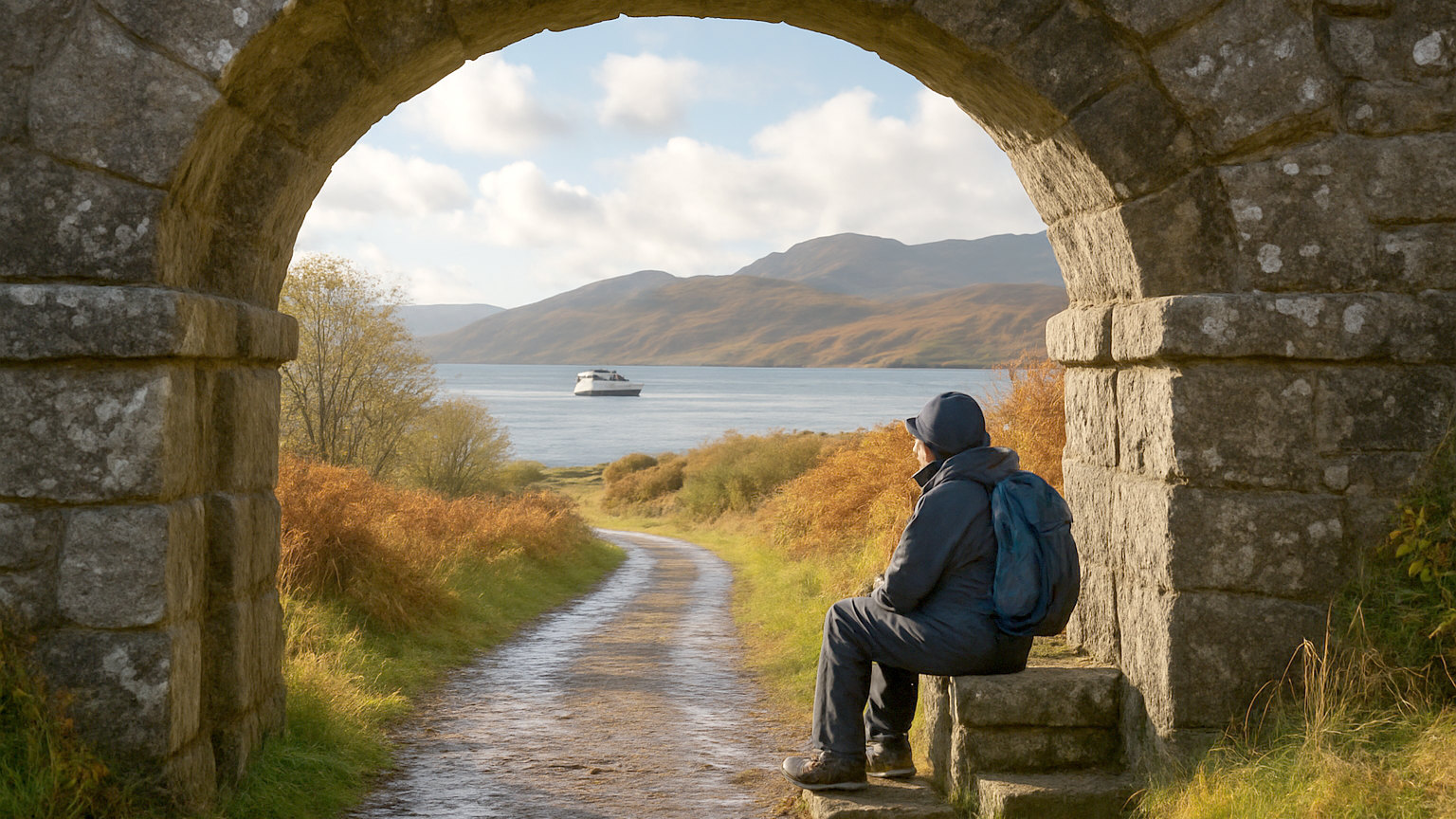
September is frequently the best month of the year: warm sea, settled weather, autumn light and empty beaches once the schools return. October brings colour, shortening days and the first storms.
The clocks go back at the end of October, which makes afternoons abruptly dark and changes how much a day holds.
What are November and December like?
Wet, dark and often stormy, with the shortest days of the year around the solstice. Christmas is a busy and expensive fortnight; the rest of November and early December are quiet and cheap.
Frost and fog are common inland, and the coast stays milder than the interior.
How much does it actually rain?
Less than the reputation suggests in annual totals, and on more days. Several British cities receive less annual rainfall than Rome or New York, but spread across far more days of light rain.
That is the essential character: frequent, light and brief rather than heavy and prolonged, which is why waterproofs matter more than shelter.
How much does it vary by region?
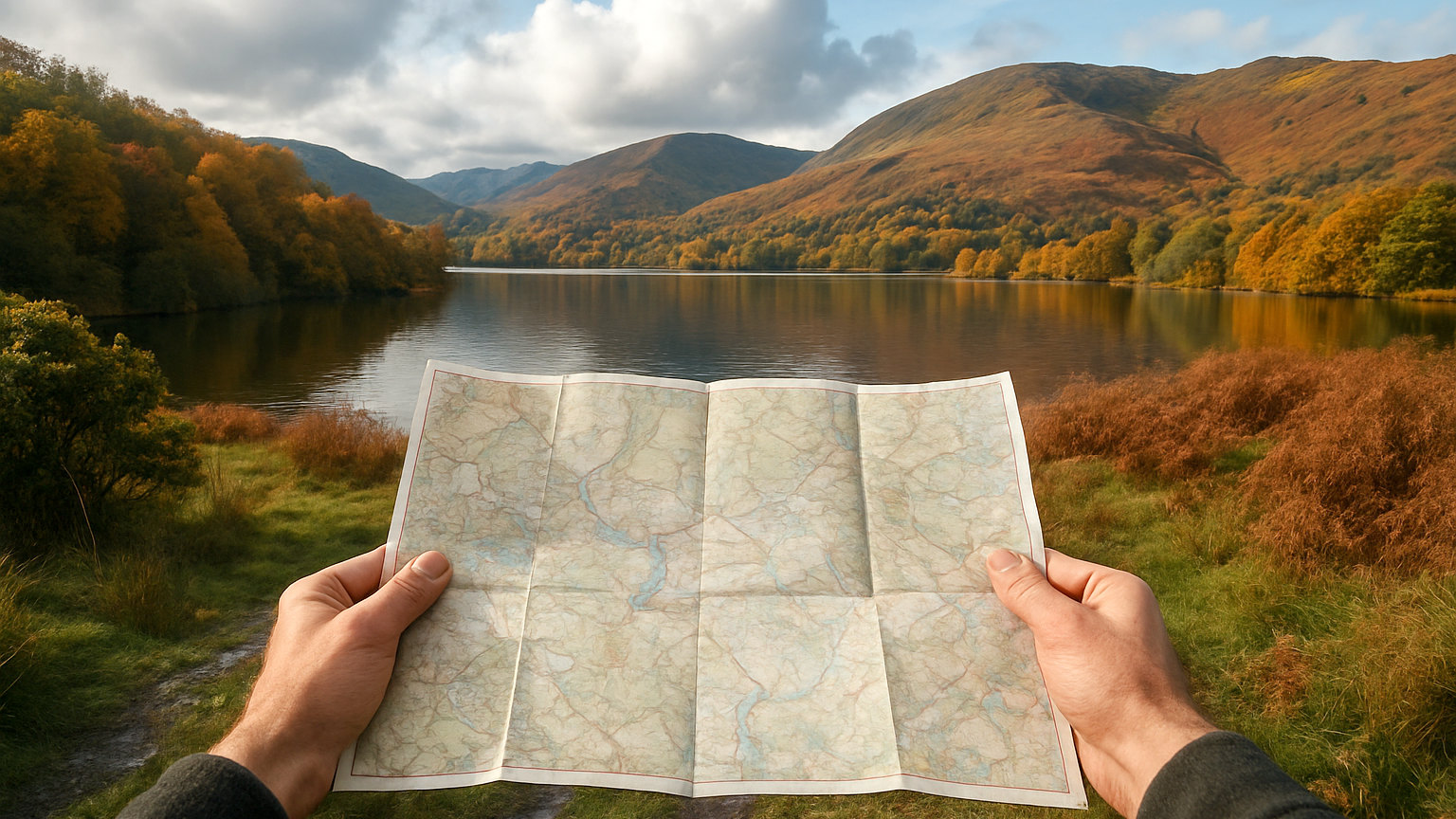
Enormously. The west and the uplands are several times wetter than the east, and the driest parts of eastern England receive around a fifth of the rainfall of the wettest parts of Cumbria.
A poor forecast for one side of the country frequently does not apply to the other.
Are temperatures extreme?
Rarely. Most of Britain sits within a narrow band, seldom dropping far below freezing or rising above the high twenties, moderated by the surrounding sea.
Records at both ends have been set in recent years, and heat in particular is becoming a more regular feature, which buildings here are poorly designed for.
Which month should you choose?
May, June or September for the best combination of weather, daylight and manageable crowds. October for colour and value. January and February for the lowest prices and an empty country.
July and August only if school holidays require it, since they are the busiest, most expensive and not the driest months of the year.
What is the most useful thing to remember?
That the month tells you far less than the region and the day. Rainfall in the west can be several times that in the east in the same week, and any British month can produce a warm settled spell or a wet one. Plan for the average, pack for the range, and check the forecast on the morning rather than committing weeks ahead.