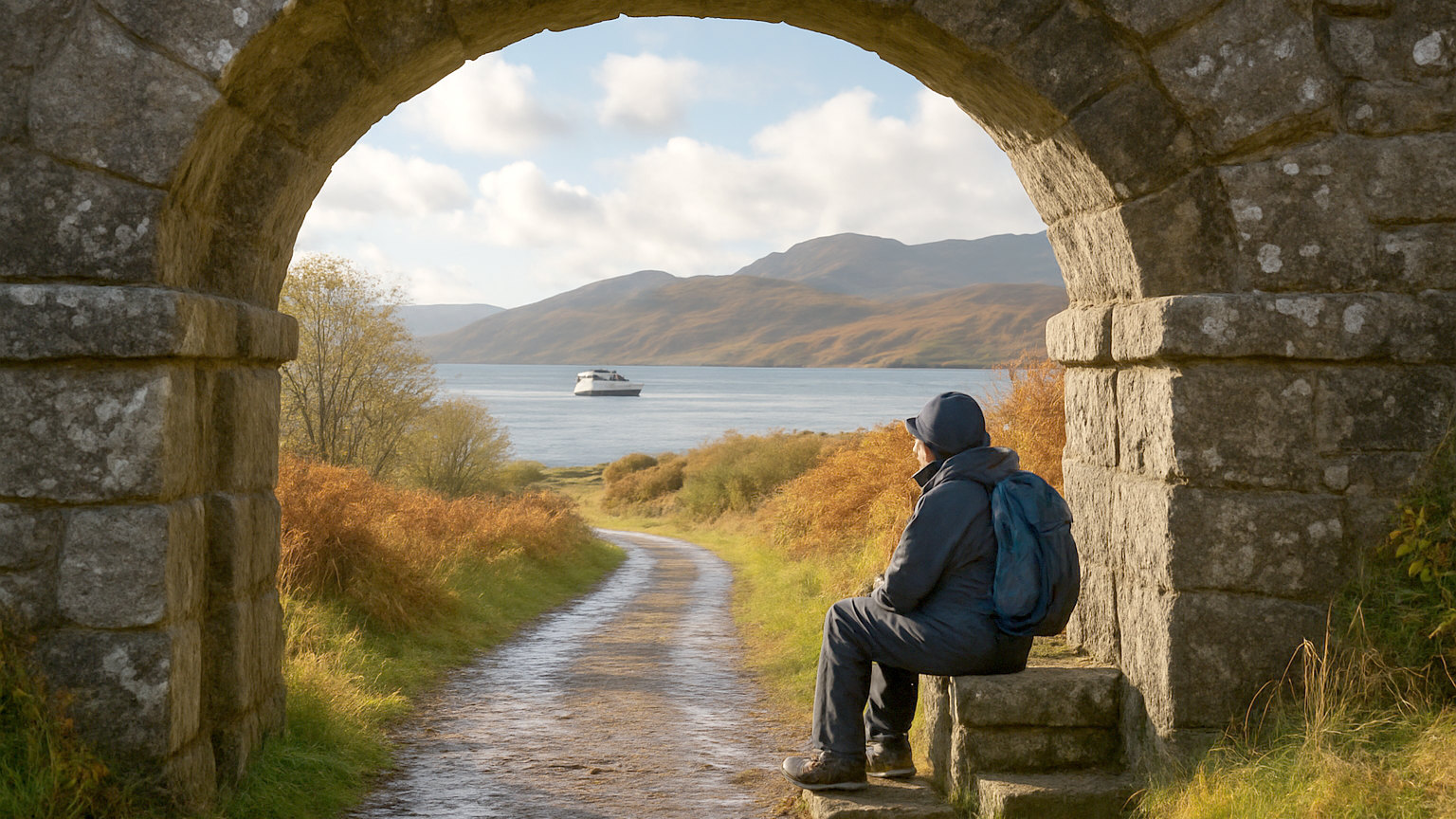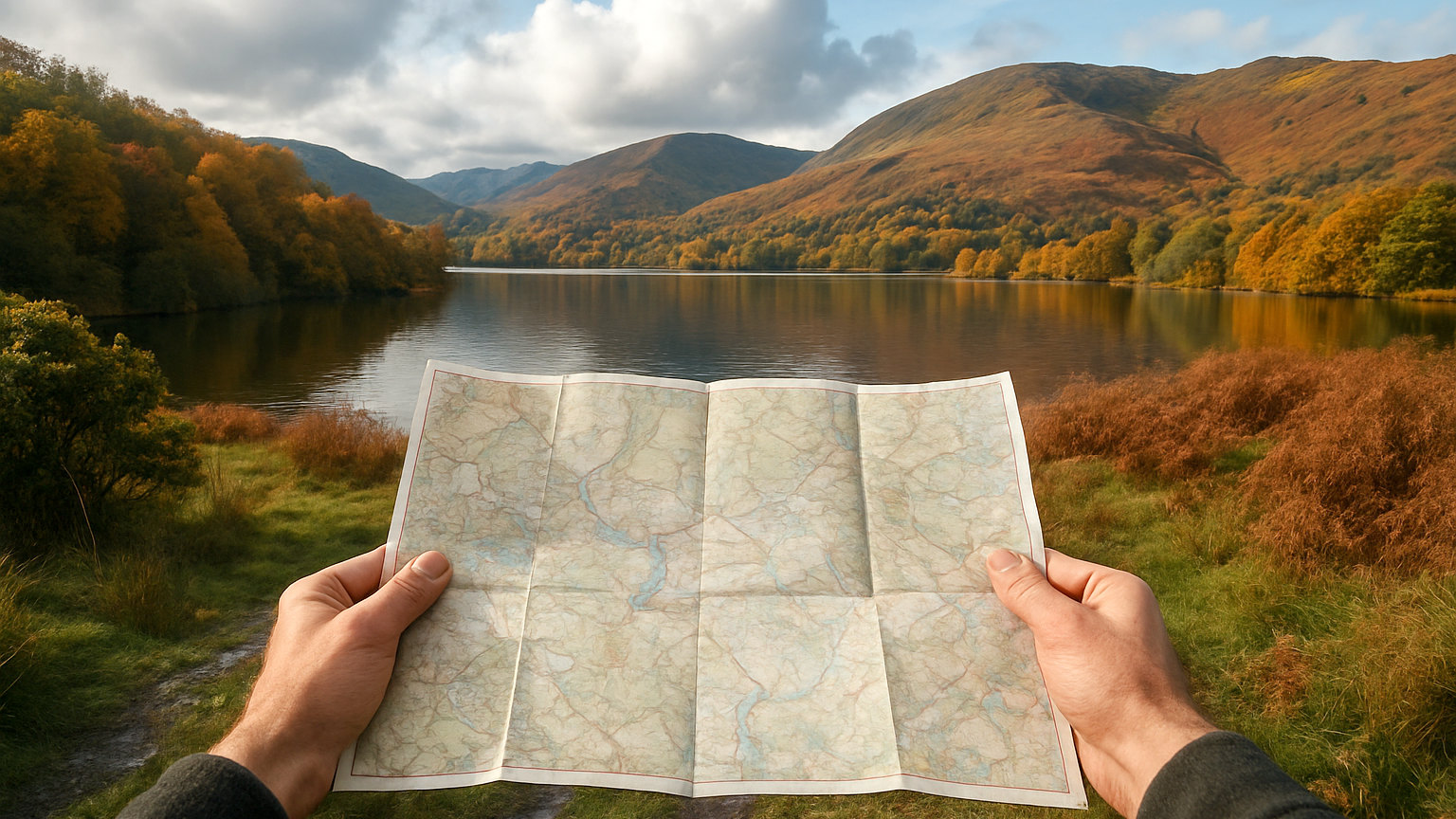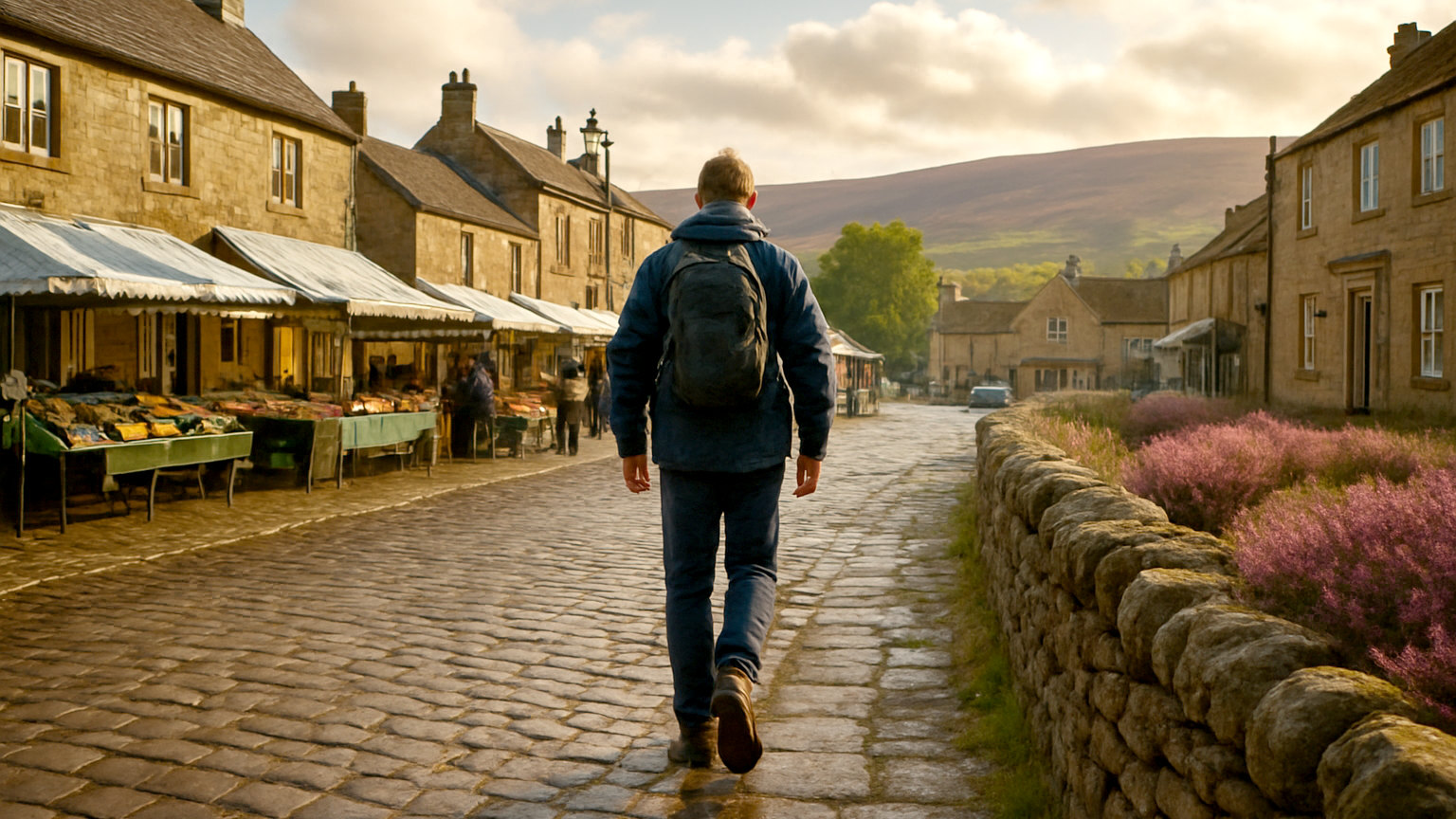
A British winter is rarely severe and consistently uncomfortable, which is a different problem from packing for genuine cold. Temperatures hover a few degrees above freezing, the air is damp, the wind is constant and the daylight is short, and all four shape what to take.
Why is damp cold different?
Because moist air conducts heat away from the body far more effectively than dry air, so five degrees in Britain feels colder than considerably lower temperatures in a dry continental climate.
The implication is that windproof and waterproof layers matter more than heavy insulation, and that staying dry is the priority rather than staying warm.
What should you wear?
Layers, with a base layer that is not cotton, a warm mid layer and a waterproof windproof shell. A hat, since a large proportion of heat is lost from an uncovered head in wind.
Gloves, and ideally two pairs so one can dry. A scarf or neck gaiter, which makes a disproportionate difference in wind.
What footwear works?
Waterproof, with grip. British winter ground is mud, wet stone and occasional ice rather than deep snow, and the failure mode is wet feet rather than frozen ones.
Wellingtons for lowland mud and boots with a decent sole for anything uneven. Smooth soled shoes on wet cobbles and stone steps are the most common cause of winter falls.
What do the short days mean?
That a head torch is essential rather than optional, even for a walk you expect to finish in daylight. Sunset before four in December leaves very little margin.
It also means planning one substantial activity a day rather than several, and doing anything outdoors in the morning.
What should you take for driving?
A torch, warm clothing kept in the car rather than the boot, something to eat and drink, a phone charger and a scraper. Rural roads are frequently untreated and recovery can be slow.
Check road conditions rather than only the forecast before crossing high ground, since upland routes close first in snow and ice.
What about indoor conditions?
Older British buildings are frequently cold and draughty, and heating in self catering properties may be metered or slow to work. Ask how a rural property is heated before booking a winter stay.
Take something warm to wear indoors and thick socks, which sound trivial and materially improve a week in a stone cottage.
What else changes from summer?
Attraction opening, since many houses and smaller sites close entirely from November to March and others run reduced hours. Rural pubs frequently close early in the week.
Check what is actually open before building a winter itinerary, since the difference from summer is substantial.
What is worth taking that people forget?
A dry bag or spare plastic bag for wet gloves and hats. A thermos, which turns a cold viewpoint into somewhere you can linger. Lip balm and moisturiser, since wind and indoor heating both dry skin.
A power bank, because cold reduces battery capacity substantially and phones fail faster than expected.
Is winter travel worth it?
Very. Prices fall, crowds disappear, ruins and coastlines look better under low light, and wildlife including wintering birds and seal pups is at its most visible.
The trade off is entirely daylight rather than weather, since a mild wet British winter is perfectly workable with the right clothing.
What is the minimum kit?
Waterproof jacket and trousers, warm mid layer, non cotton base layers, hat, gloves, waterproof boots and a head torch. That covers almost any British winter trip.
Everything else is comfort, and none of it substitutes for those seven items.
What about the islands and the far north?
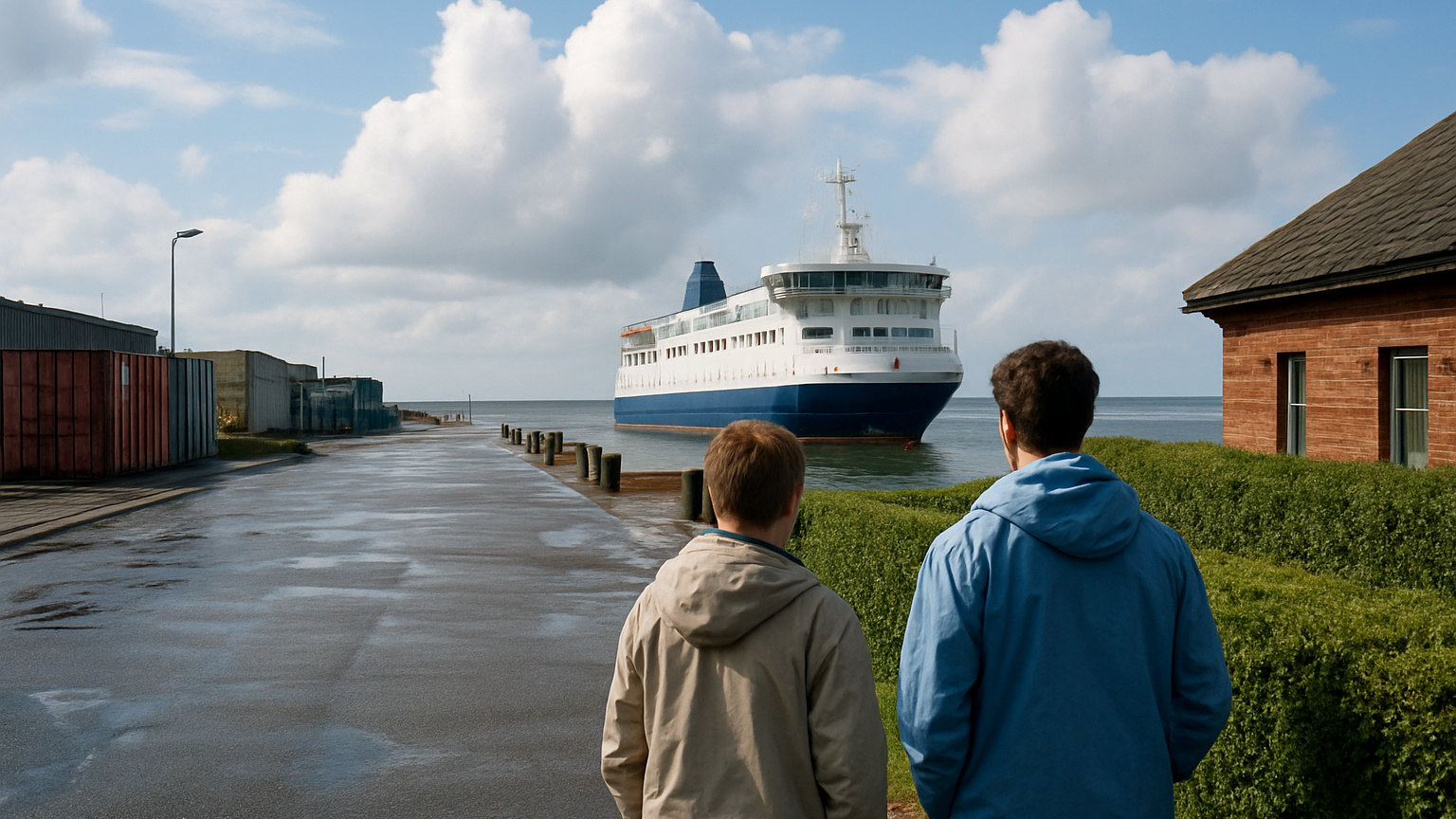
Different again. Shetland, Orkney and the Hebrides are windier rather than colder, moderated by the sea, and the practical problem is horizontal rain and gales rather than frost. Ferry cancellations are common in winter and can strand travellers for a day or more, so build slack into any island itinerary and do not plan a tight onward connection.